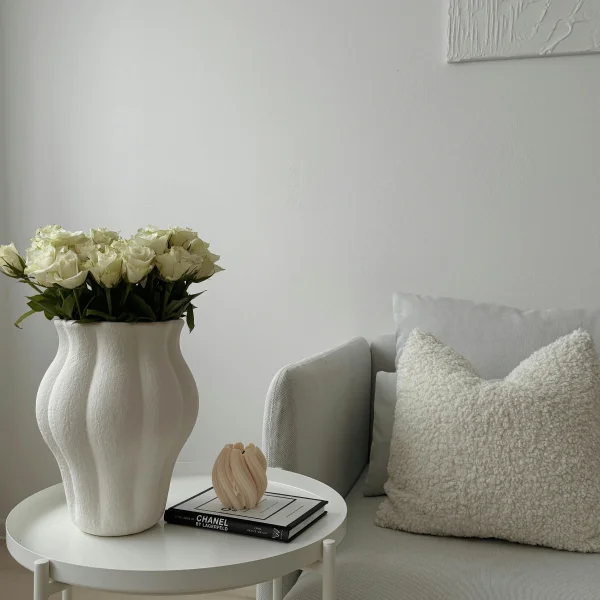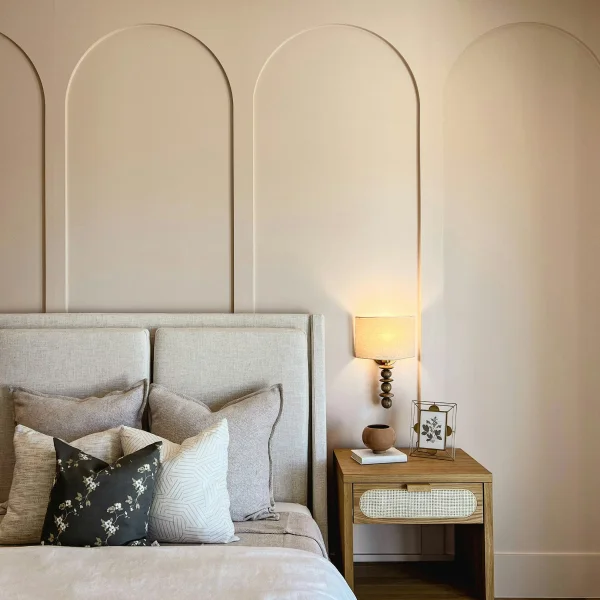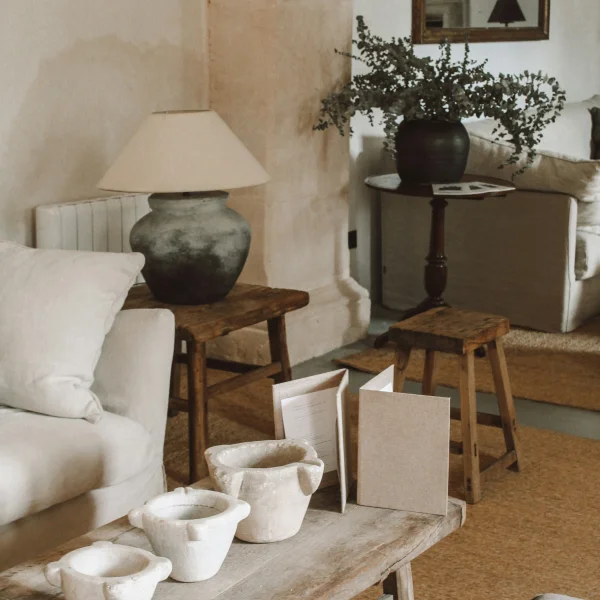
Wabi-sabi is the Japanese philosophy of beauty in imperfection — and the most misunderstood home decor aesthetic going. Here’s what it actually is, and how to bring it into your home.
It’s also the most frequently misapplied aesthetic in Western home decor. Wabi-sabi isn’t a style you purchase your way into. It’s a quality of attention — the decision to notice and value the things that time and use have changed.
What Wabi-Sabi Actually Looks Like
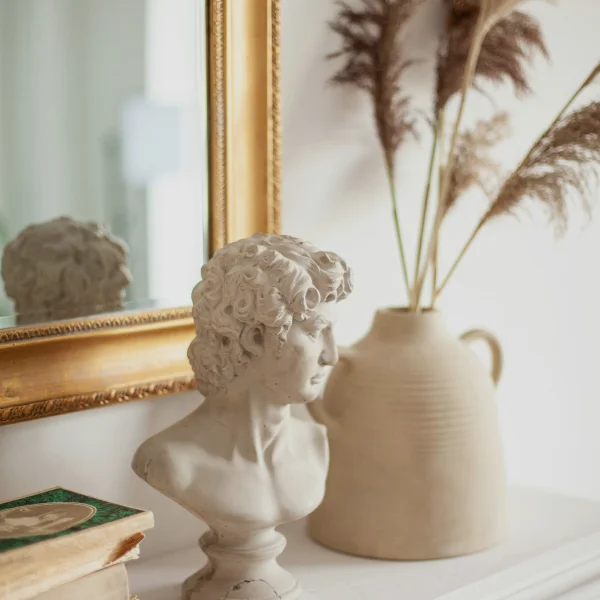
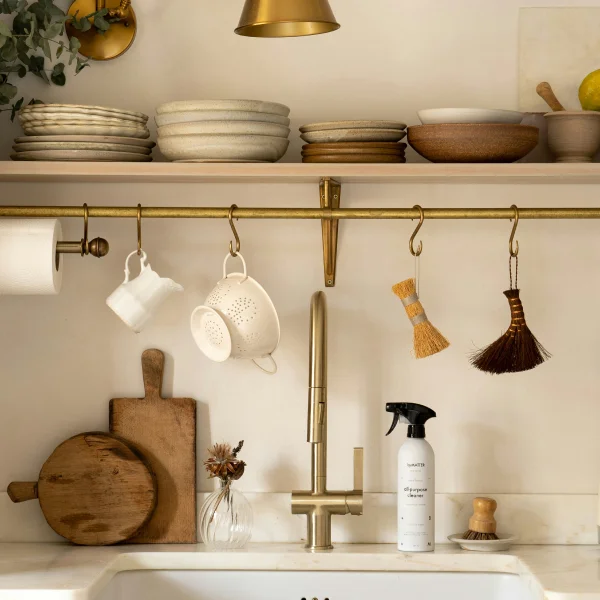
The objects with wabi-sabi quality: handmade ceramics with irregular glaze, worn wooden surfaces that show grain and patina, linen washed enough times to have lost its crispness. Natural materials that age honestly — not synthetic versions of organic materials but the actual things.
The Ceramics: Start Here
The most accessible entry point. Handmade stoneware in earthy glazes — with the subtle variations that come from hand-throwing and wood or gas firing — carries the quality directly. Etsy is genuinely the right place: search wabi-sabi pottery and you’ll find hundreds of studio potters making exactly this work — irregular vases in earthy brown-black glazes, rice bowls with natural ash glaze, pinched stoneware with fingerprints still visible. Prices from $30 to $150+.
What to look for: hand-throwing, stoneware or earthenware (not porcelain), natural ash or iron glaze, and descriptions that acknowledge variation between pieces as a feature rather than apologizing for it.
The Wallpaper: Organic and Alive
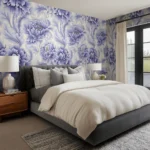
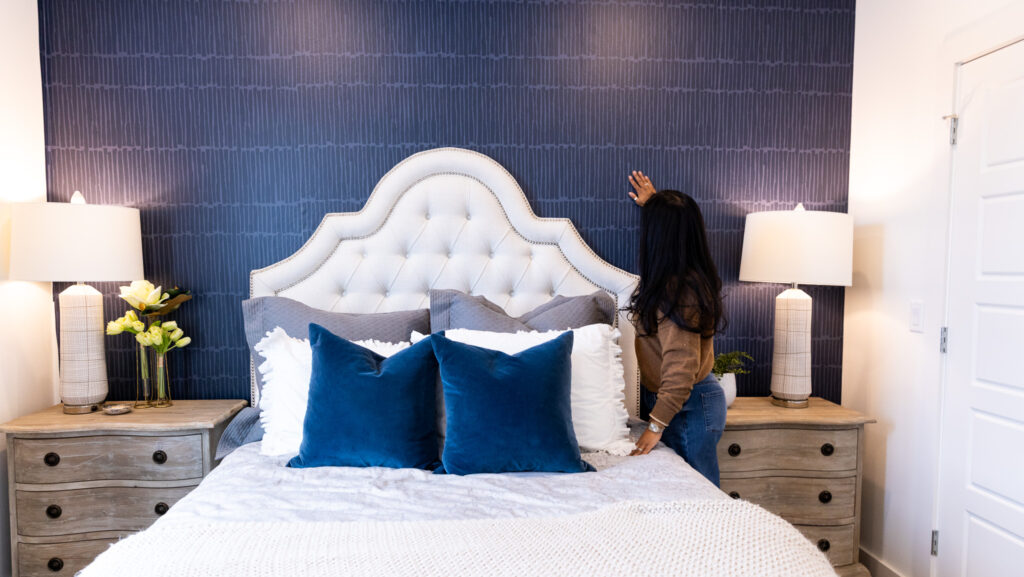
Wabi-sabi rooms resist perfect surfaces. Wallpaper, if it’s in the room, should have the qualities the philosophy values: organic form, natural reference, visual complexity that rewards close inspection.
Painted Paper’s Hawthorne — a wild, naturalistic botanical with the quality of something found in a field guide — creates a wall surface with genuine organic character. The pattern feels discovered rather than designed.

→ Painted Paper Hawthorne Wallpaper
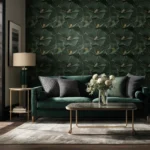
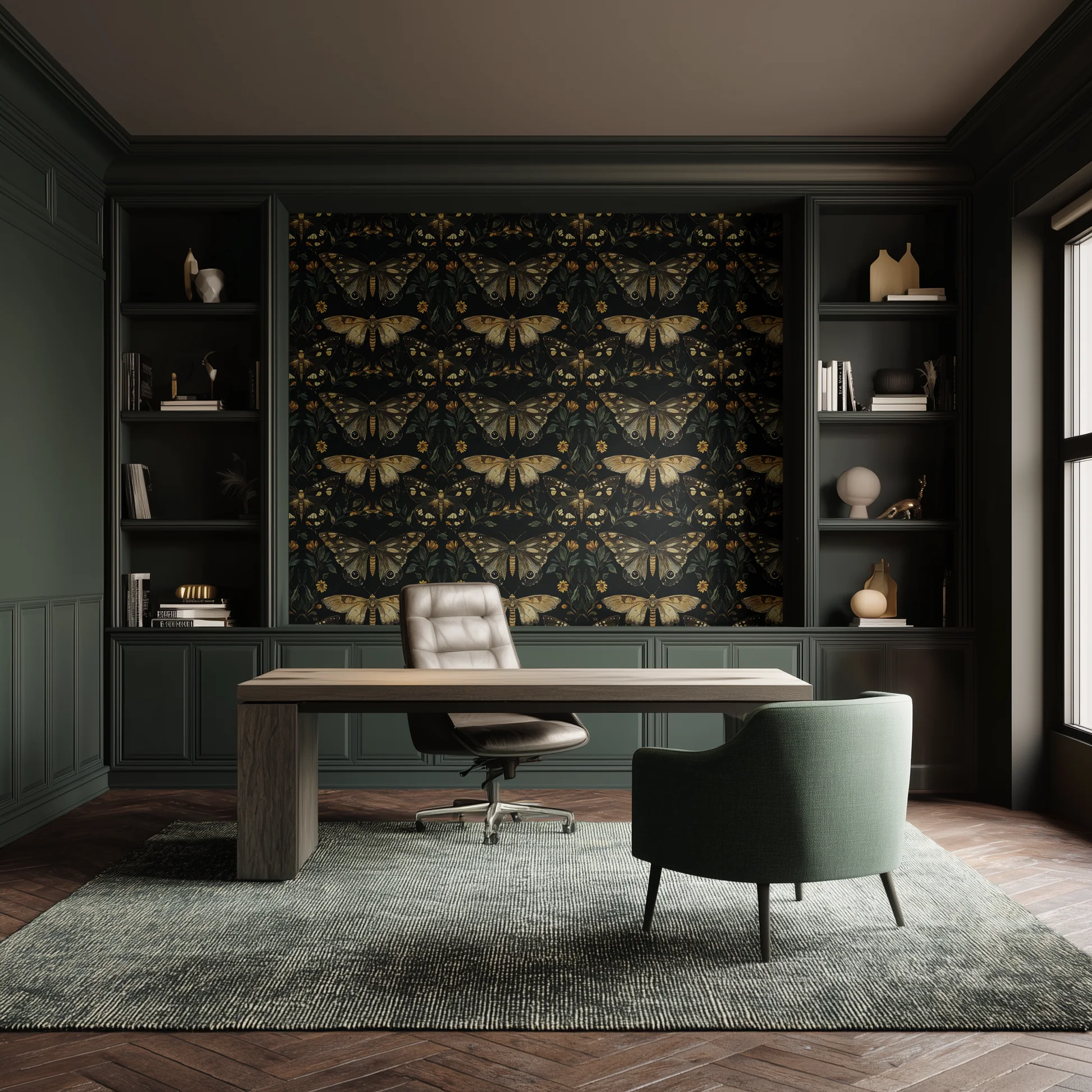
For something darker and more complex: Painted Paper’s Morrigan Moths — moths and botanical elements in deep, layered tones — has the quality of a specimen cabinet come to life. Particular, collected, earned.

→ Painted Paper Morrigan Moths Wallpaper
For a warm, woodland quality: Painted Paper’s Tiki Fig — lush fig botanical with deep tropical presence — creates a wall that feels like it grew rather than was hung.

→ Painted Paper Tiki Fig Wallpaper
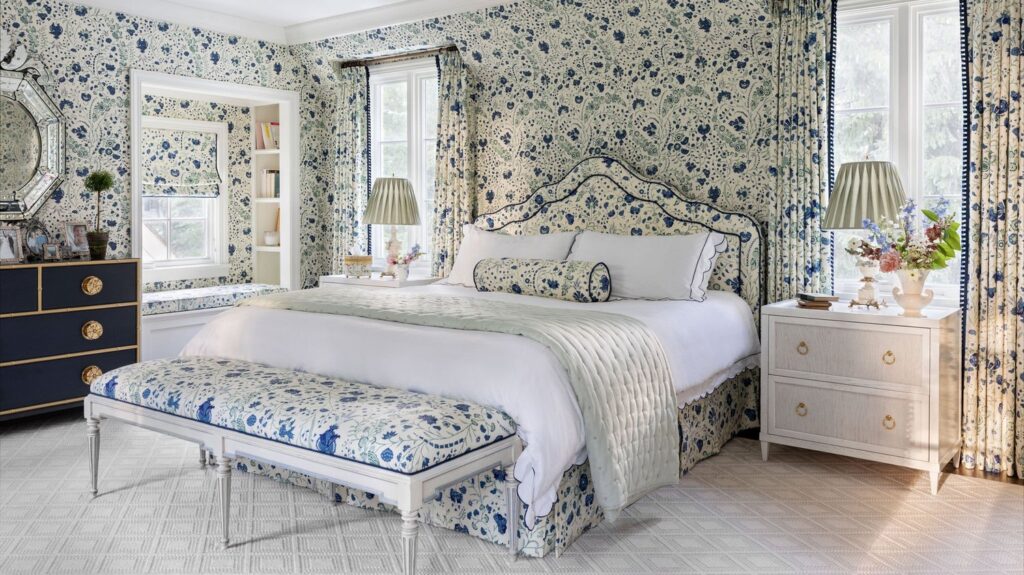
From Lemon Park, Forest Path — a woodland botanical with depth and organic complexity — makes a study or bedroom feel like a sanctuary. Renter-friendly.

→ Lemon Park Forest Path Wallpaper
The Textiles
Linen over cotton, natural-dyed over synthetic, handwoven over machine-made. A linen duvet cover that’s slightly creased is more wabi-sabi than a pressed cotton one. Parachute’s linen bedding in natural undyed flax gets more beautiful with age, not less. That’s the wabi-sabi quality in a textile.
The Art: Dimensional and Earned
Wabi-sabi objects have materiality — they exist in space, cast shadow, change in different light, carry the mark of the maker’s hand. Anthem Classic’s hand-welded metal wall art has this quality: each piece made by hand in the Ozarks, in solid steel with a warm Umber patina that shifts with the light.

→ Anthem Classic metal wall art — made in the Ozarks, free shipping
The Principle
The wabi-sabi room is built through attention rather than acquisition. Look at what you already own: the worn cutting board, the chipped mug you still use, the quilt your grandmother made. These are wabi-sabi objects. The work isn’t replacing them with new things that look old — it’s learning to see them as the beautiful things they already are.