A builder-grade home isn’t a limitation—it’s a blank canvas. With thoughtful touches like wallpaper, lighting, and color, you can turn basic finishes into spaces full of character and unmistakable personality.
No one dreams of a builder-grade home. The finishes are safe, the colors predictable, the lighting practical but forgettable. It all works—but it doesn’t feel like you. These builder-grade home ideas show how even a basic space can feel layered, lived in, and full of personality. You don’t need a gut renovation to get there; it’s about intention, contrast, and choosing pieces that tell your story.
1. Choose colors you love
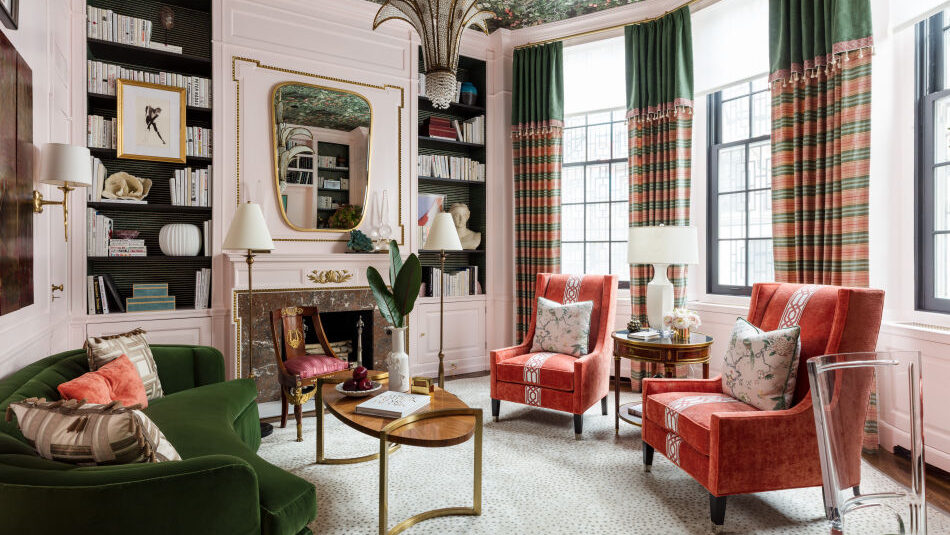
Trevor Parker // Annie Elliott Design
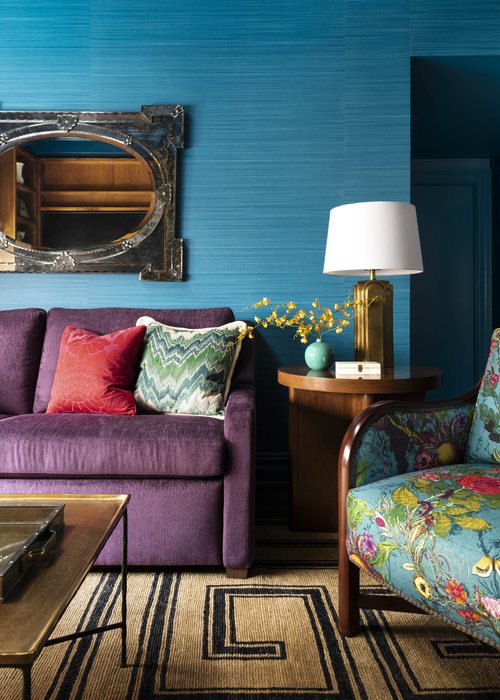
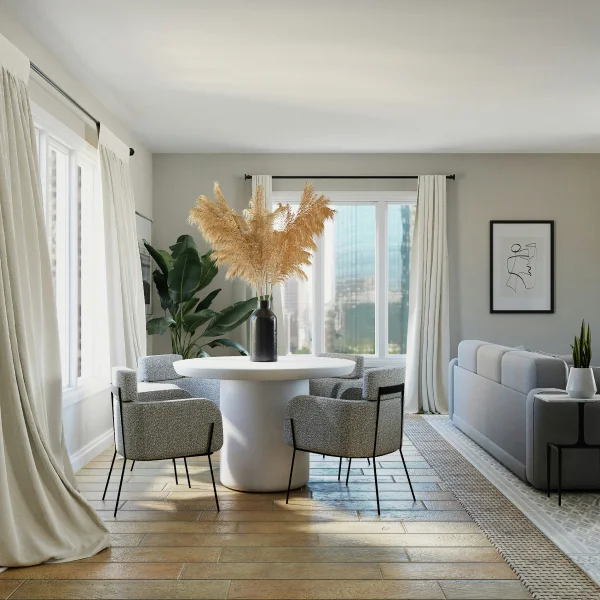
Like most things in your home, you shouldn’t choose a color just because it’s all over Pinterest. It should feel right when you walk into the room. Maybe it’s a deep green that feels rich and calming, or a palette of layered neutrals with subtle contrast.
The key is variety. Even if you love neutrals, consider mixing tones. Pair cream with taupe, or add charcoal for depth. You can even introduce patterns in a similar color family so the space feels layered, not loud.
If bold color speaks to you, embrace it. A confident hue (especially in wallpaper) can instantly shift a room from forgettable to memorable.
2. Add wallpaper
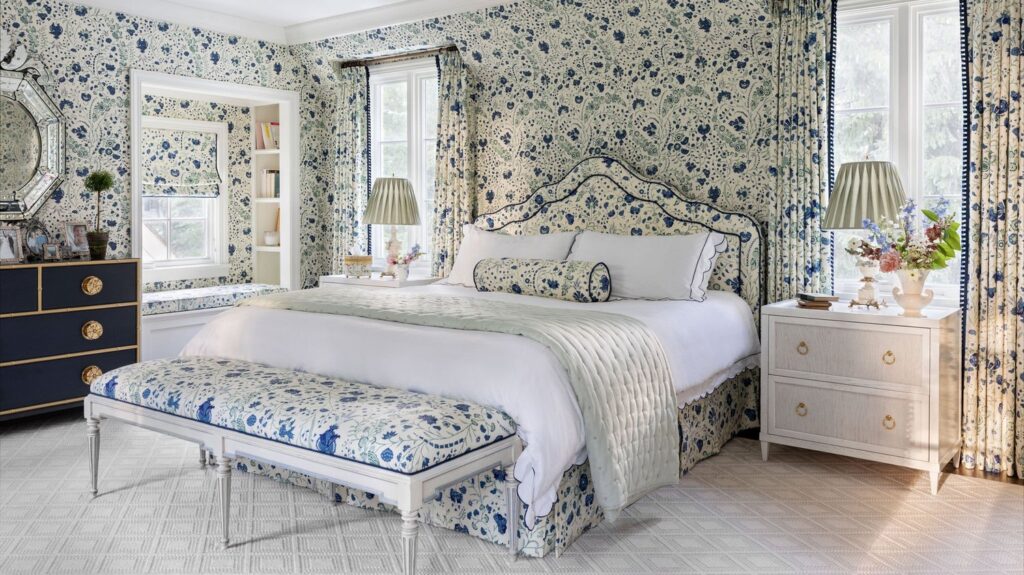
Desiree Burns Interiors
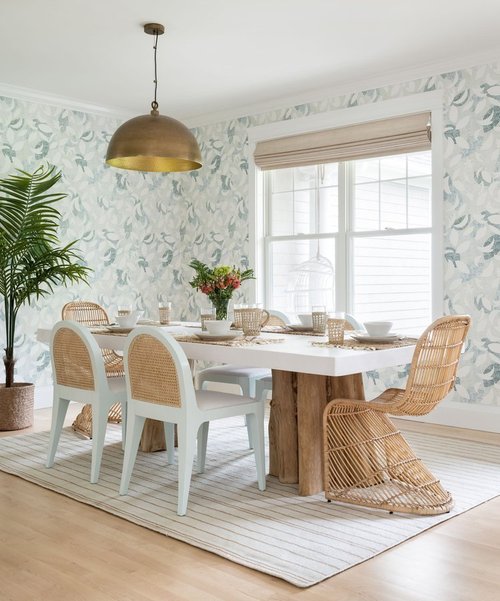
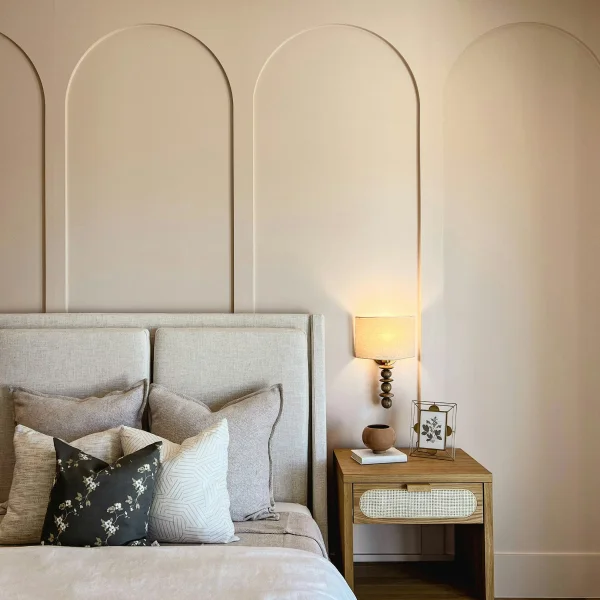
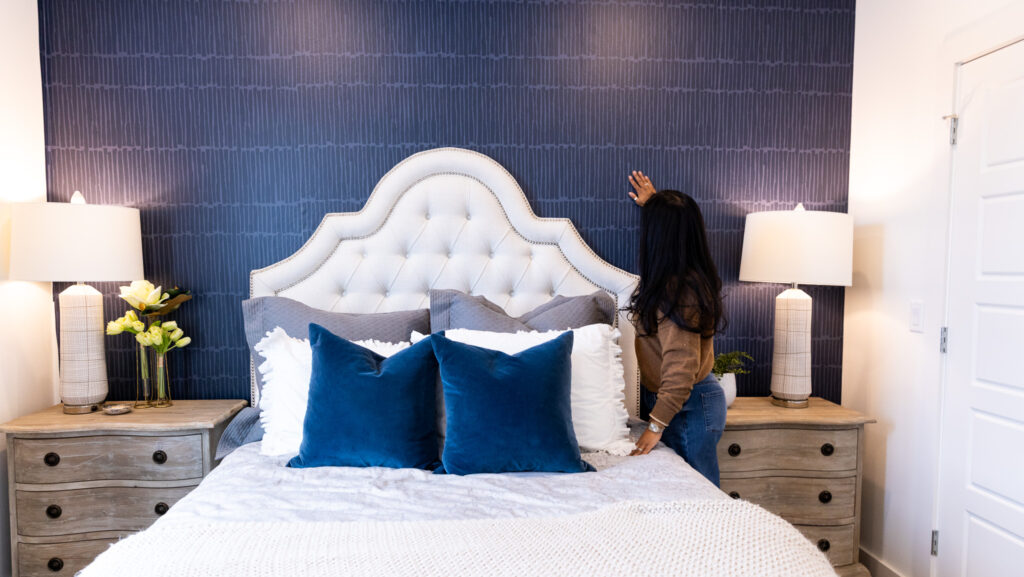
A blank wall is safe, while a wallpapered wall feels intentional and curated. It sets the tone for a space and becomes a backdrop for the rest of the room. The best part? You can use it sparingly and still make a big impact. A feature wall is often enough—think behind a bed, on one wall in a dining room, or in a hallway that needs a pop of personality.
When it comes to choosing wallpaper, different patterns can shape a room’s personality. A floral pattern can feel romantic, while stripes can add structure. A bold pattern in a powder room can turn a small space into something wow-worthy.
3. Layer in thoughtful details
Studio Peake
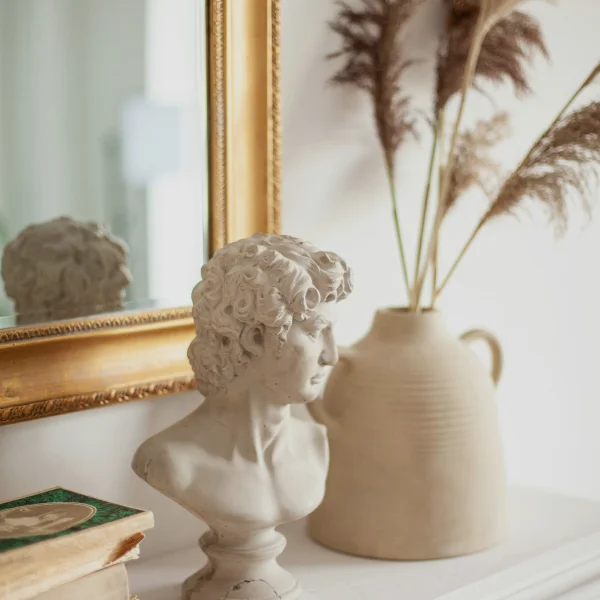
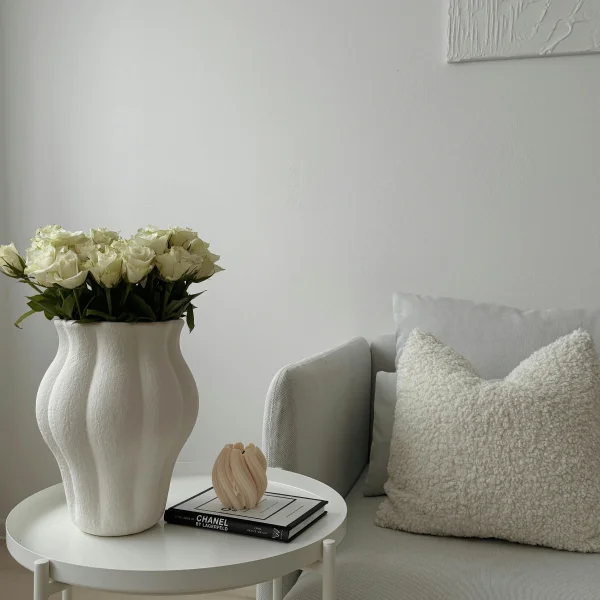
A room almost never comes together because of one statement piece alone. What makes it feel complete is the layering—the subtle buildup of texture, light, and shapes that give it weight.
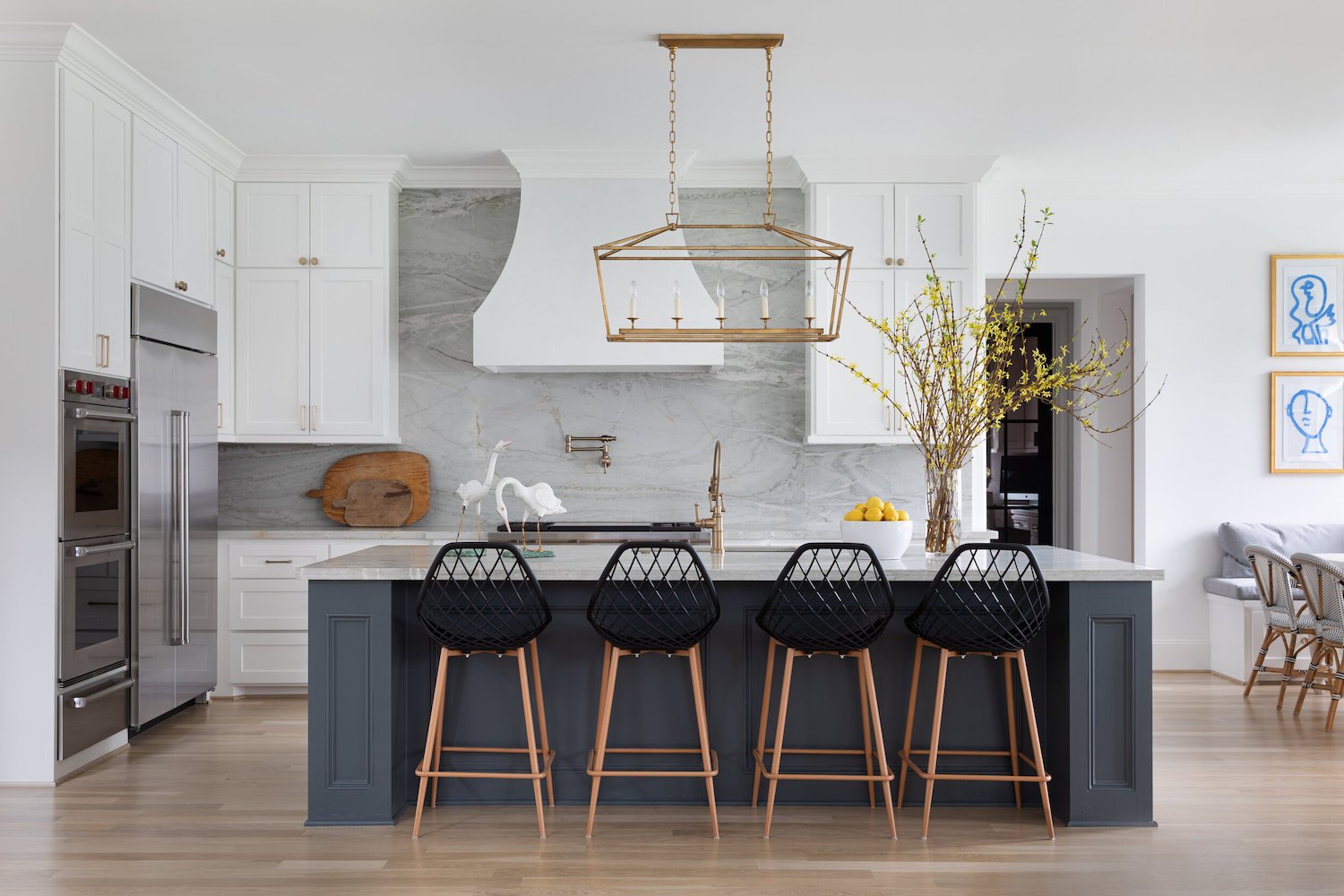
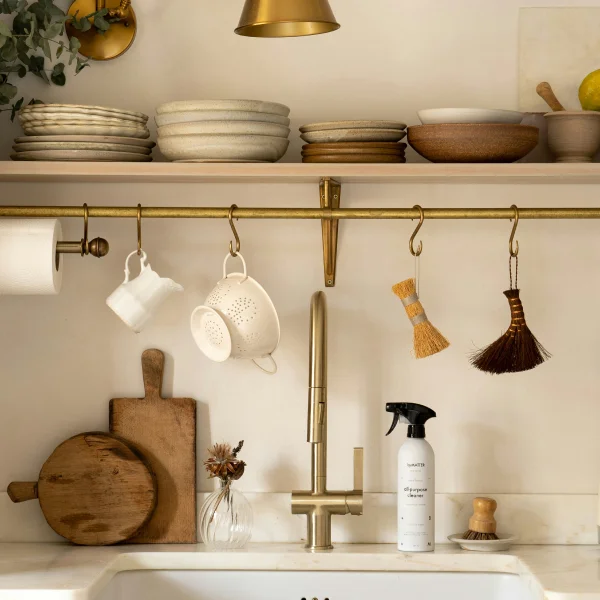
For instance, instead of relying solely on overhead lighting, bring in lamps that cast a softer glow. Consider woven baskets, stacks of well-loved books, and small objects that carry meaning and tell their own story. When it comes to the kitchen, trade plain subway tile for something with a hint of texture. Over time, it’s those smaller elements that begin to shape the atmosphere of the space.
It’s also important to remember that decorating isn’t a sprint. More and more people are embracing slow decorating and resisting the urge to furnish an entire room in a single weekend. It’s about waiting for the right pieces, and allowing the space to evolve naturally. Opt for options that will still fit your story years from now.
4. Curate art that has presence
Anthem Classic
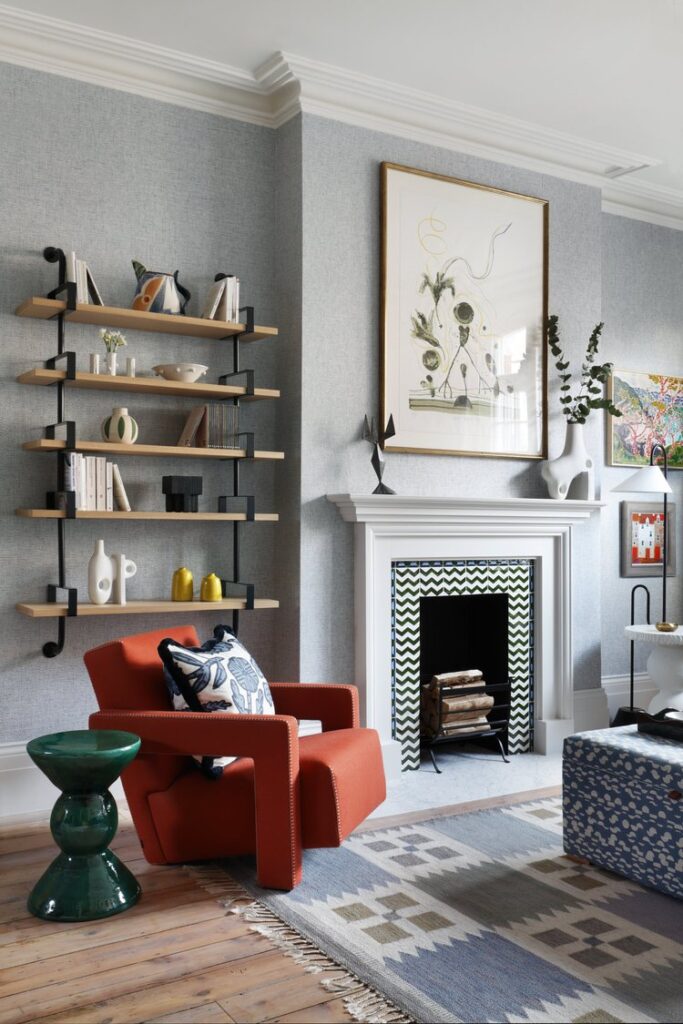
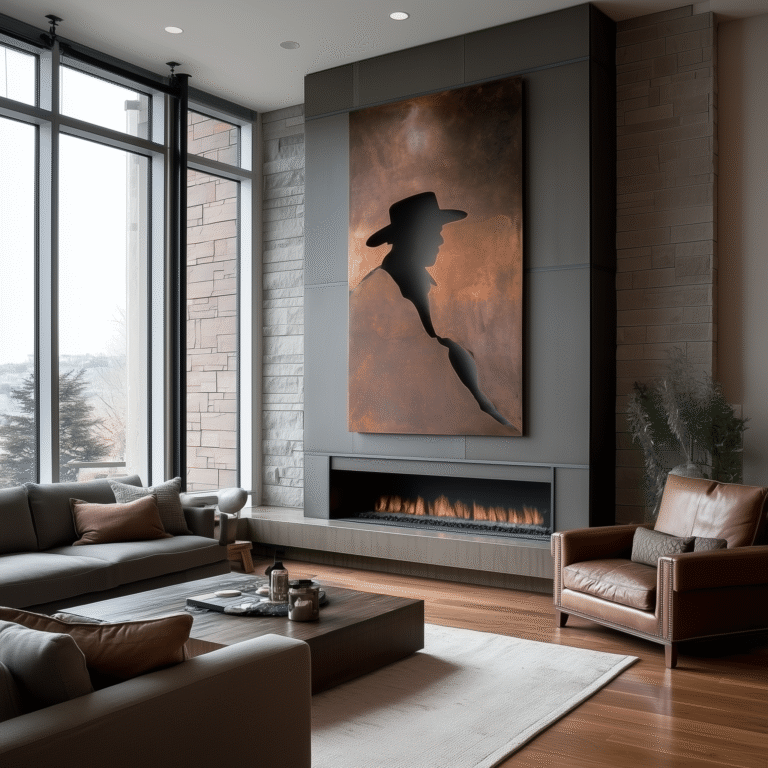
Art is the finishing touch that gives a home personality—but not all pieces make the same impact. Skip the small filler prints and go for a statement piece that anchors the room. Metal wall art, oversized canvases, or textured sculptures add depth and contrast in a way flat prints may not, turning walls into instant focal points.
The trick? Choose one standout piece per room and let it guide your décor choices—from color to texture to accessories. Suddenly, your walls feel curated, intentional, and completely yours.
5. Bring in natural woods
Stephanie Russo // Lauren Nelson Design
For years, interiors leaned heavily into bright whites and cool minimalism. And while the look offered a clean and modern look, it often left a room feeling flat. Enter natural wood which can bring warmth back into the picture.
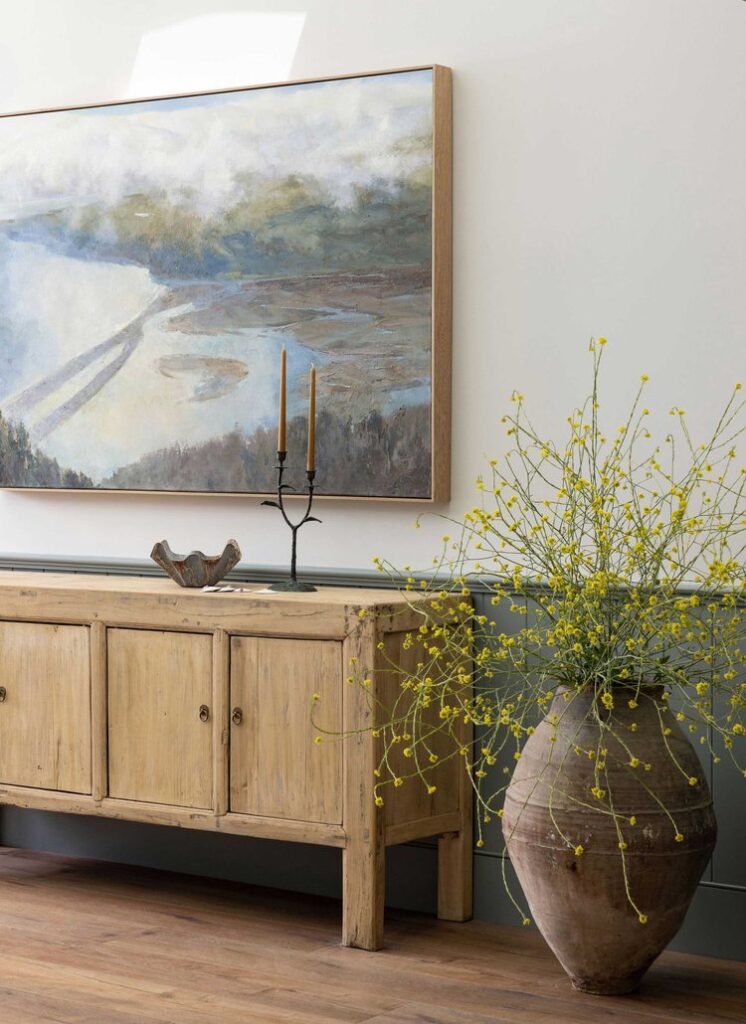
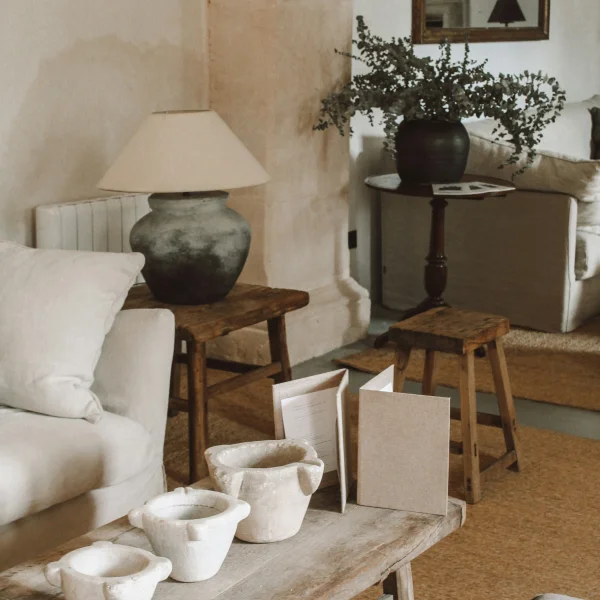
Whether you choose a walnut coffee table, oak shelving or a vintage wood dresser, just one piece can soften an entire room. The grain and tone adds depth, grounding the space and making it feel permanent instead of temporary.
While this doesn’t mean abandoning a neutral palette, it does mean balancing it. If your home feels overly white or sterile, layering in wood is one of the fastest ways to make it feel intentional.