From cinematic color palettes to sets that spark full-blown design trends, film and television are shaping how we decorate in real time. Designers are increasingly looking to the screen for inspiration—translating iconic interiors into spaces that feel both personal and culturally in tune.

While film and television have long shaped how we think about style, their influence on the way we design our homes has become impossible to ignore. Take the viral “Nancy Meyers aesthetic,” for example: a design trend defined by the warm, layered interiors seen in films like Something’s Gotta Give and The Parent Trap. According to Pinterest data, search terms like “Nancy Meyers living rooms” and “Nancy Meyers homes” have surged by more than 2,000% as fans look to recreate the filmmaker’s cozy kitchens and lived-in living rooms in their own spaces.
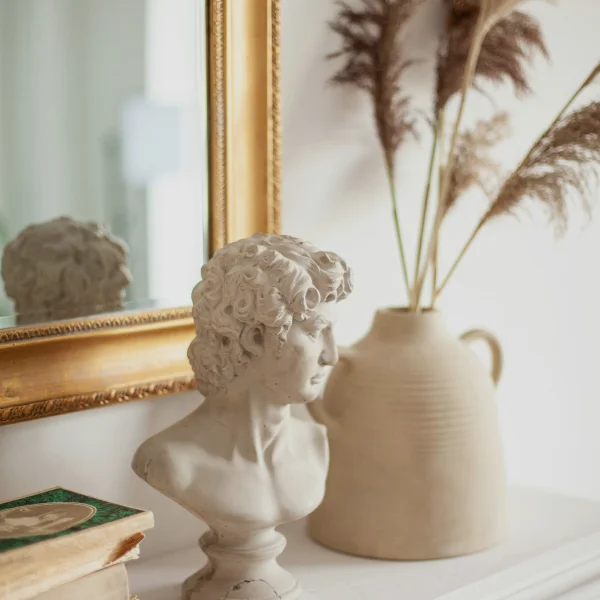
Of course, the inspiration goes far beyond Meyers’ signature style. Netflix’s latest season of Bridgerton has fueled the rise of “Regencycore,” sending searches for the early-1800s aesthetic soaring as viewers embrace ornate mirrors, romantic wallpapers, and pastel palettes. Shows like The White Lotus have sparked renewed interest in resort-style interiors—even inspiring an entire collection with CB2—while earlier series such as Mad Men helped revive mid-century modern furniture for a new generation of homeowners and renters.
There’s a reason on-screen environments leave such a lasting impression: They’re designed to make us feel something. “Film and television sets are powerful sources of inspiration because they’re created with intention and storytelling in mind,” says Gina Gutierrez, Principal Designer at Gina Rachelle Design. “Whether it’s the historic richness of Hamnet, the playful layering of Emily in Paris, the warmth of Shrinking, or the relaxed ease of Sirens, the common thread is spaces that feel personal and lived-in,” she adds.
Today, designers are increasingly drawing from the big screen’s playbook—bringing the layered textures, thoughtful details, and sense of atmosphere we see on film and television sets into the way real homes are designed. From richly layered materials to spaces that prioritize mood over perfection, we’re breaking down some of the biggest ways film and television are shaping interiors right now.
1. Atmosphere over aesthetics
One of the most important design lessons we can take from today’s film and television sets is the power of atmosphere. While it can be easy to get caught up in curating a picture-perfect space—whether that means recreating the coffee table styling you saw on Pinterest or keeping every toy tucked neatly out of sight—the most memorable on-screen interiors rarely feel overly polished. Instead, they feel layered, personal, and lived-in.
According to Gutierrez, the set of Hamnet captures this idea beautifully. “The interiors feel deeply atmospheric,” she says. “There’s a warmth and softness to the spaces that feels very aligned with what many homeowners are craving right now: homes that feel lived-in, soulful, and connected to history.”
Focusing on atmosphere first allows the aesthetics to fall into place naturally. When a space feels authentic and reflective of those who live in it, it instantly becomes more inviting—no rigid rules or forced perfection required.
2. Layered materials
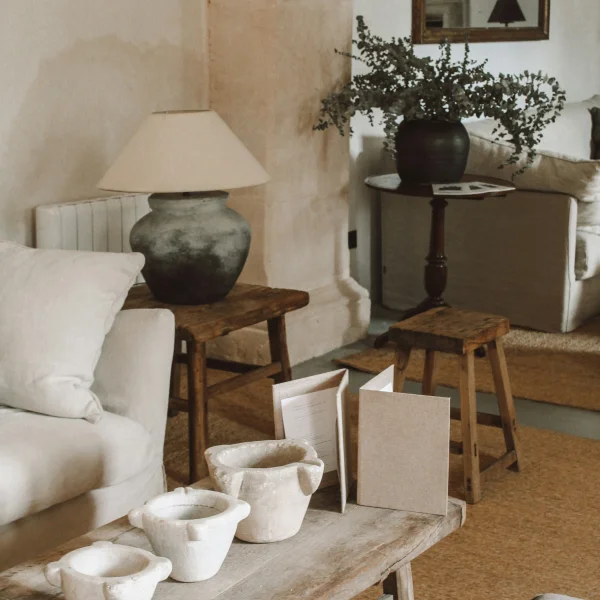
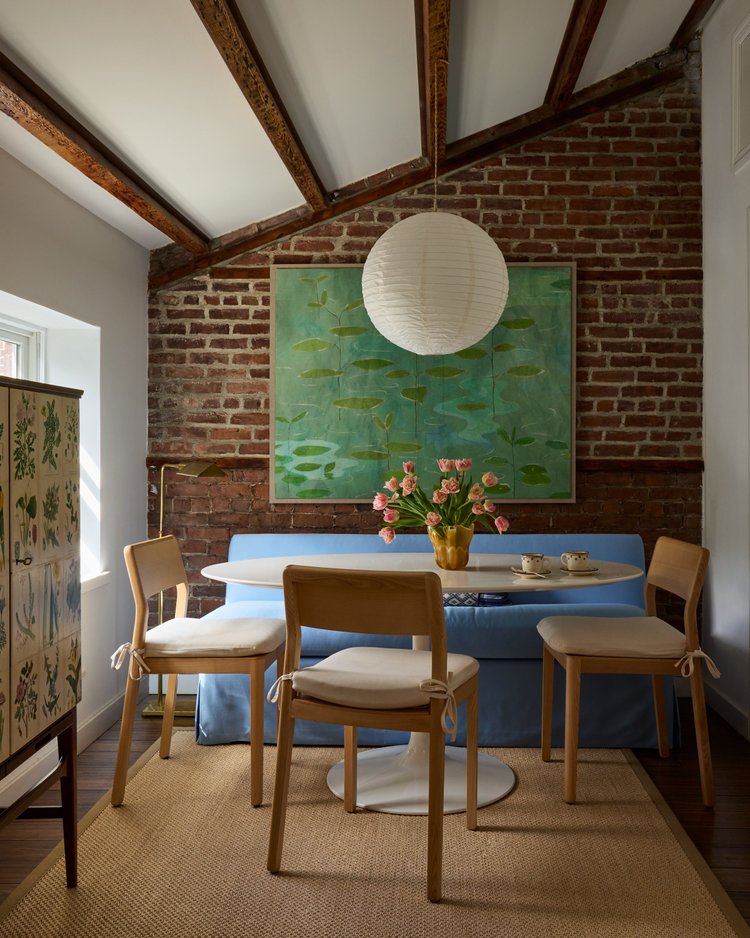
Layering textures and materials is an essential step in creating the depth and warmth we often admire in on-screen spaces. In fact, Gutierrez says this is one of the key ways film and television sets influence interior design today. “In Hamnet, you see natural materials such as large wood beams, linen, plaster, and stone working together to create depth and texture. There’s even a wall with an engraved pattern that feels worn in an artful, authentic way, adding to the sense of originality.”
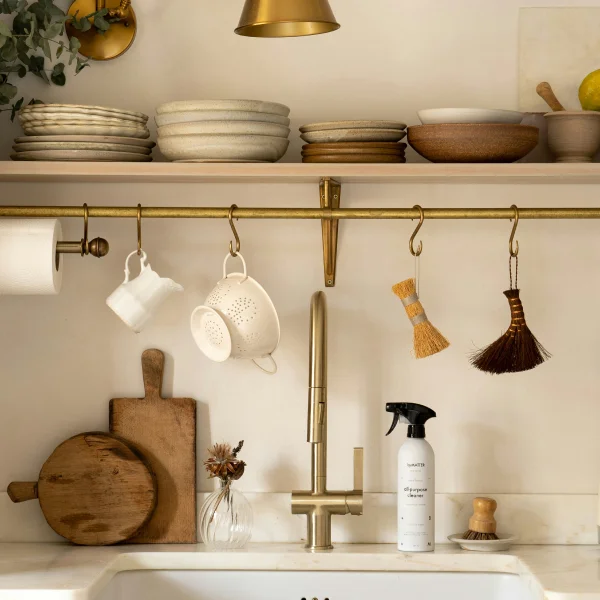
Layering materials doesn’t just enhance the visual appeal of a space—it also creates a richness that makes rooms feel inviting and grounded. Think soft textiles, natural stone, and wood with visible grain, which can all combine to form a space that’s simultaneously luxurious and approachable.
3. Emphasis on color & prints
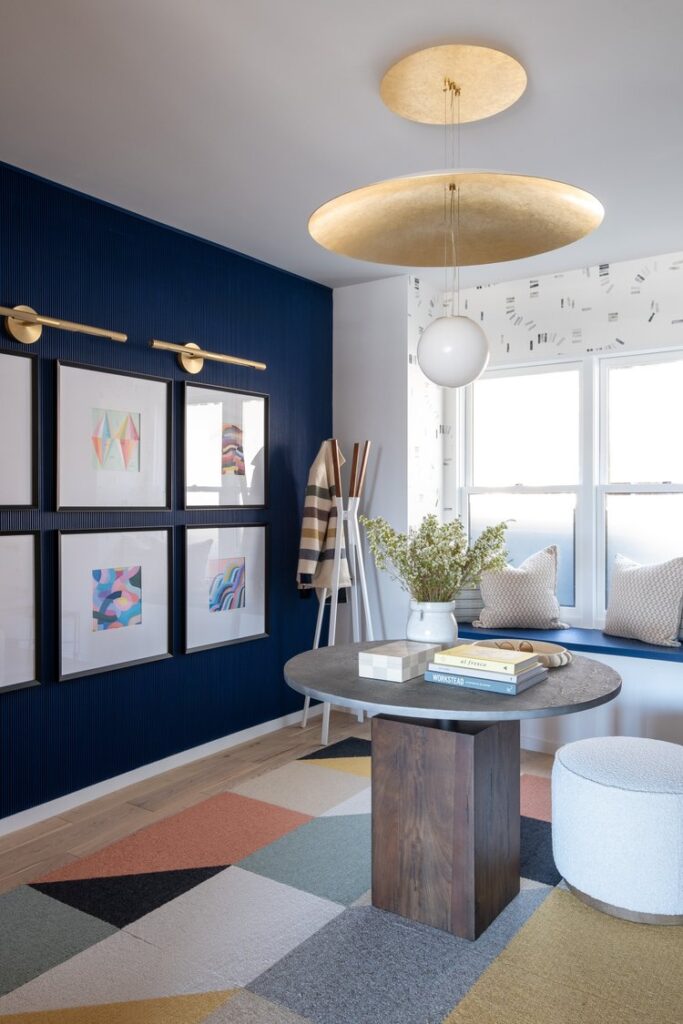
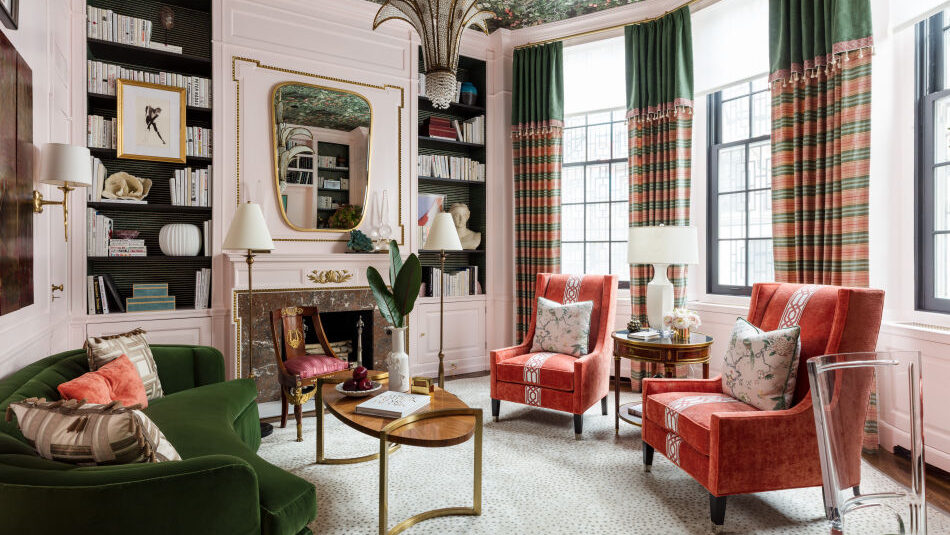
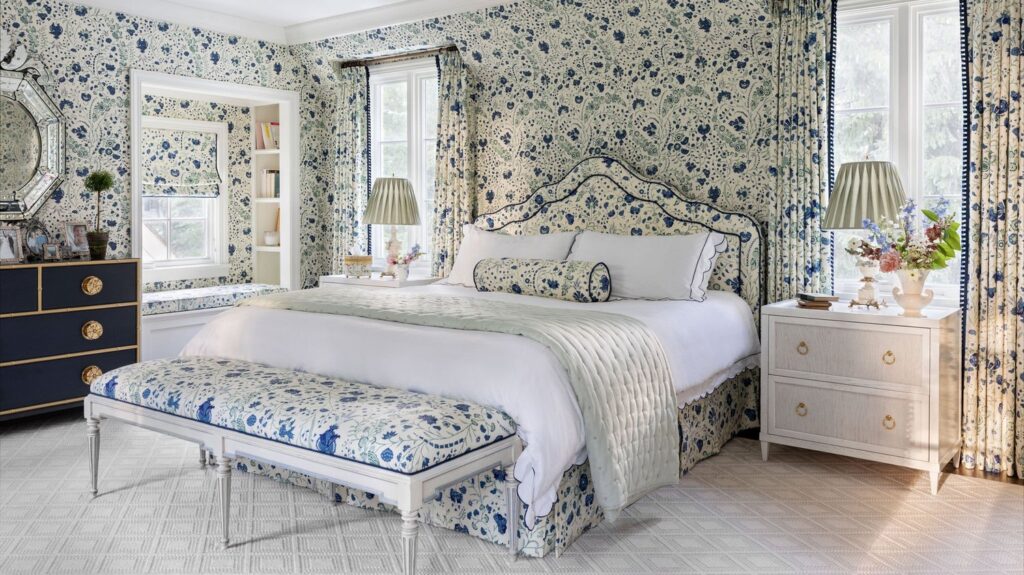
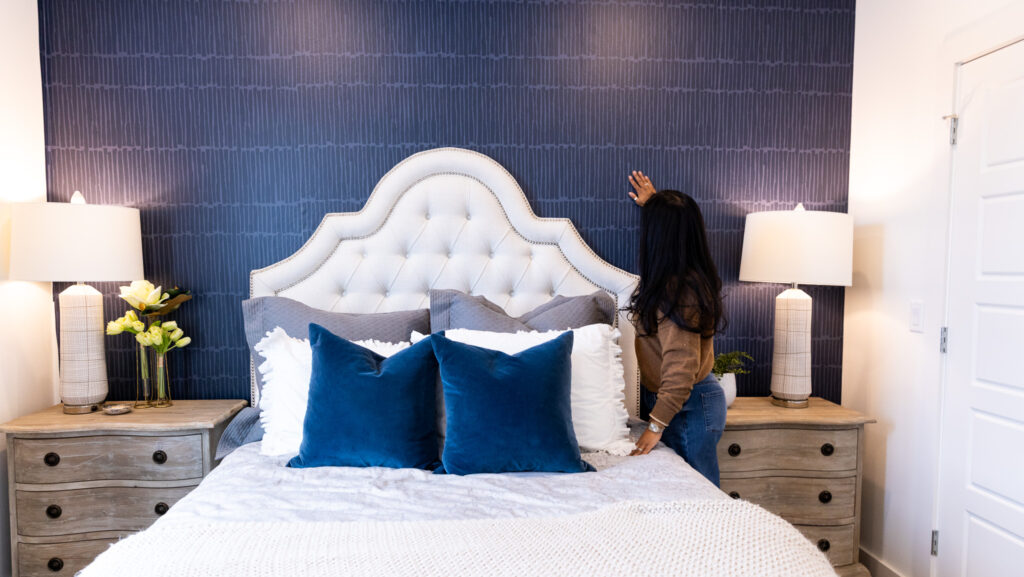
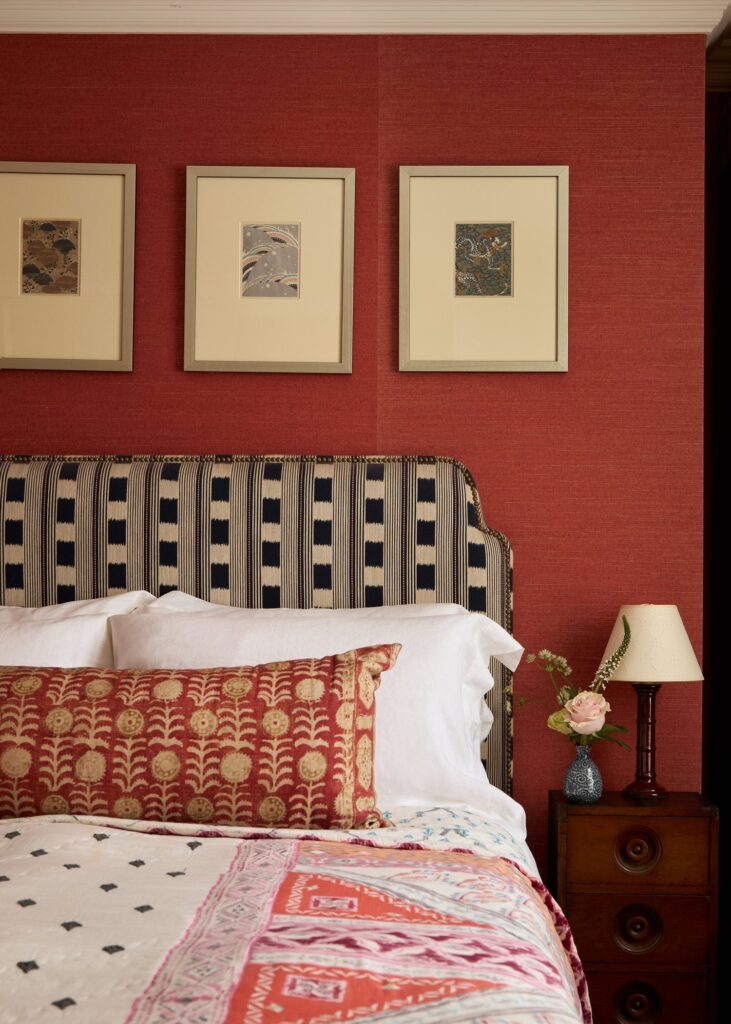
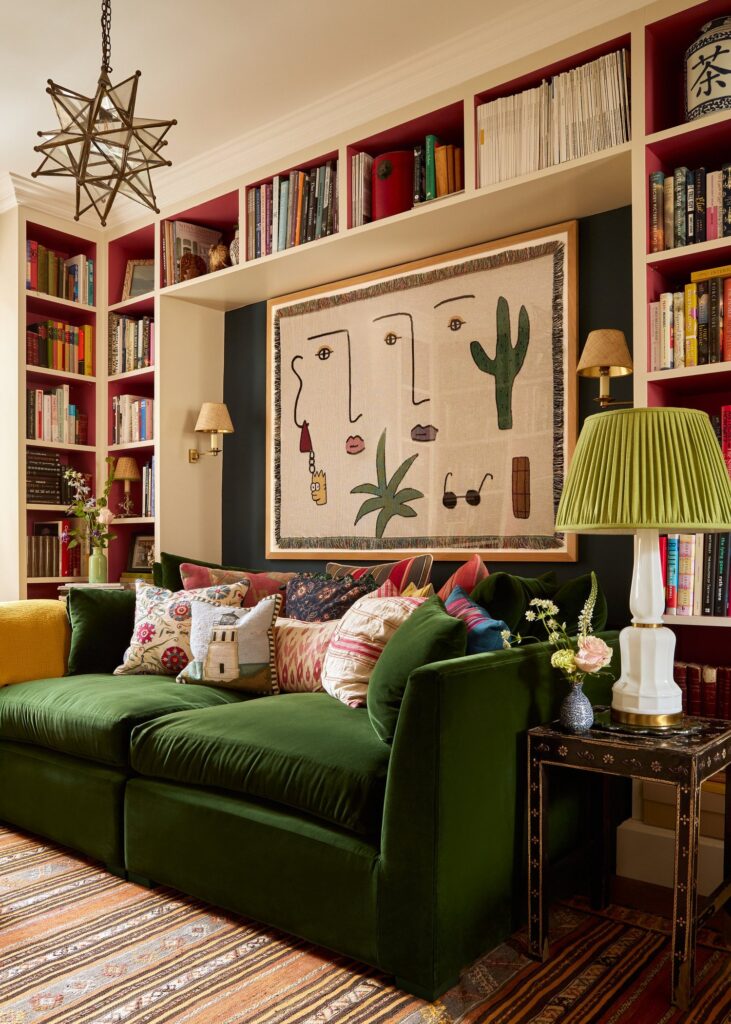
In a world where neutral, “safe” palettes often dominate, on-screen interiors are a reminder that embracing color—even in small doses—can completely transform the feeling of a space. From the romantic shades of Bridgerton to the playful, layered palettes of Emily in Paris, color and pattern play an essential role in creating homes that feel dynamic and personal.
“Gabby’s home in Shrinking is a standout,” says Gutierrez. “It’s a beautiful take on midcentury modern design, full of color and pattern, yet still incredibly warm and inviting. It feels curated and design-forward without losing that essential sense of comfort.”
Whether it’s a patterned rug, a colorful accent wall, or a statement piece of furniture, on-screen interiors teach us that thoughtful use of color and pattern doesn’t have to feel chaotic. Instead, it can be the very thing that makes a home feel layered, lived-in, and full of personality.
4. Blending old & new
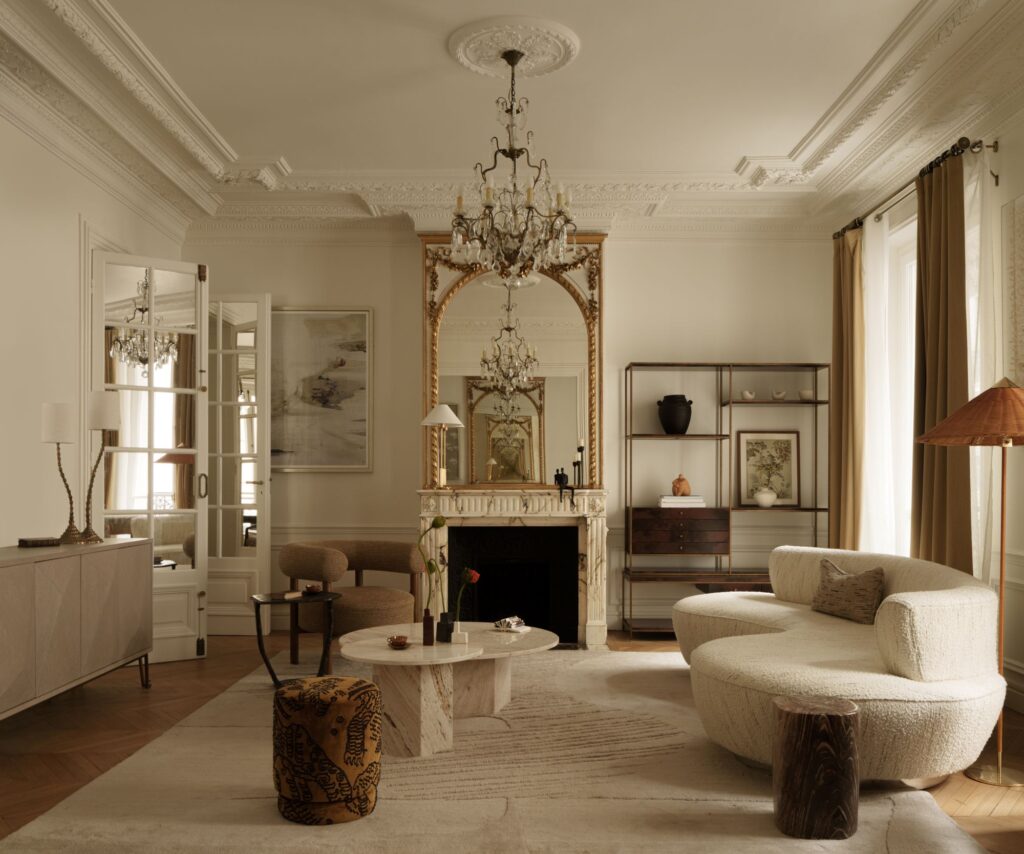
Some of the most memorable on-screen interiors achieve their signature charm by combining modern and historical elements. Original millwork, ornate moldings, and vintage furnishings don’t have to be paired with equally traditional pieces. In fact, mixing in a few contemporary accents and updated finishes can create a character-filled space that feels both timeless and relevant. Take Emily In Paris, for example, a set that celebrates original Parisian woodworking as the foundation of a room, while modern furnishings are thoughtfully layered throughout to create spaces that strike a balance between classic and fresh.
According to Gutierrez, Sirens is another example of a set that beautifully marries these two aesthetics. “The kitchen in Sirens is a personal favorite as it embraces an early century design with classic details like marble counters, a grand table-like island, and a rolling library ladder. The whole house moves between bold modern elements and a more traditional coastal aesthetic,” she says.
5. Using lighting to create mood
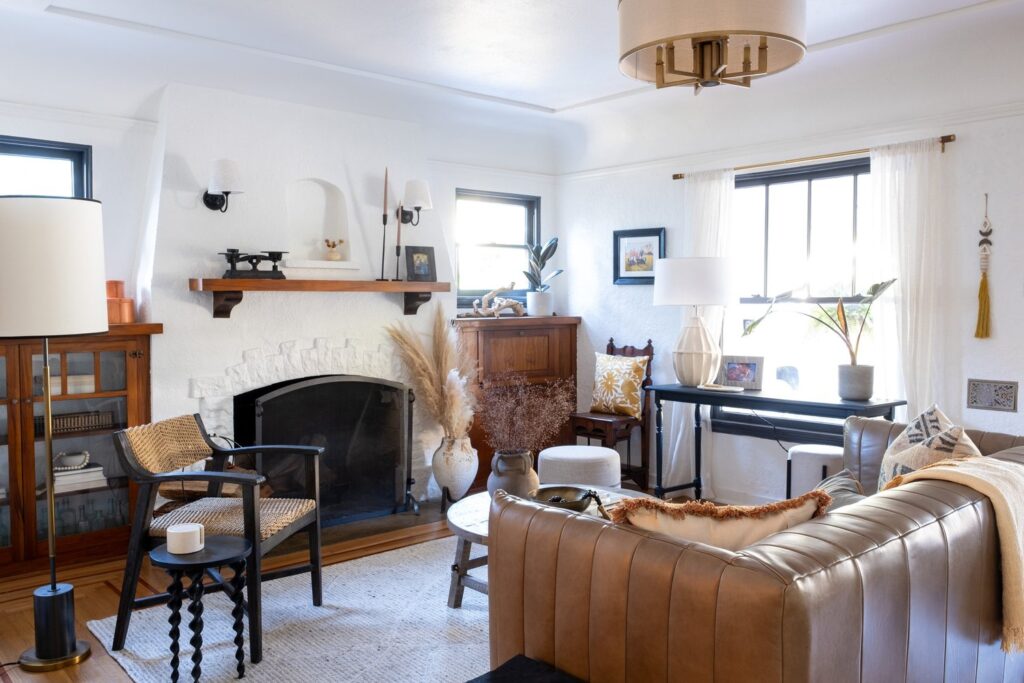
Lighting is one of the most powerful design elements used in film and television sets. The way a scene is lit helps convey emotion and guide the viewer’s eye—a principle that directly translates into real homes. By combining multiple light sources in addition to a main overhead fixture, a space can easily transition between moods and times of day.
“Layered lighting is essential,” says Gutierrez. “Sconces, pendants, and chandeliers help create intimate moments throughout the home. Even adding a few table lamps can make a space feel warm and cinematic.” By incorporating a strategic approach to lighting, anyone can create a room that feels as thoughtful and layered as the sets that inspire them.