Every year there's a new color of the year. A new material that's everywhere. A new sofa silhouette. And every year, some percentage of people repaint, reupholster, or quietly move their recently purchased furniture to the guest room because it already looks dated.There's a better way. Not a trendless way — being aware of what's …
Every year there’s a new color of the year. A new material that’s everywhere. A new sofa silhouette. And every year, some percentage of people repaint, reupholster, or quietly move their recently purchased furniture to the guest room because it already looks dated.
There’s a better way. Not a trendless way — being aware of what’s happening in design is genuinely useful. But there’s a meaningful difference between designing a room that’s trend-aware and one that’s trend-dependent. This piece is about the first one.
What "Timeless" Actually Means
Timeless doesn’t mean beige walls and safe choices and nothing that could possibly date. It means making decisions that age into the room rather than out of it — materials that develop patina, colors with long histories, silhouettes that don’t belong to a single five-year window.
Interior designer Sarah Hart puts it precisely: “Clients are embracing imperfection and patina as part of a home’s evolving character.” Materials that age gracefully — stone, wood, and metals — are gaining favor because they look better ten years in than they did day one.
That’s the test worth applying to every significant purchase: will this look better, the same, or worse in a decade?
The Categories That Matter Most
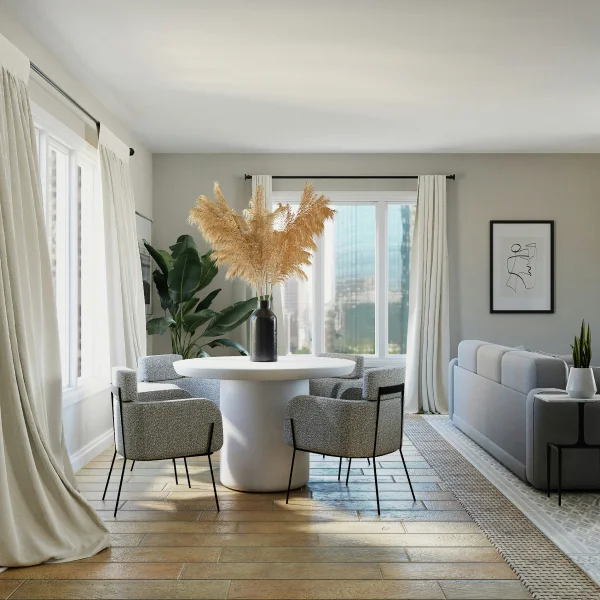
Flooring carries the longest consequence of any decision you’ll make. Solid hardwood, stone tile, and quality engineered wood all age beautifully and carry essentially no trend risk. Luxury vinyl plank, trendy tile patterns, and laminate carry considerably more.
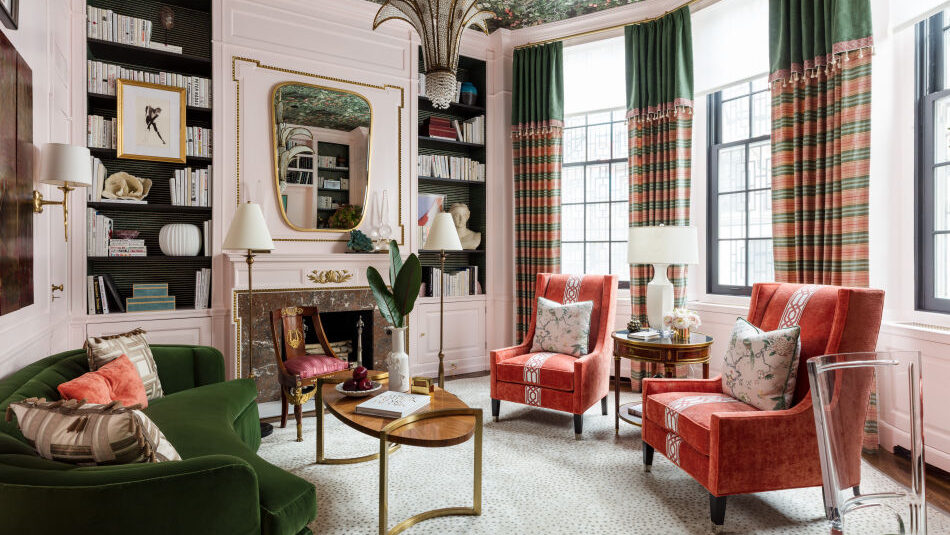
Upholstery is where trend risk is highest. The clean-lined, low-profile sofa in a natural fabric has been reliable for twenty years and isn’t going anywhere. Bouclé has been around since the 1950s and will still look right in 2030. Microfiber, most velvet colorways, and anything with exaggerated leg silhouettes carry more risk. Buy the sofa as slowly as you can afford to.
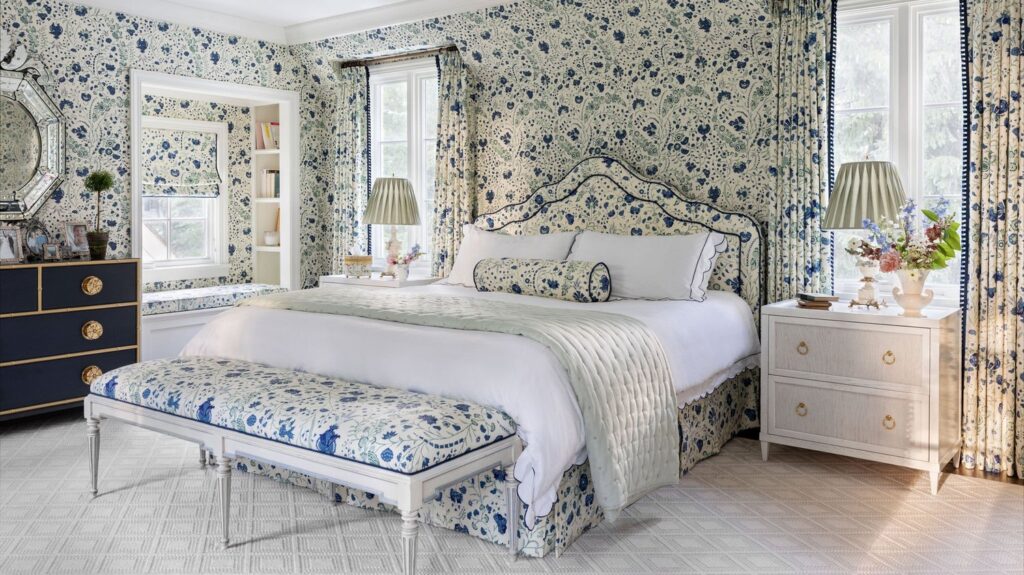
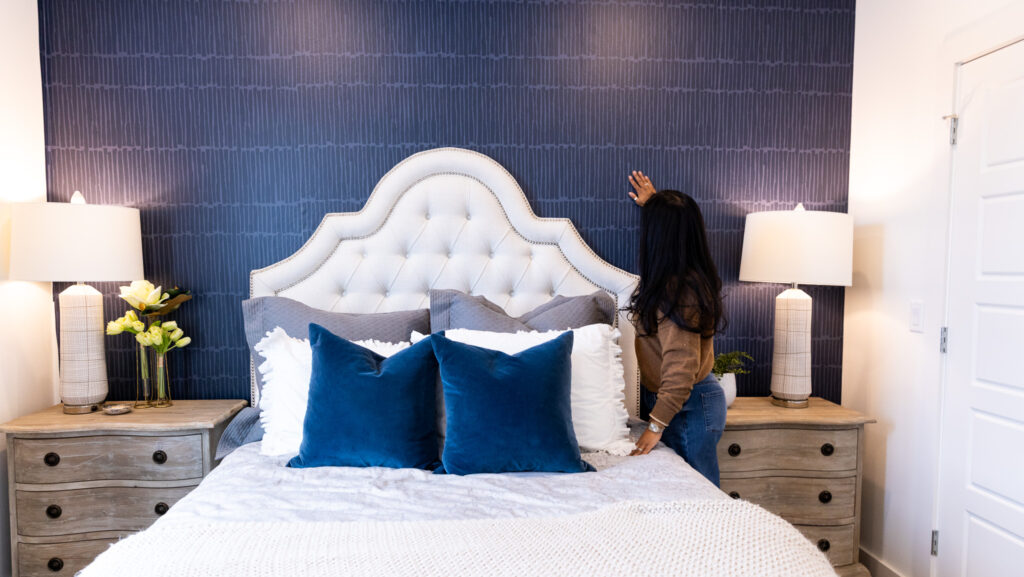
Wallpaper has a longer shelf life than most people assume. The styles with staying power include traditional patterns given more personality, prints that tell stories, and designs that celebrate the craft of how wallcoverings are made. A well-chosen botanical from Painted Paper, a quality grasscloth, or a classic stripe will still look intentional in fifteen years. The patterns that date are the ones that were always primarily trend references rather than genuine design.
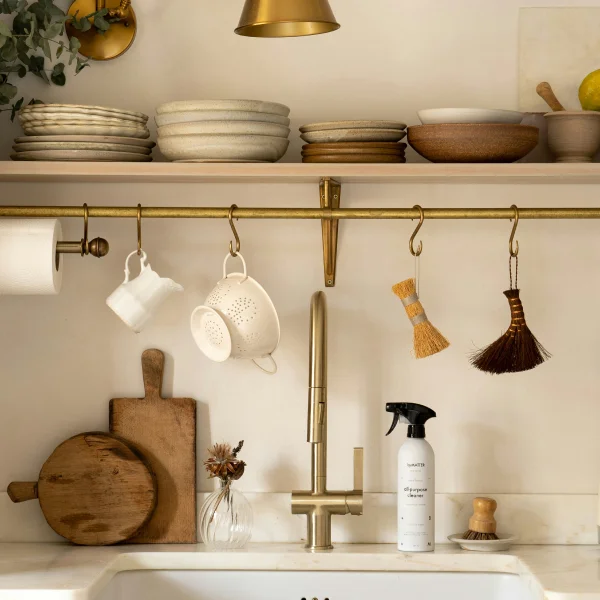
Hardware is where small choices make disproportionate impact. Designers are moving toward warmer finishes — brushed nickel, soft bronzes, antique brass — which hold across aesthetic shifts. Unlacquered brass develops patina naturally and looks more interesting with age. Polished chrome and matte black are both more trend-contingent than they appeared when they were everywhere.
Wall art is the category most people under-invest in relative to its impact. A piece with genuine craft, dimension, and material quality doesn’t date. What dates is decorative art chosen primarily because it matched a palette. Anthem’s hand-welded metal pieces are built from the kind of material permanence that belongs in the timeless category — the subject matter (landscape, organic form, nature) has no trend expiration, and patinated metal looks more interesting with age, not less.
The Practical Framework
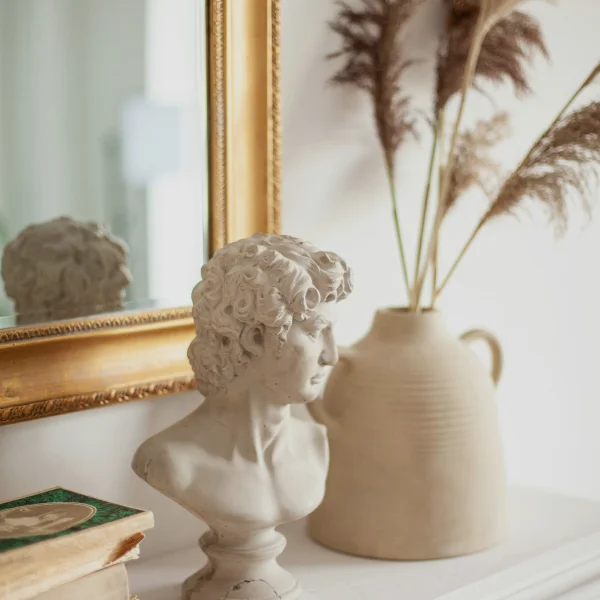
Move fast on accessories and accents. Throw pillows, small rugs, candles, ceramics — these are where you let the current moment in. They’re low cost to change, so you don’t need to be conservative. Buy the trending terracotta pot. Use the color of the year on an accent wall. Just don’t build the room around any of them.
Buy vintage for the pieces with the most trend risk. A lamp from the 1960s doesn’t carry trend risk — it already survived its era. Preloved items bring character, charm, and a sense of history, arriving with stories already attached. A brand-new lamp with a very 2026 silhouette carries risk that a sixty-year-old one doesn’t.
Trust your eye over your feed. The most durable rooms are designed by someone who knew what they loved and had the patience to find it. As designer Erin Napier says: “I want a house to feel like your story. It should be full of things you’ll love long after the magazines have moved on.”
What to Leave Behind Right Now
Limewash as the only finish — beautiful, but rooms built entirely around it will feel dated by 2028 the way chalkboard walls felt dated by 2016.
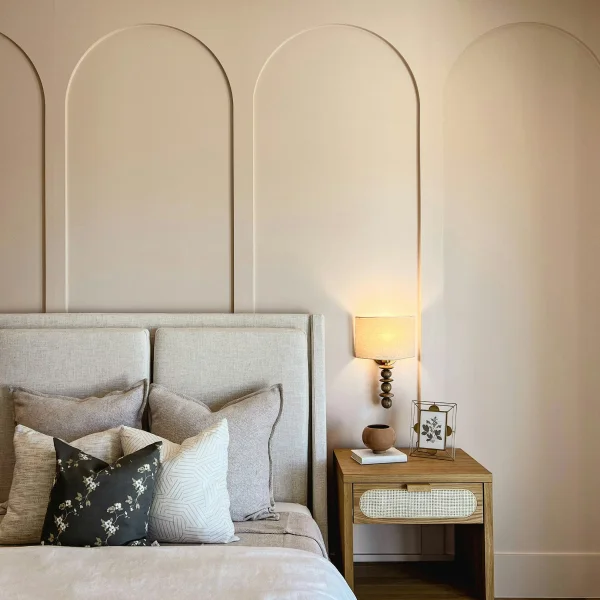
Arches applied without architectural reason — designers are already warning that when applied without structural relevance, they start to feel gimmicky.
Matching furniture sets from a single collection. Matte black hardware on everything. These had their decade.
The Long Game
Designer Justin Orton: “Design is moving away from novelty and toward how spaces actually function day to day. The interesting part is that these spaces still feel elevated — they are just quieter and more intentional.”
Quieter and more intentional. That’s the room worth building. And the good news is it takes time — which means it gets better the longer you work on it.