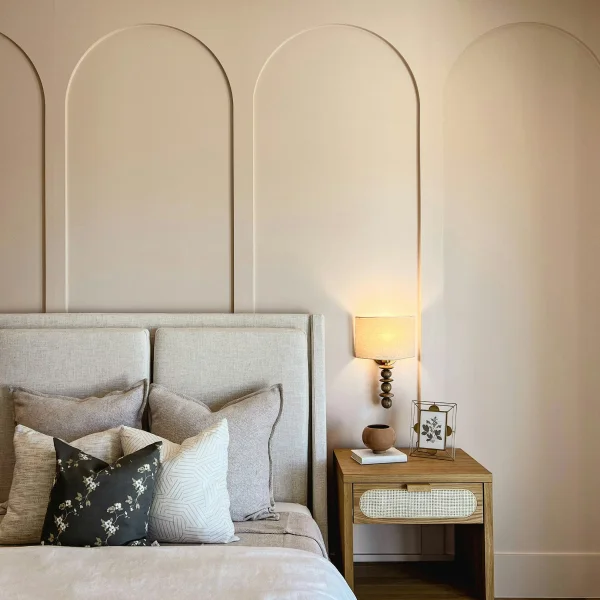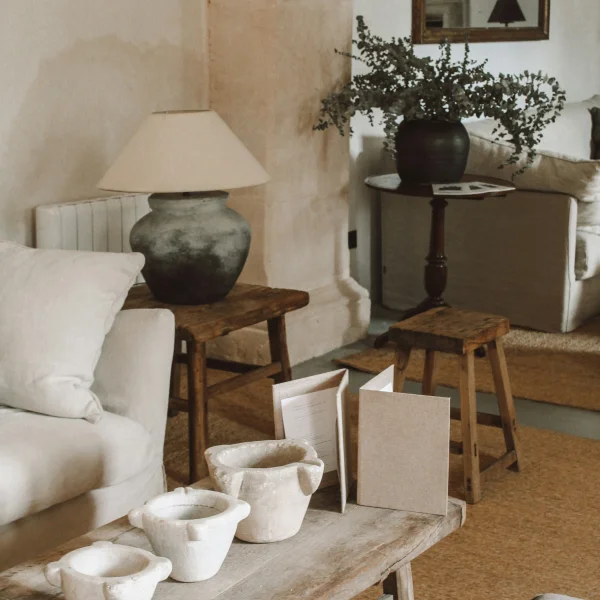
The maximalist living room is one of the most searched and most misunderstood room types. Here’s the design framework for getting it right — layered, warm, and unmistakably personal.
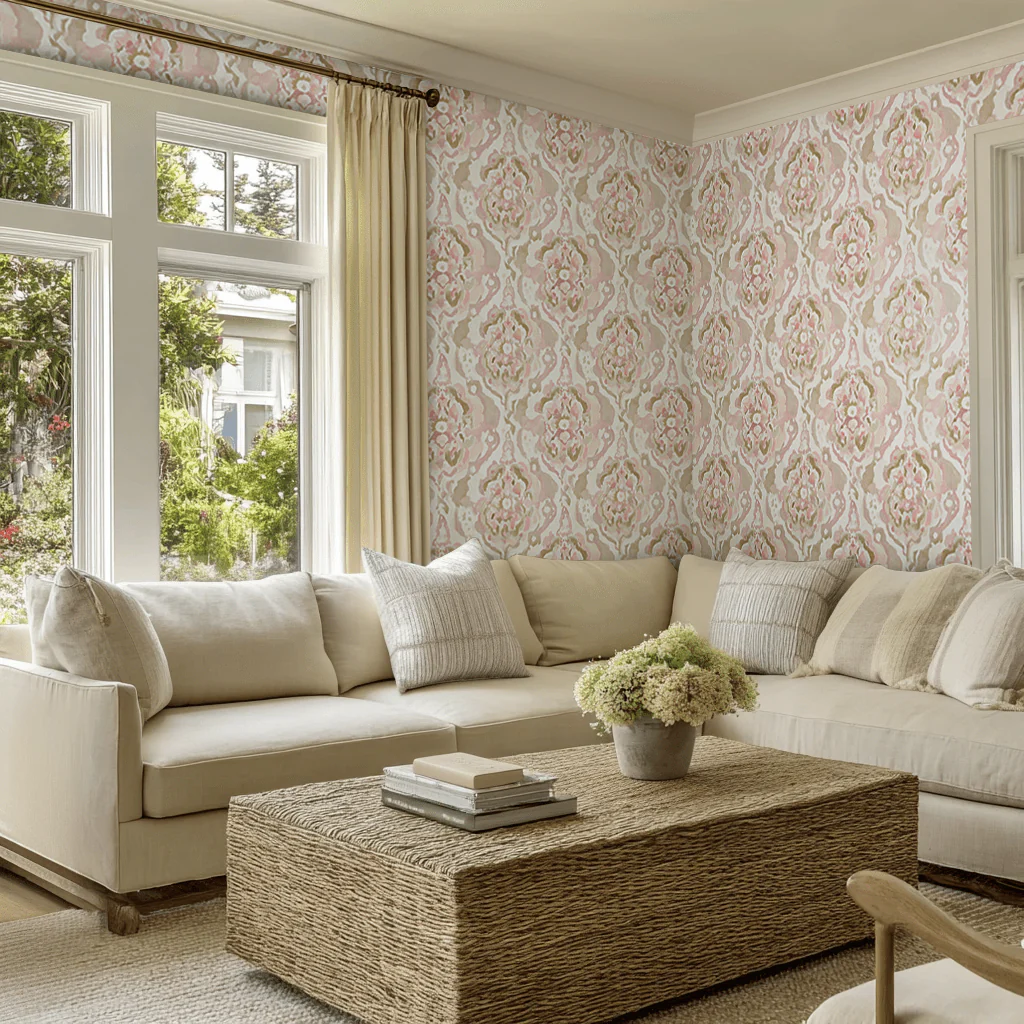

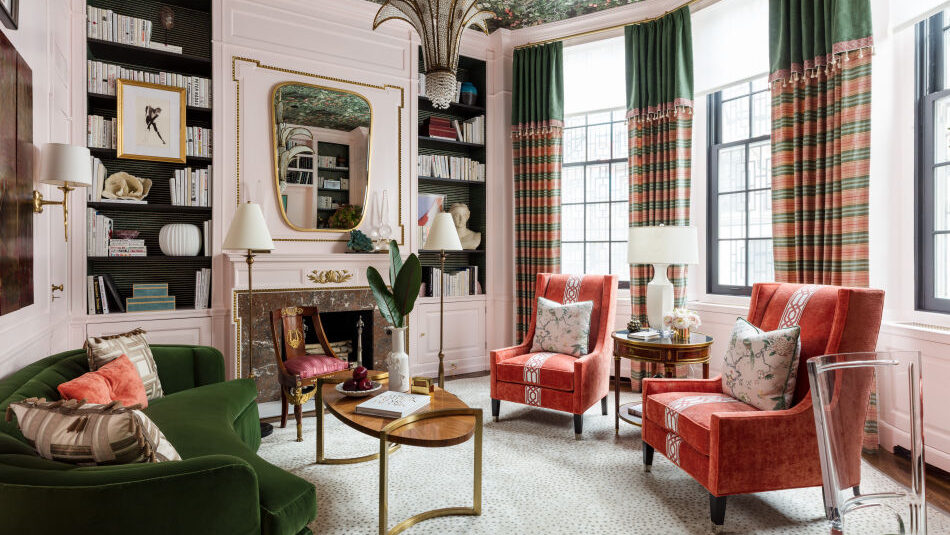
The maximalist living room is not a room full of things. It’s a room where every decision is made with full commitment — where the patterns, colors, textures, and objects all exist at the volume they require rather than at the reduced volume that caution usually produces.
The Wallpaper Decision
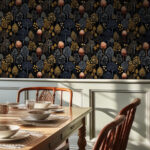
Painted Paper’s Odette Arboretum — metallic botanical on black with gold and dark bronze — is their most-reviewed product and sets the room’s visual register at full commitment. Under warm lamplight the metallic elements do something flat paint never can.

For a warmer, less stark approach: Painted Paper’s Wren — gilded botanical trees on midnight — creates depth and visual richness with underlying warmth from the gold tones.

From Lemon Park, Maven — large-scale, rich, botanically complex — creates maximalist visual density with organic warmth.

Also from Lemon Park: Enchanted Garden — deep botanical complexity that creates an environment rather than a surface.

The Art

Browse all Anthem Classic metal wall art →
Pattern Mixing: The Three-Scale Rule
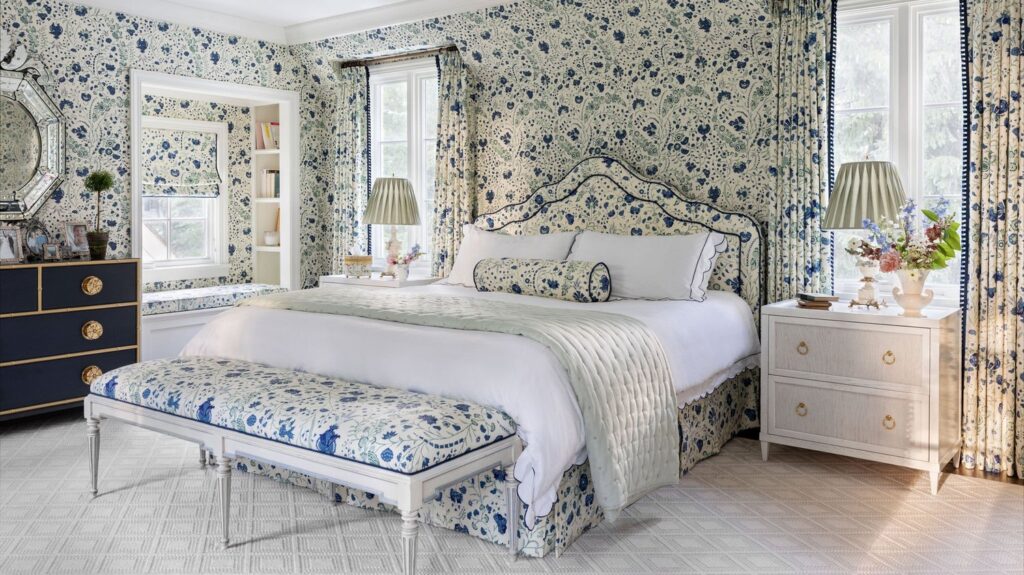
With the wallpaper, rug, and sofa established, remaining pattern elements should follow the three-scale rule: one large-scale pattern, one medium-scale, one small-scale or texture. Patterns should share a color palette rather than matching exactly — collected looks, not coordinated ones.