There are fabrics that belong to a specific moment and fabrics that belong to every moment. Linen is the second kind. It's been woven into domestic interiors for thousands of years, from the same plant, in more or less the same way. And yet here in 2026, it feels more of the moment than it …
There are fabrics that belong to a specific moment and fabrics that belong to every moment. Linen is the second kind. It’s been woven into domestic interiors for thousands of years, from the same plant, in more or less the same way. And yet here in 2026, it feels more of the moment than it has in decades.
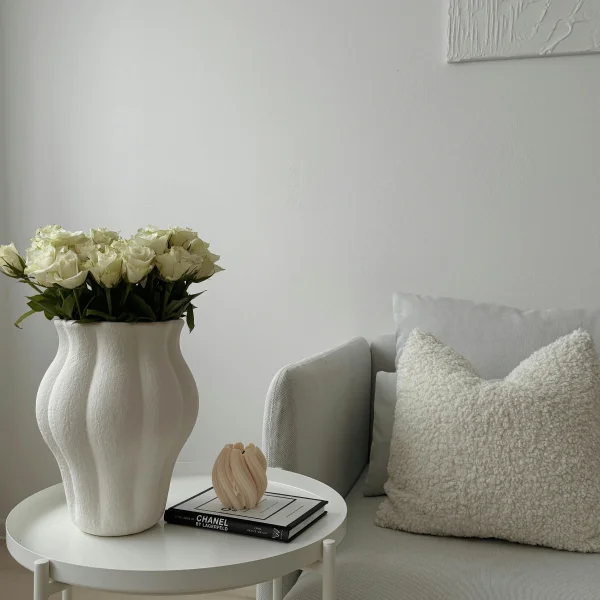
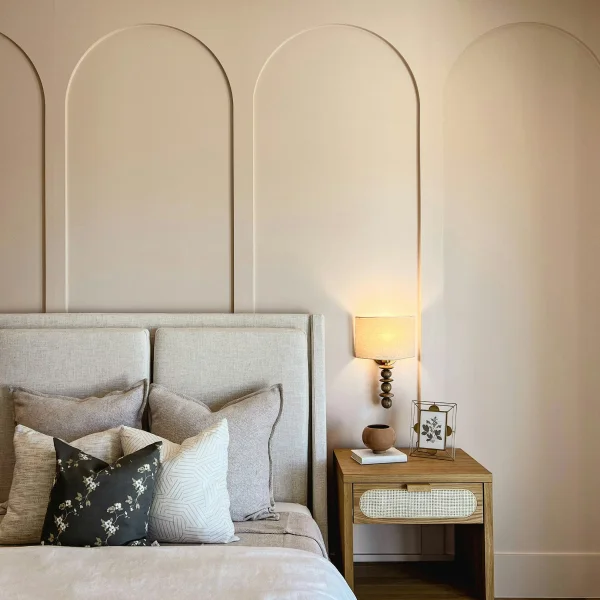
It’s on the sofa. It’s the curtains. It’s the bedding, the table runner, the throw on the armchair. In rooms at every price point and every aesthetic — from quiet luxury to warm maximalism — linen is the common thread. The question worth asking is why, and what to actually do with it.
Why Linen Is Winning
Quiet luxury has evolved into something warmer, softer, and more tactile — and linen is the fabric that most precisely captures this shift. It’s the material equivalent of what the whole design moment is trying to do: feel expensive without trying too hard, feel natural without being precious about it, feel like it’s been there a while even when it hasn’t.
Linen also has a quality almost no other fabric does: it looks better wrinkled. A pressed linen sofa looks good. A lived-in linen sofa, slightly creased from an afternoon of use, looks great. In an era when the most admired rooms are the ones that feel genuinely inhabited, that’s a significant advantage.
In 2026, texture is no longer an accessory — it’s the foundation of interior design. Linen’s texture — that particular weave that catches light differently depending on your angle — does exactly that work. It gives a room depth that flat, smooth fabrics can’t.
Where to Use It
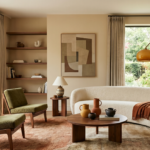
Sofas and upholstery. A linen sofa in natural, oatmeal, or stone is one of the most reliable investment decisions in home furnishing right now. These colors have no trend expiration, and quality linen upholstery only softens and improves with use. Choose a tightly woven linen blend for upholstery — loose-weave will pill and snag faster than you want.
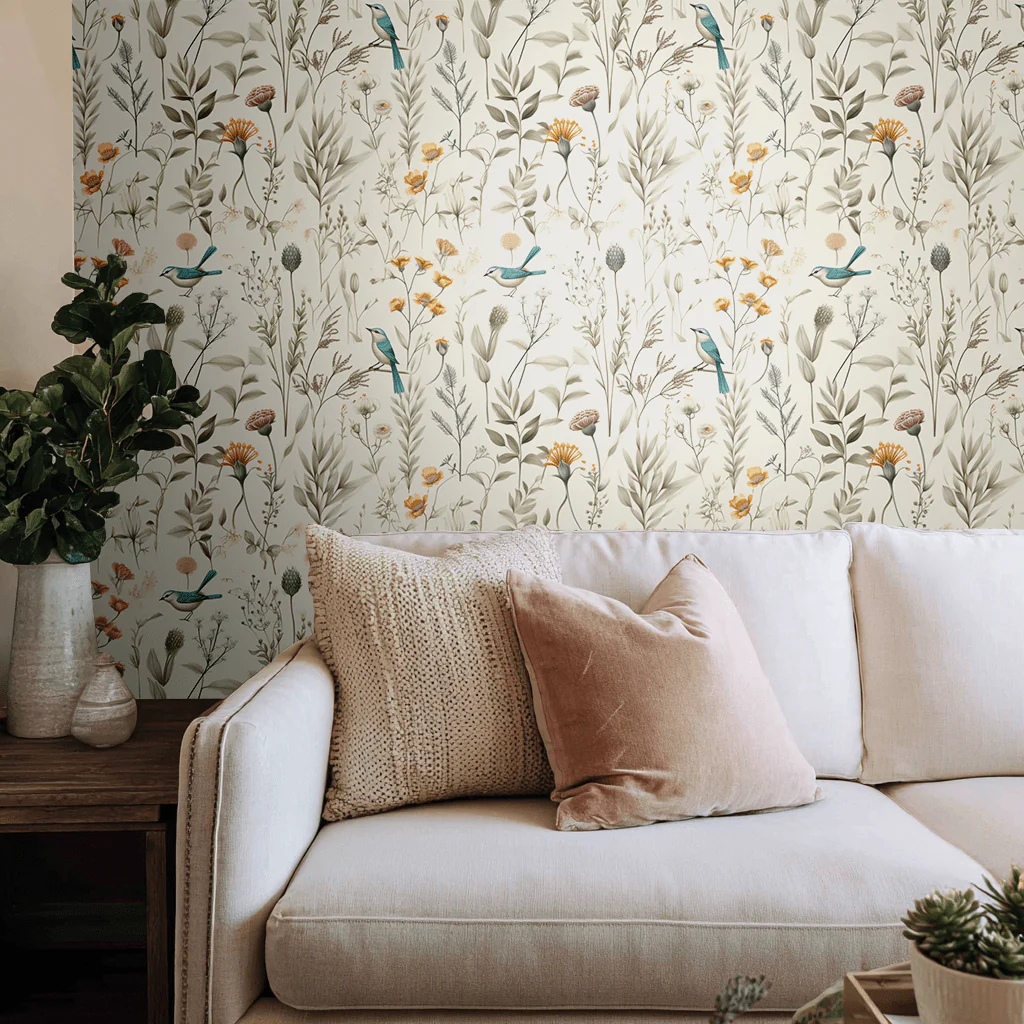
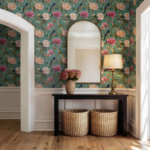
Trish Woodland by Painted paper
→ Painted Paper Trish Woodland Wallpaper
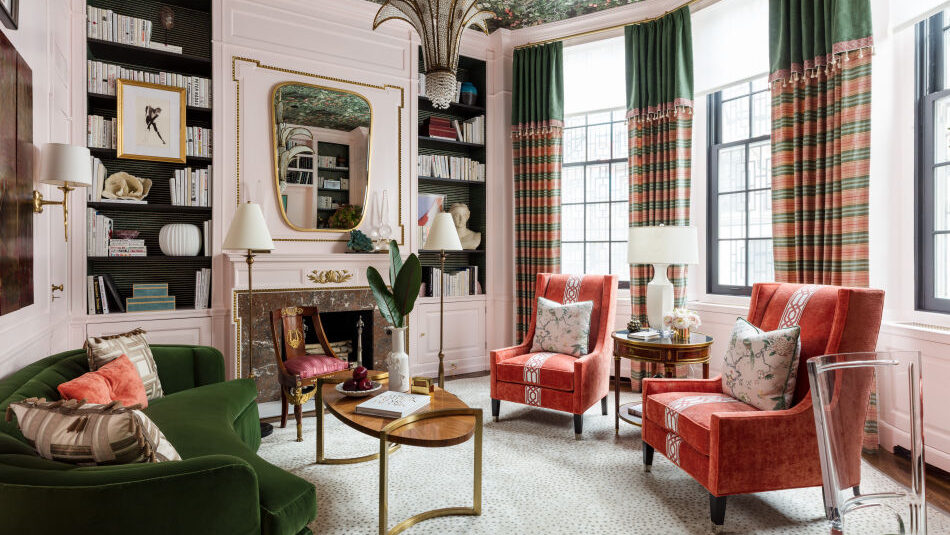
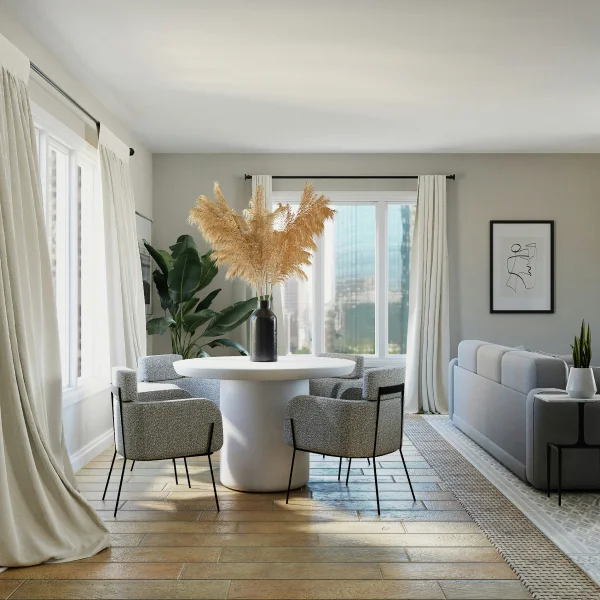
Curtains. Hung high and wide — above the window frame, as close to the ceiling as possible — linen curtains are one of the most transformative things you can do to a room. They make ceilings taller, windows larger, rooms calmer. Natural undyed linen works in essentially every room and palette.
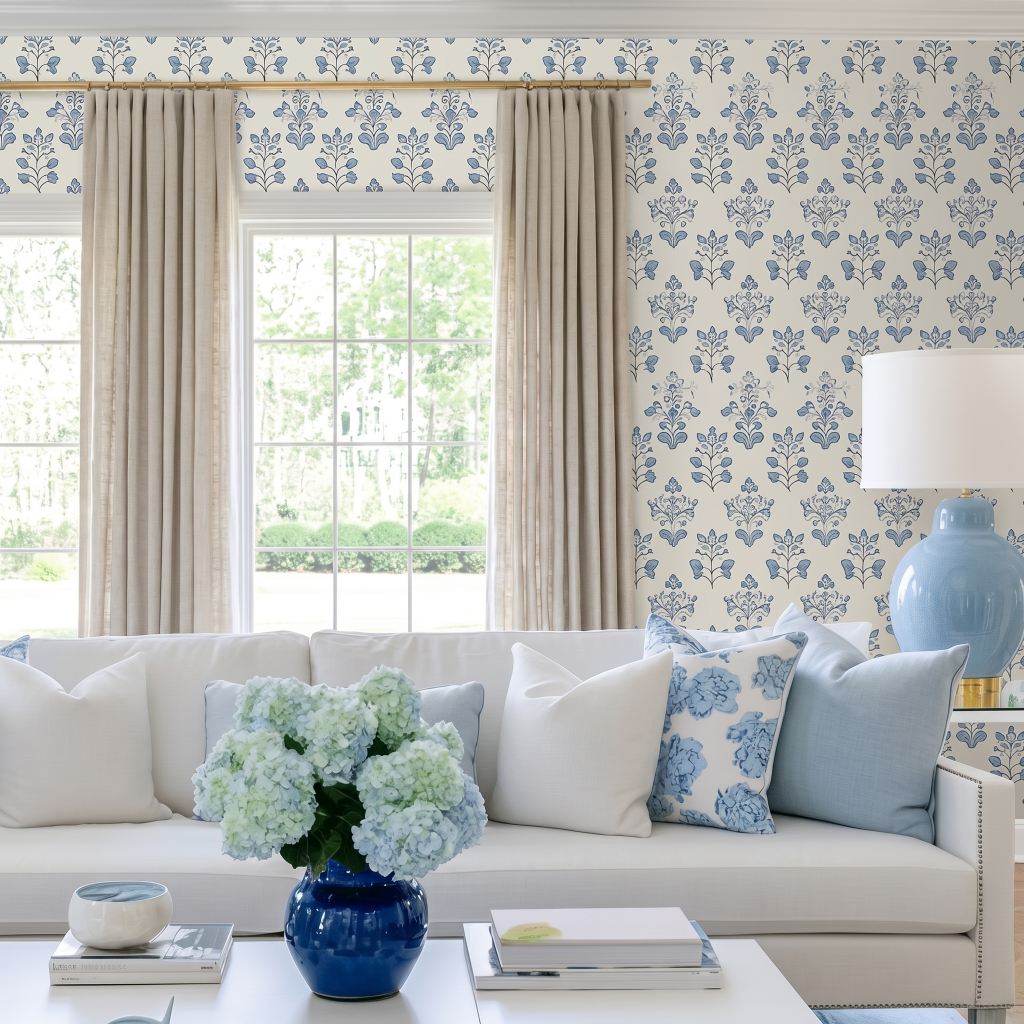
Capri Blue by Lemon Park
→ Lemon Park Capri Blue Wallpaper
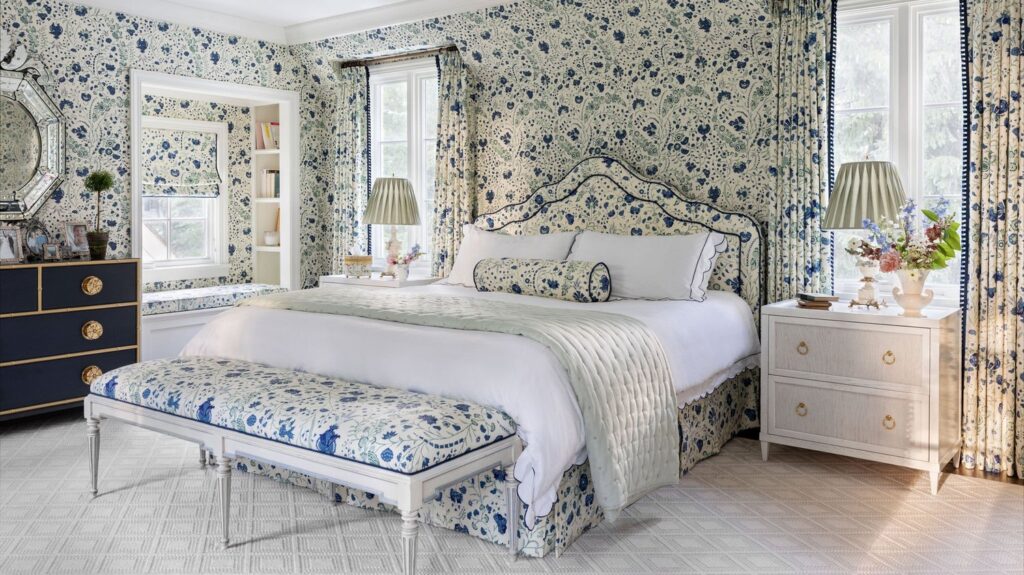
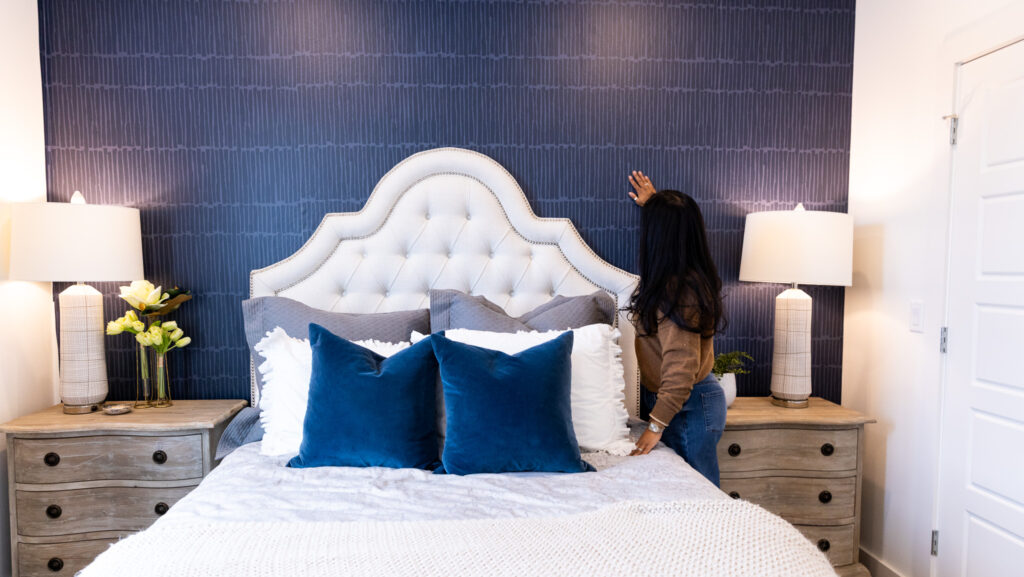
Bedding. The case for investment is real: linen bedding softens with every wash, regulates temperature better than cotton, and makes a bed look considered even when it isn’t fully made. The entry price is higher than cotton; the longevity argument more than compensates.
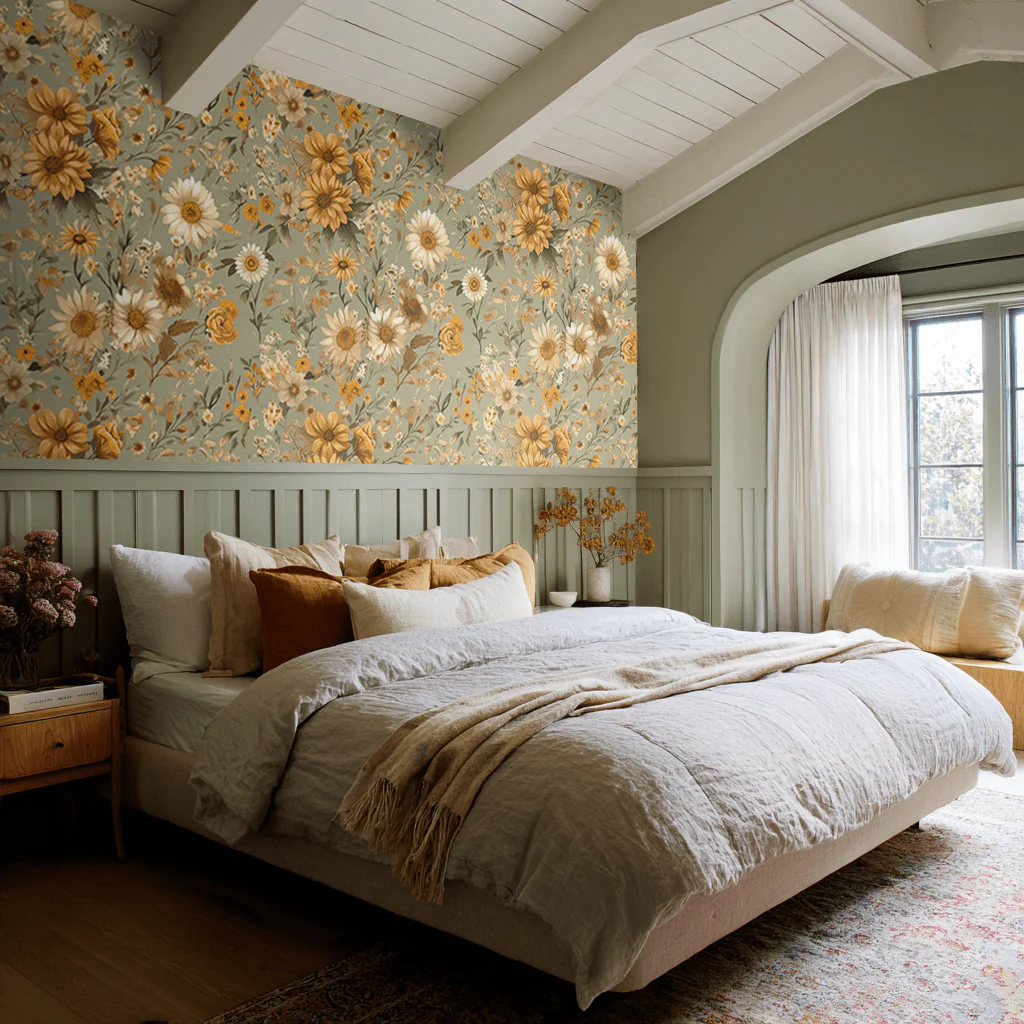
Farmhouse blooms by Painted paper
→ Painted Paper Farmhouse Blooms Wallpaper
Small applications first. A set of linen napkins changes the feel of a table setting more than almost any other single element. If you’re not ready to commit to upholstery, napkins and table runners are the lowest-risk entry point.
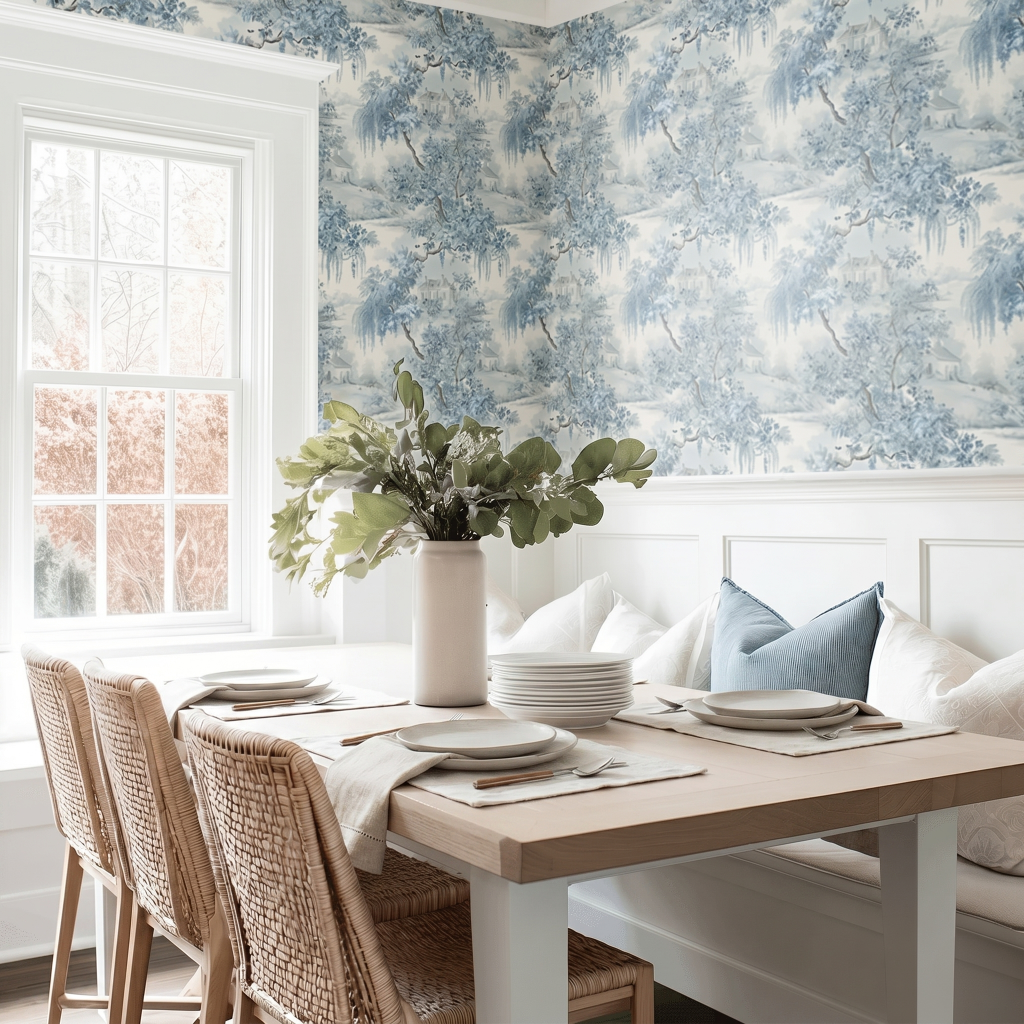
Blue Willow by Painted paper
→ Painted Paper Blue Willow Wallpaper
What You’re Paying For at Each Price Point
At the lower end — linen blends — you’re getting a mix of linen with cotton or polyester. Good for cushion covers and table runners. At the mid range, higher linen content, better dye, tighter weave — right for bedding and curtains. At the high end, Belgian or French linen, stonewashed, pre-softened, with a drape and hand-feel noticeably different from anything below it. For upholstery you intend to keep for a decade, that investment makes sense.
How to Avoid Looking Like a Concept
The risk with all-linen rooms is airlessness — every surface in the same material, every color within the same two-shade range. The room starts to look like a mood board rather than a home.
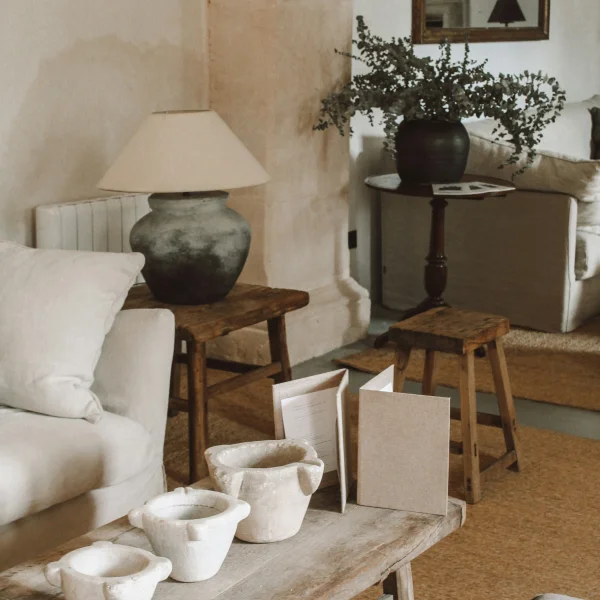
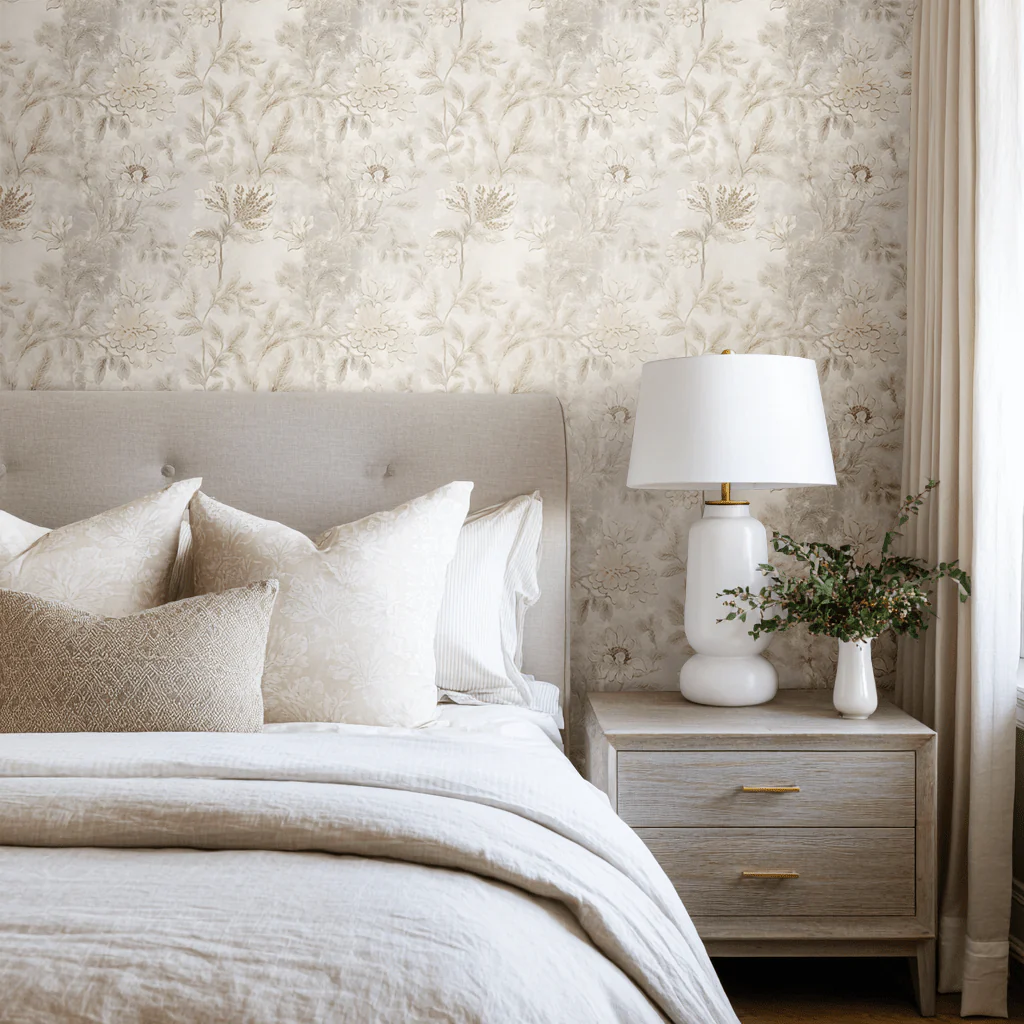
The fix is contrast: linen against the warmth of natural wood, the coolness of stone or ceramic, the depth of a different-textured rug. A piece of dimensional wall art provides exactly the kind of material contrast that keeps linen from going monotonous. Anthem’s hand-welded metal, with its warm patinated surface, creates a conversation between hard and soft that neither material could have alone. Pair that with Lemon Park’s tonal botanical wallpaper in a room where the walls need more texture than paint can provide, and the linen room stops reading as a concept and starts reading as a home.
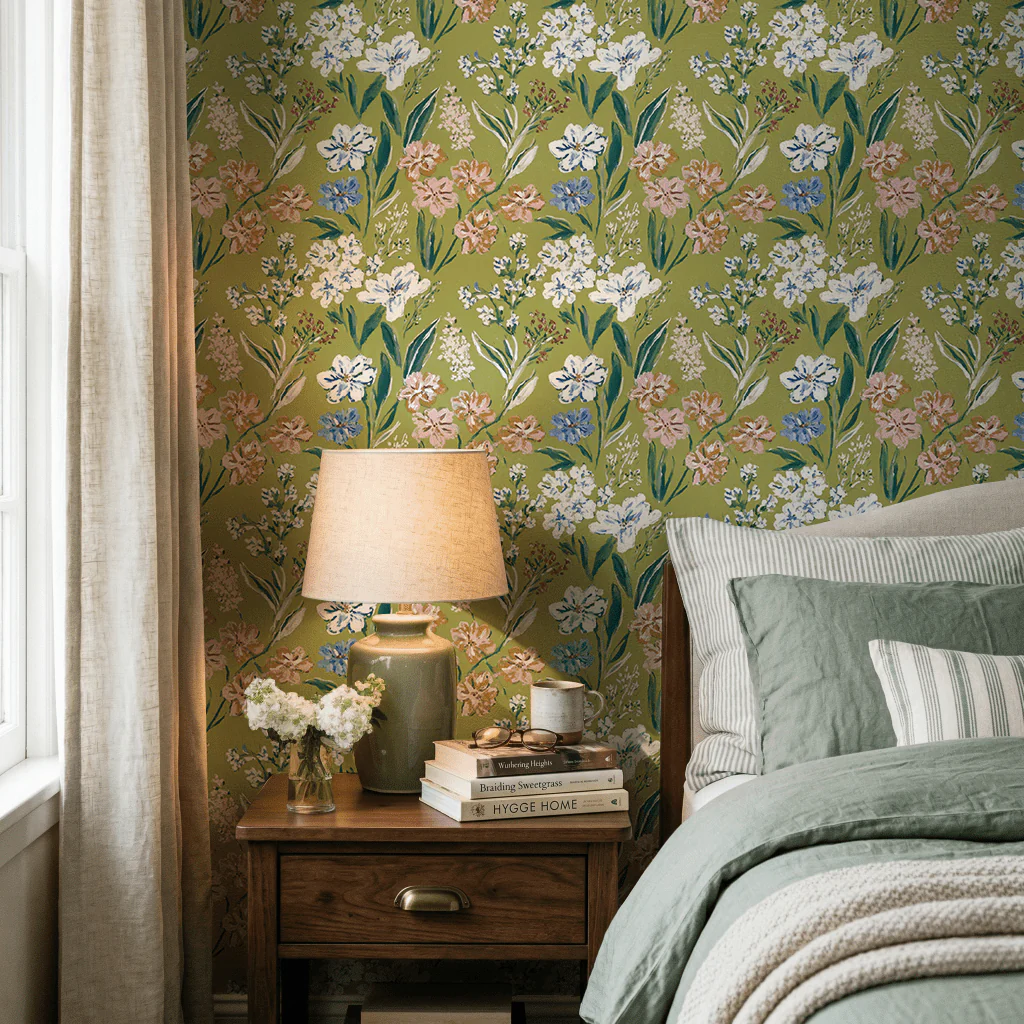
Ondine By lemon park
One final note: buy linen curtains longer than you think you need. Pooling slightly on the floor, they look relaxed and intentional simultaneously. Hemmed precisely to the floor, they look safe. Let them breathe.