Making a small space feel larger doesn’t require a full renovation—just smarter design choices. From strategic furniture placement to optical illusions that expand visual square footage, designers share the tricks that instantly open up any room.
Most of us want homes that feel comfortably spacious, not overwhelmingly large or oppressively small. But the way a space feels has more to do with design than it does with square footage. “The feeling of spaciousness is mostly about perception,” says Isfira Jensen, CEO and principal designer at Jensen & Co. Interiors. “This is why two rooms with the same dimensions can feel completely different in size.”
Many people see a small space and go even smaller, favoring low-profile furniture and unassuming decor. But designers say this is one of the biggest mistakes you can make. “Hesitation can actually make a room feel more [confined] because nothing has presence,” explains Kati Curtis, principal designer at Kati Curtis Design. Constraints are an inherent part of design. But when you give in to them fully, you risk showcasing your home’s limitations more than its strengths.
The key is to create a space that feels great to be in—one that welcomes people in, invites them to move around freely, and doesn’t shy away from making a statement. “Really, it’s about more than size,” Curtis says. “People want their homes to feel breathable, gracious, and emotionally generous. Even compact rooms can feel expansive when they’re designed in a way that draws you in, rather than reminding you of their limitations.”
Play With Color
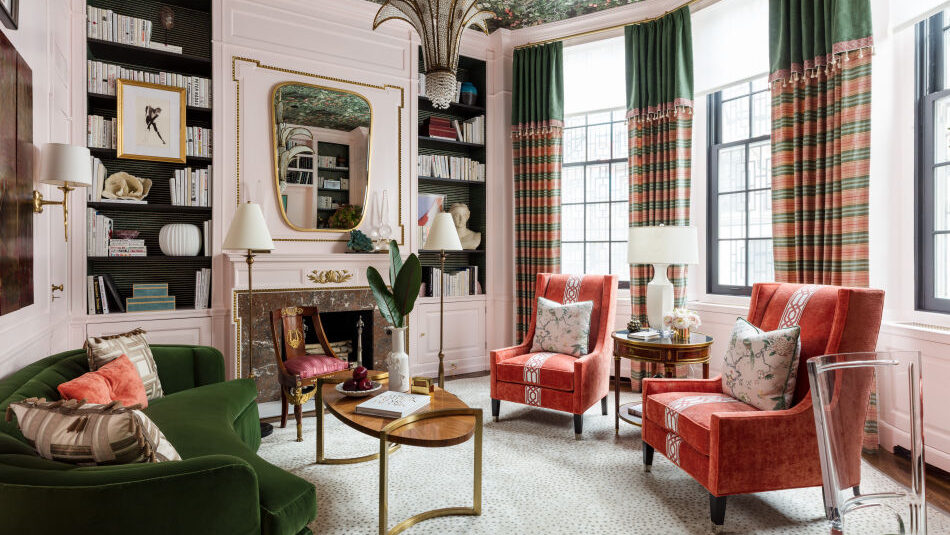
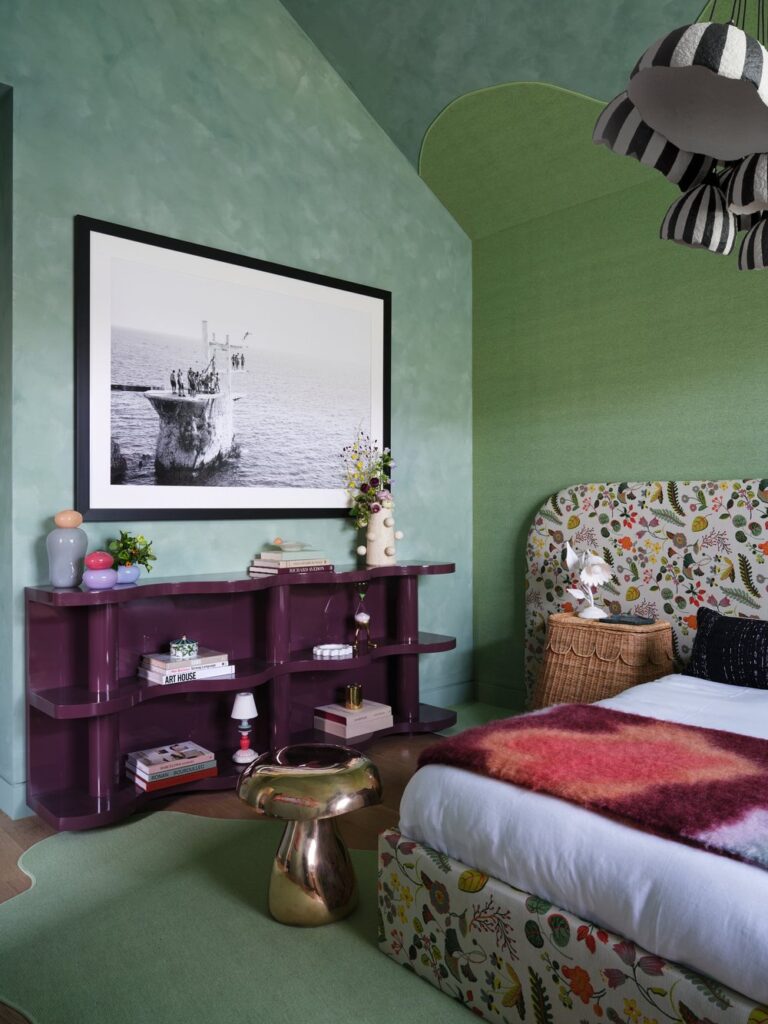
When decorating a small space, it’s tempting to play it safe—white walls, sleek pieces, minimal decor. But designers say this timidity isn’t necessary, especially when it comes to your palette. “Use rich, saturated color,” Curtis says. “Darker, more enveloping tones make a space feel more expansive. Instead of feeling stark or claustrophobic, the room feels immersive and confident.”
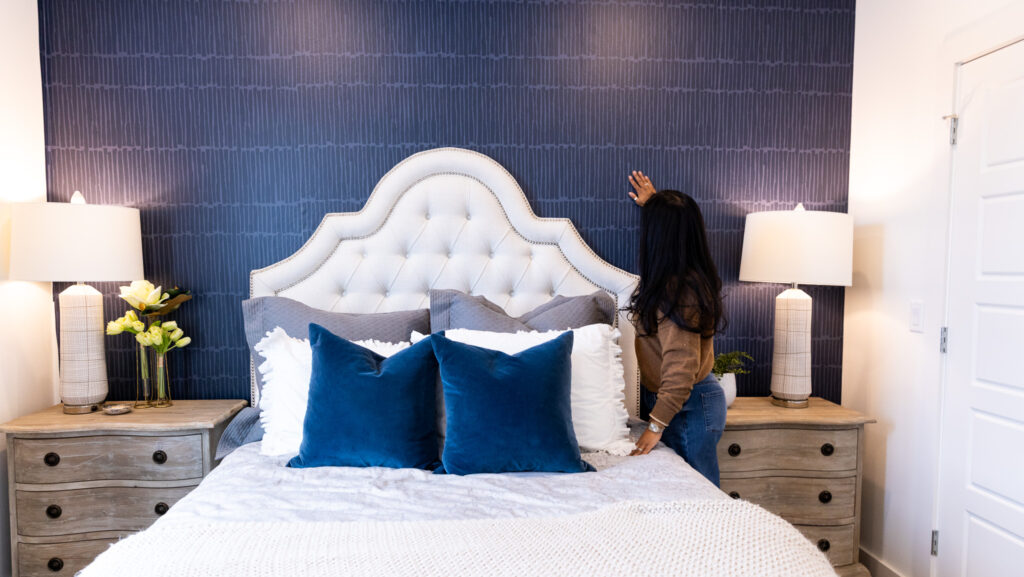
Sarah Tract, founder and principal designer at Sarah Tract Interiors, agrees. “Wallpaper or color drenching is a great way to make a space feel bigger,” she says. Bold choices tend to make spaces feel confident, rather than constrained. When in doubt, “use color with conviction” and “give the room a stronger point of view,” Curtis suggests.
Create consistent motifs
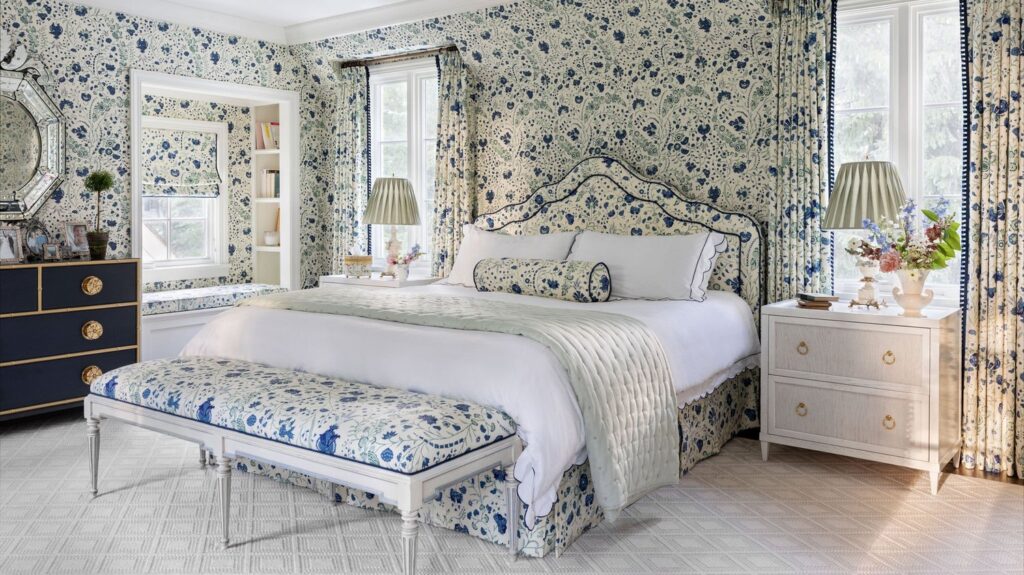
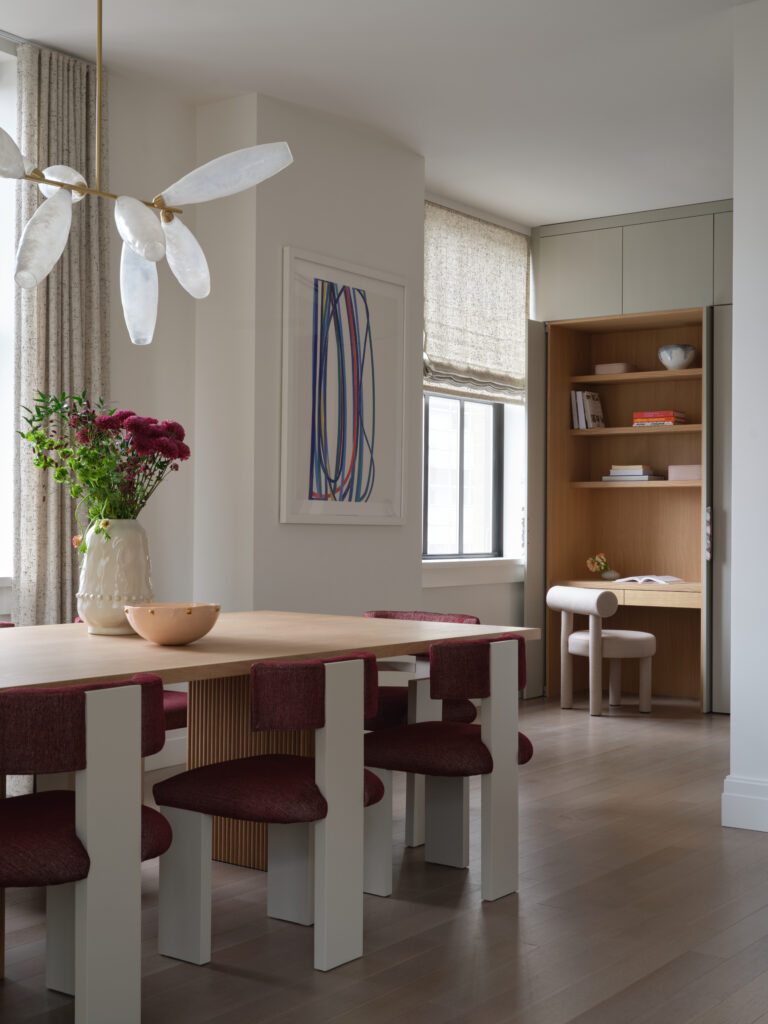
Cohesive design elements visually connect the rooms in your home, allowing them to flow together and make your space feel bigger. You can ensure your paint, trim, and flooring is consistent from room to room, suggests Kristy Salewsky, founder and principal designer at Crew Collective Design. Or you can focus on using similar colors and materials in your decor, Jensen says.
Echo live-edge furniture with wooden frames and bowls, nod to printed rugs with patterned pillows, or sprinkle the same color family throughout your home. “When you focus on the entire space as a whole, [it] becomes much more open, reading as a cohesive environment,” Tract explains.
Choose comfortably sized furniture
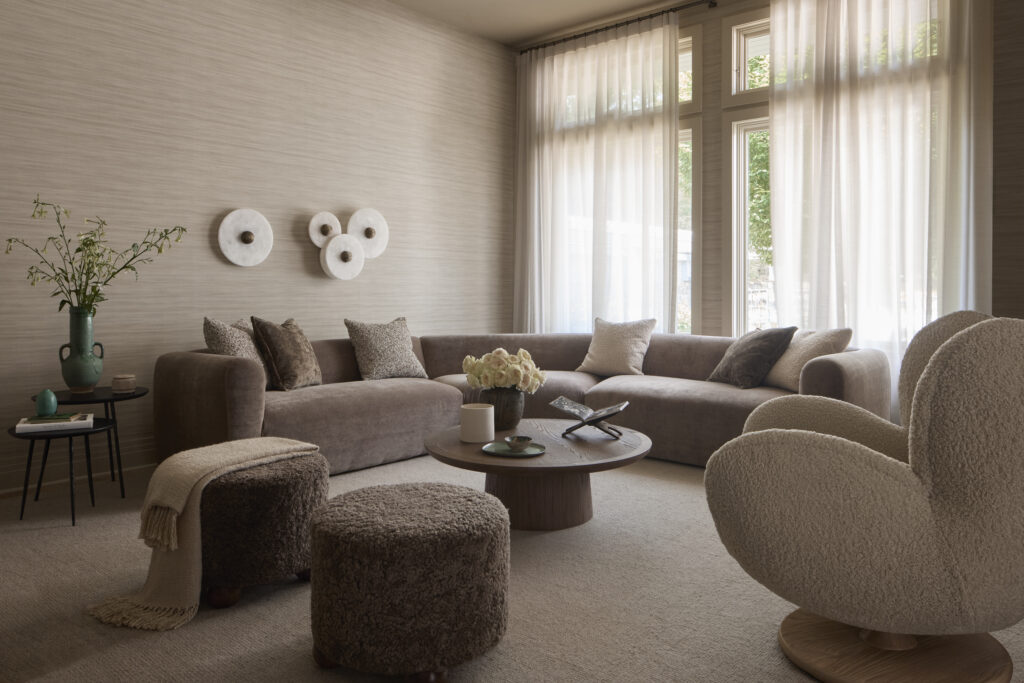
One surefire way to shrink a room? Choosing furniture that’s too big—or too small. Bulky furniture can make a tight space feel cramped. And diminutive furniture often has the same effect. “A common mistake I see is choosing a rug that is much smaller than the seating arrangement,” says Steph Schlegelmilch, founder and creative director at Studio Seva. “When the furniture doesn’t sit on the rug, it makes a room feel tighter than it actually is.”
The goal, designers say, is to prioritize comfort. “If the coffee table is within arm’s reach of the sofa, the armchair is at a conversational distance, and the television is at an ergonomic height, the room feels comfortable,” explains Leah Hook, founder and principal designer of Gray Oak Studio. “When a room is comfortable and functions easily, it feels larger.”
Maximize natural light
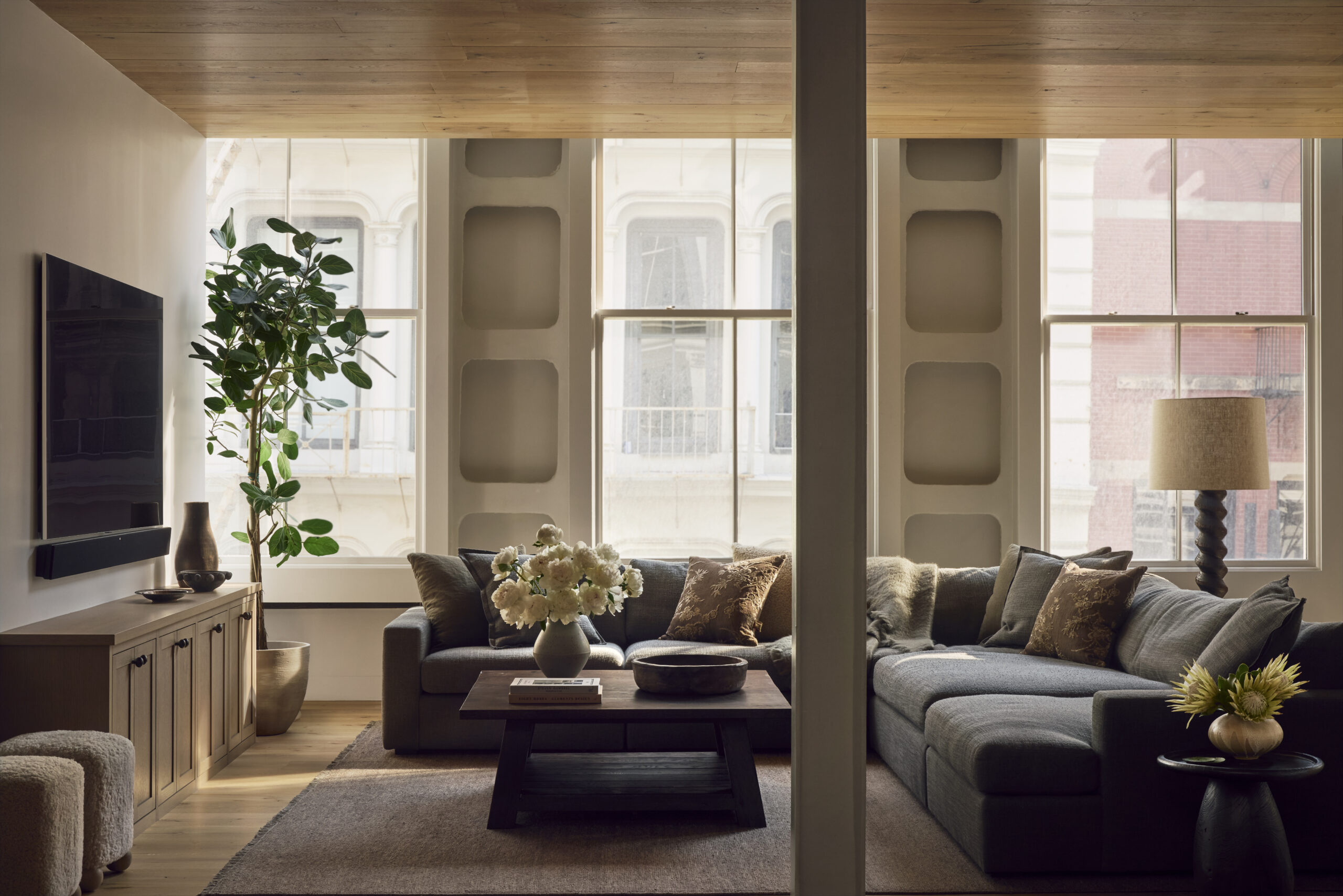
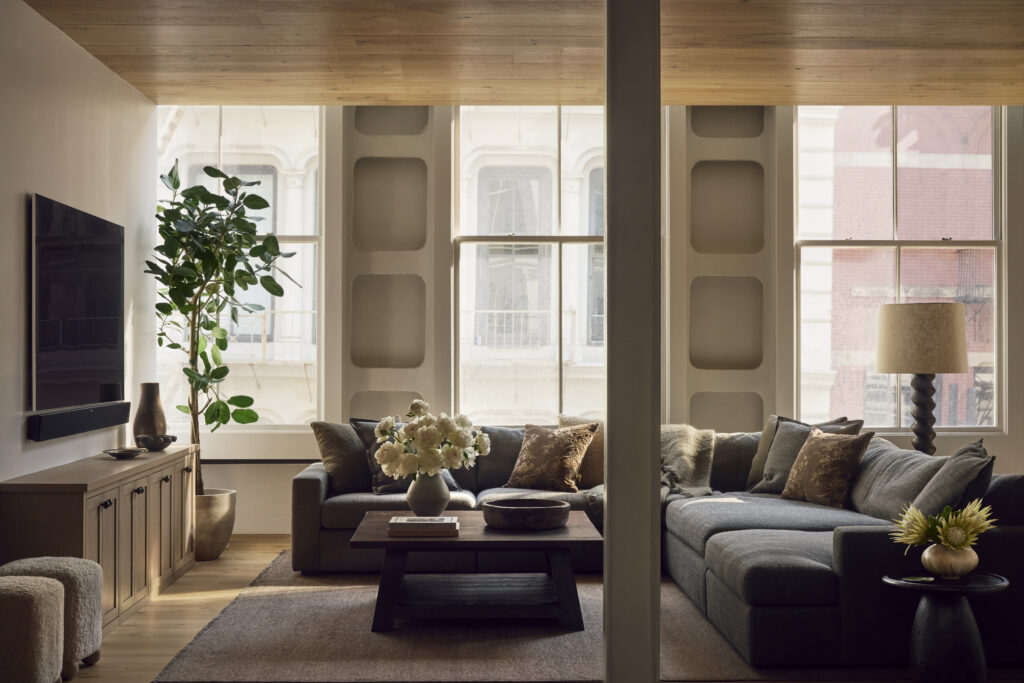
Another way to make your space feel bigger is to let in lots of light, says Kyle Landis of Landis Architects. But this has more to do with openness than brightness. “Our brains are naturally inclined to follow sightlines,” says Brieanna Cunningham of C&C Partners. “So if they can peer into a garden, a side yard with an interesting tree, or even the end of a long hallway, the space immediately feels larger than an enclosed one.”
As you look around your home, notice whether anything interrupts your view—a bookshelf, a lush tree, a bulky floor lamp. Moving these items could open up your space. “When your eye can travel across a room and into adjacent areas without visual barriers, the space immediately feels more open and expansive,” Landis explains. “Interior glass and thoughtful furniture placement allow light to move through the home, visually extending the boundaries of the room.”
Simplify your layout
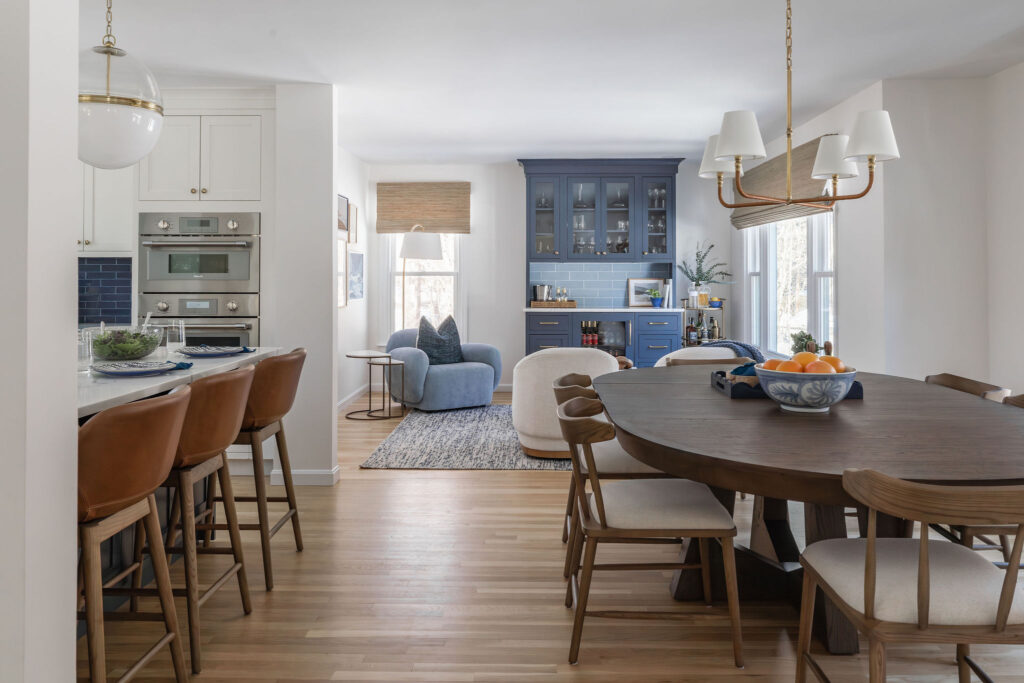
In small spaces, it’s common for rooms to do double duty—think: a kitchen with a built-in dining room, or an office that converts to a guest suite. But designers recommend making rooms multifunctional without visually divvying them up. “When a room is broken into multiple small zones, the eye stops repeatedly, which makes the space feel tighter than it actually is,” Landis explains.
If your home feels crowded or cluttered, consider whether your layout is to blame. “A common mistake is oversegmenting a space with too many walls, bulky furniture pieces, or heavy visual elements,” Landis says. His solution: Streamline your layout, pare back on furniture, and keep design elements consistent throughout your space.
Draw the eye up
Height is an essential part of a room’s footprint, especially when square footage is limited. “Ignoring the vertical landscape of a room will make it feel smaller,” Hook says. “Your room is three-dimensional, not flat. Bring function and interest to all dimensions, and it will instantly feel bigger.”
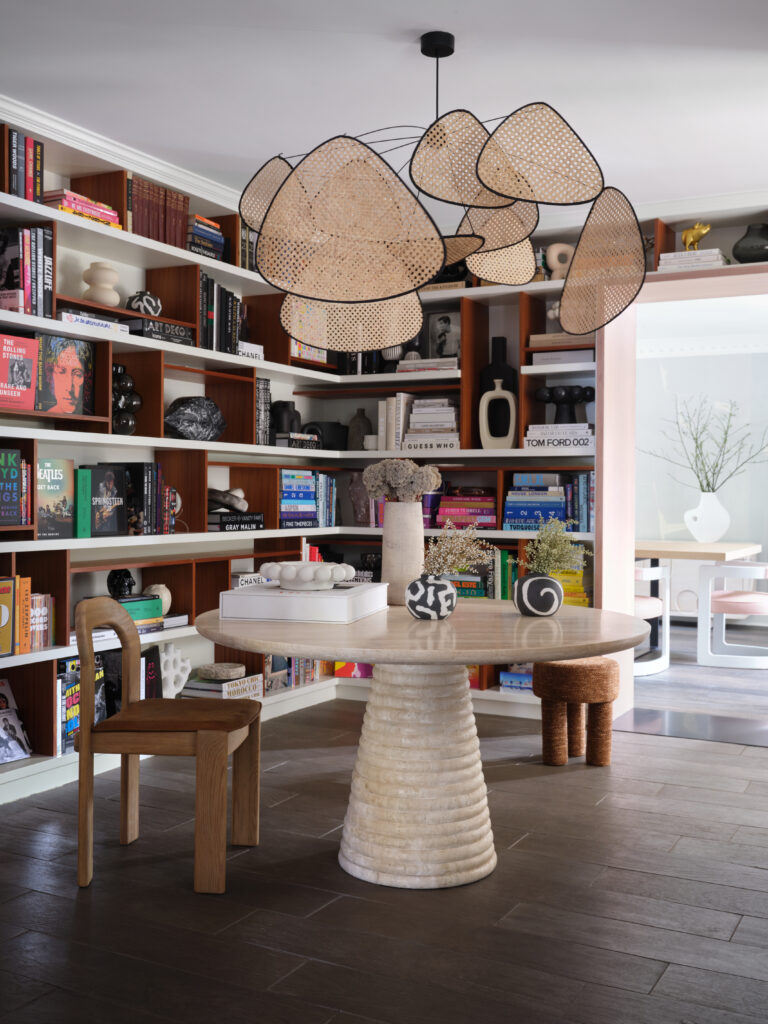
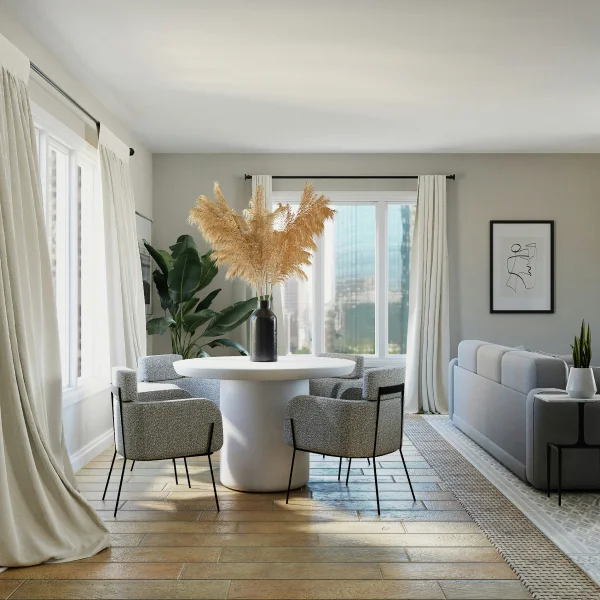
There are a number of ways to do this. Drapes hung from the ceiling, art stacked on a wall, or tall decorative accents—like plants and armoires—can accentuate a room’s height. Chandeliers can invite the eye up. And furniture with sleek legs can keep the focus off the floor. “When all furnishings are four feet or lower, the eye stays four feet or lower,” Hook explains. “When drapes, millwork, art, a tall cabinet, or even an indoor tree fill the vertical space, a room instantly grows.”