Once dismissed as outdated, these design aesthetics are making a confident return—this time with a fresh, modern edge. From nostalgic finishes to statement-making silhouettes, designers are reworking the past into spaces that feel both current and unexpectedly cool.
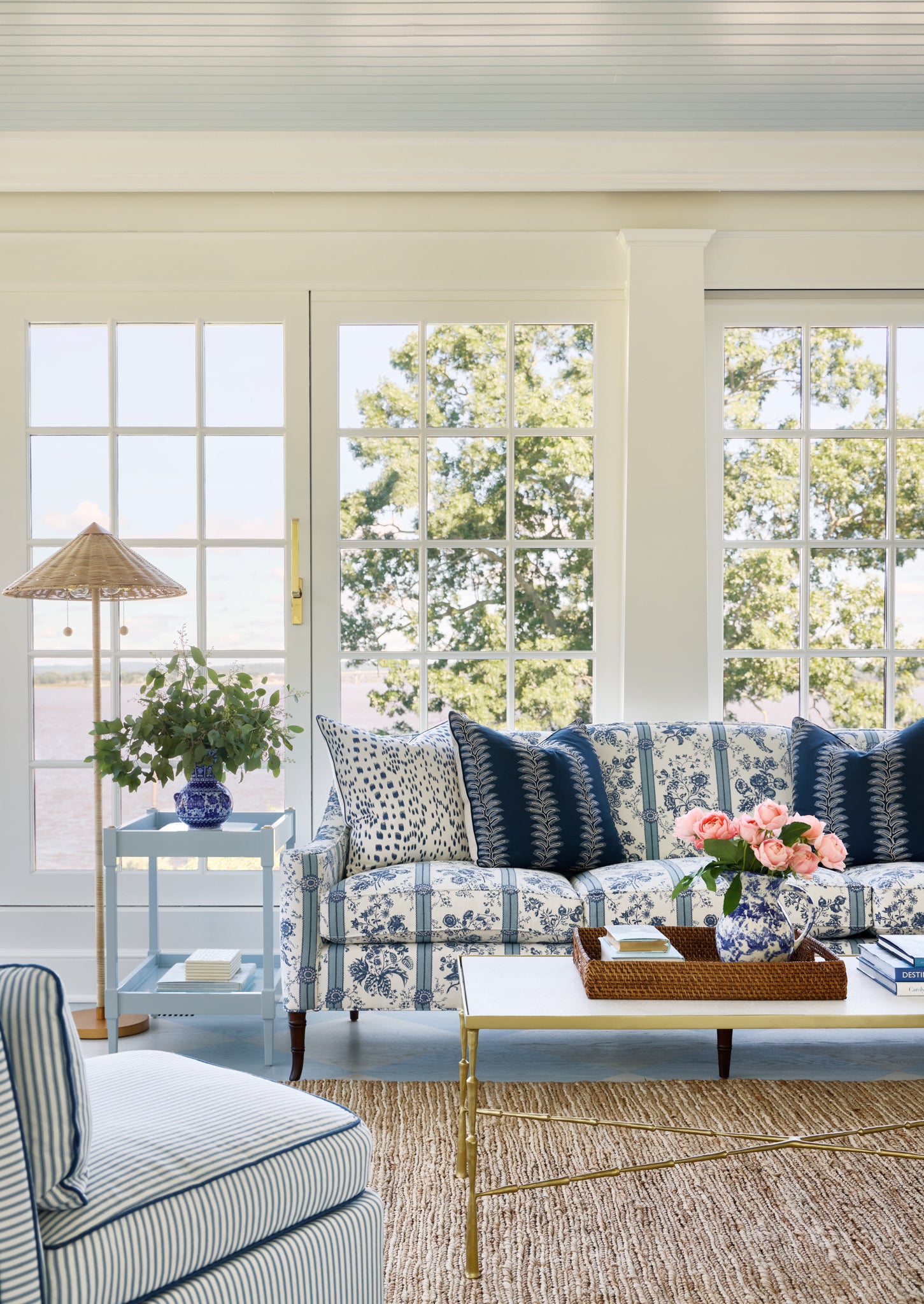
What’s old is new again. You know that old couch at your grandma’s home with the bold floral pattern? Well, your favorite octogenarian’s home decor is actually trending right now. We spoke with freelance interior designer Caroline Zamadics, an interior design expert based in South Carolina, to better understand what once-outdated design aesthetics are making a comeback. Read on to find out which old-fashioned design ideas are actually fashionable once again.
Embracing Color
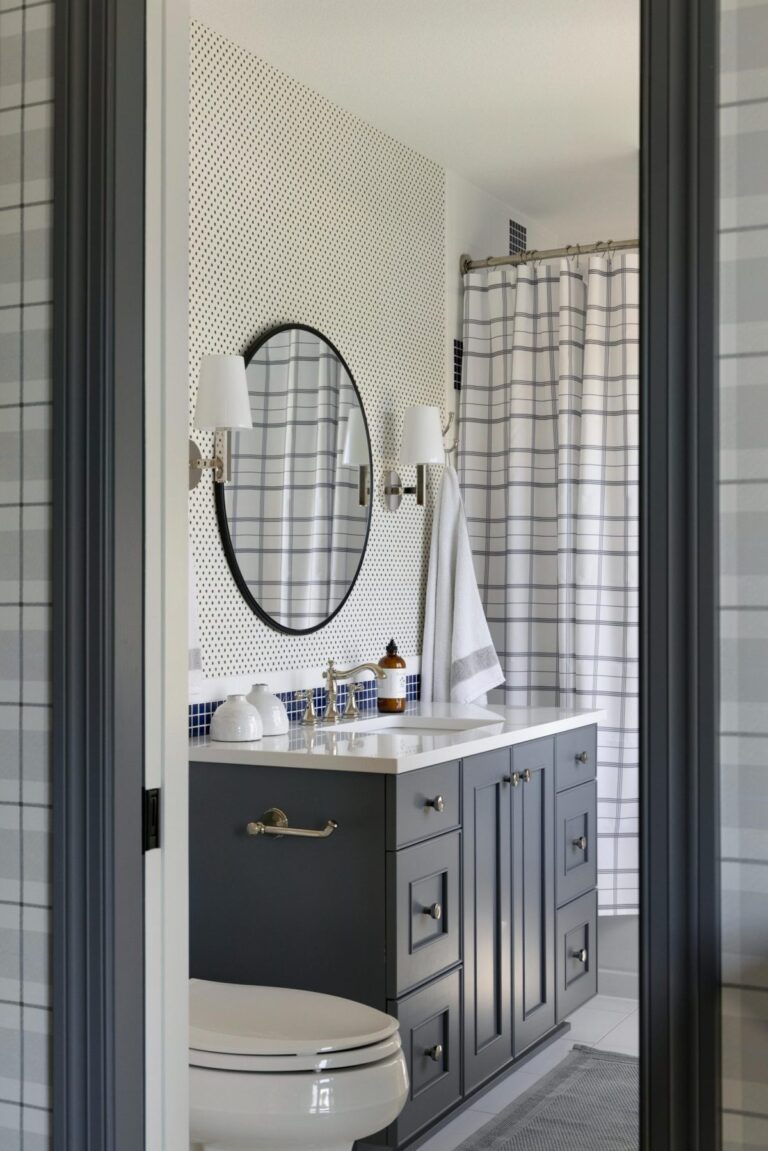
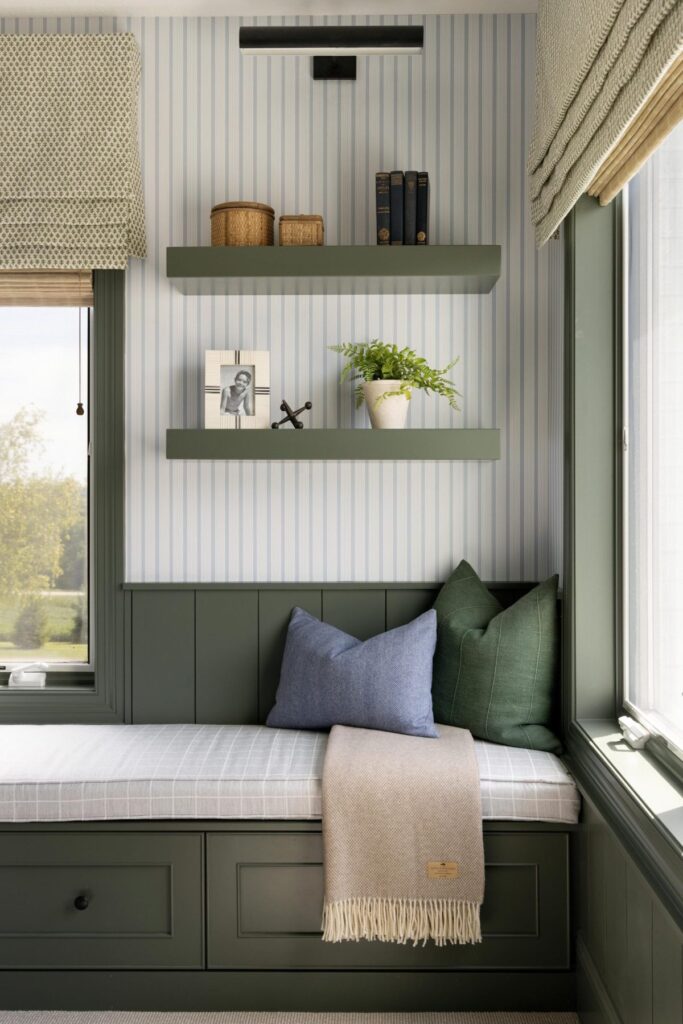
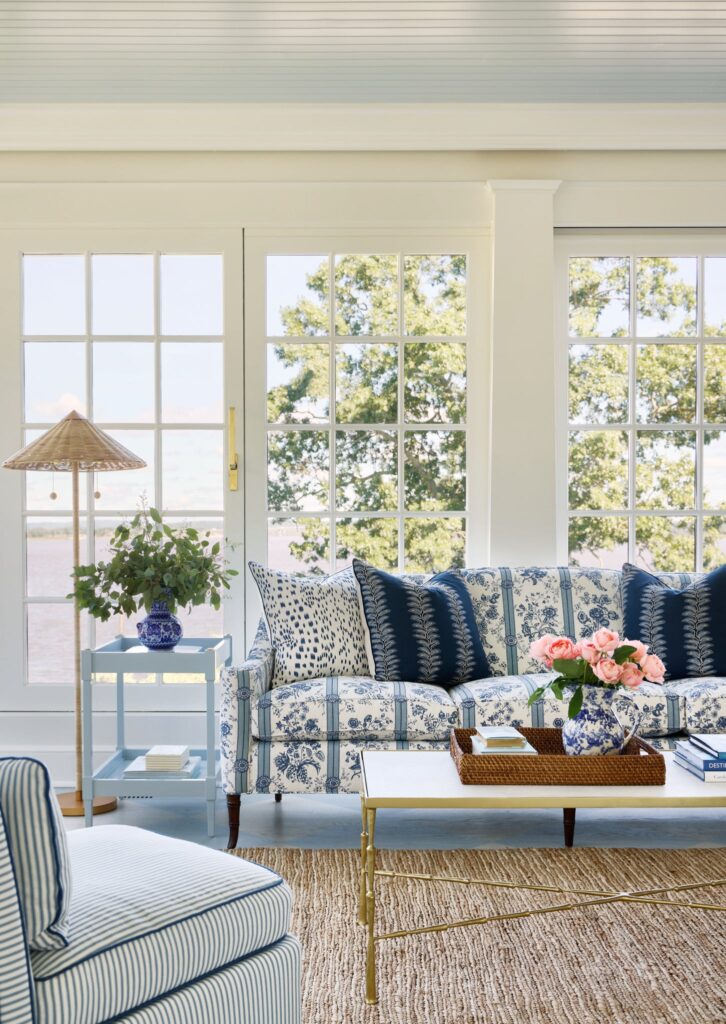
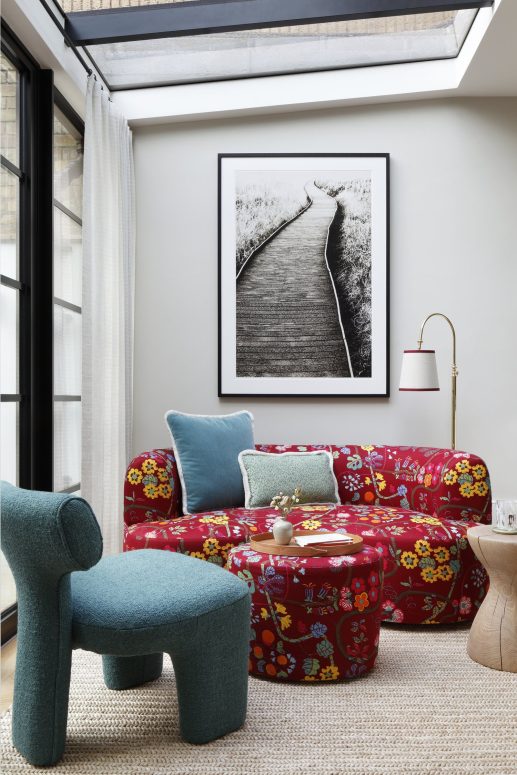
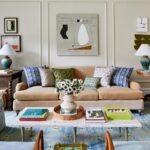
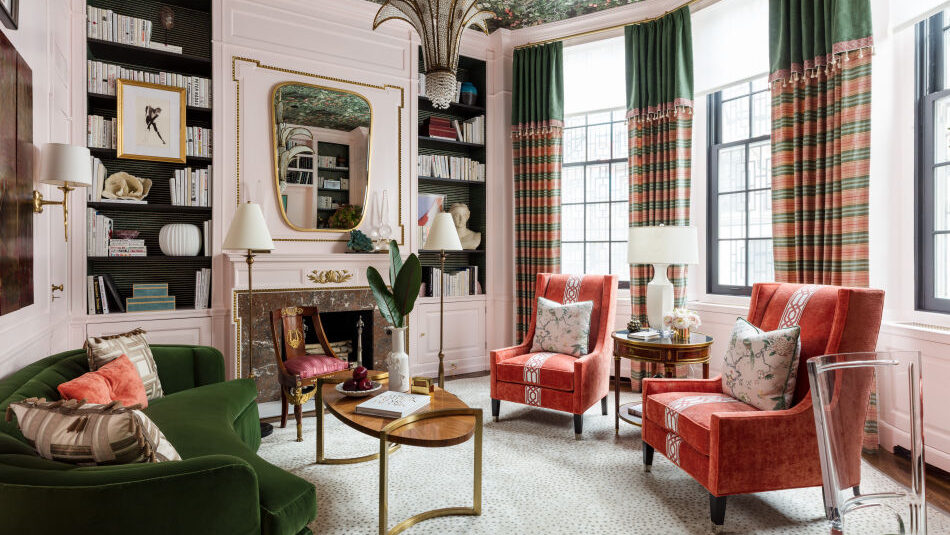
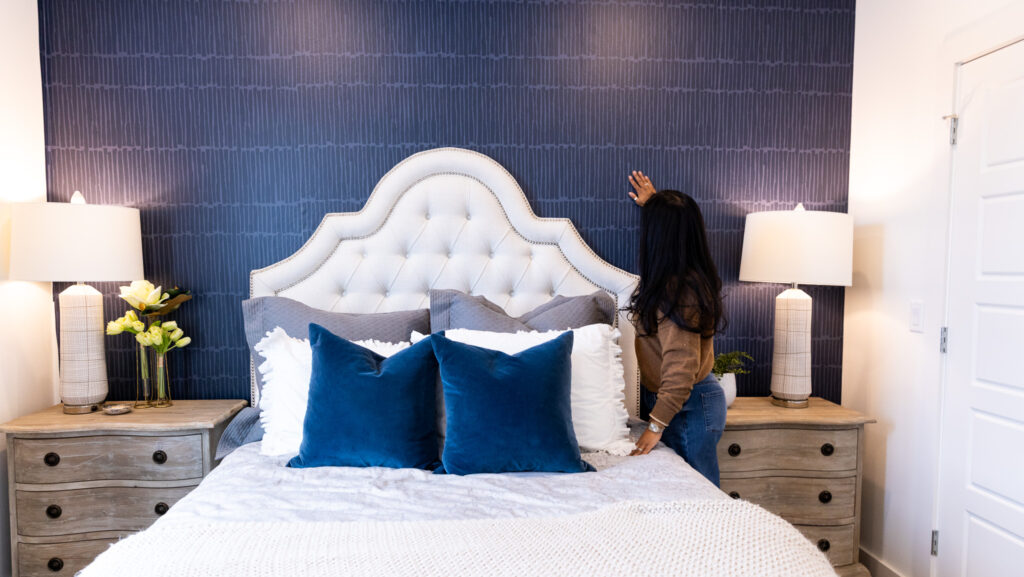
While neutral-forward minimalism reigned supreme for quite some time, designers are wholeheartedly embracing color these days. “We spent years with plain, modern designs being popular,” explains Zamadics. “So many of those spaces, while able to be beautiful, often lack personality and warmth. After having such a long period without that, we’re all craving a change.” Even in the world of neutrals, we’re seeing a shift toward hues like olive and navy acting as “colorful neutrals” to bring more depth to even ordinary places.
Prioritizing Nostalgia and Comfort
There’s a reason cottagecore experienced such a meteoric rise to fame—people want to feel comfortable and are doing so by leaning into nostalgia. Zamadics explains that the pandemic gave rise to this shift toward reminiscence and yearning for warmth. “We saw so many people pick up ‘granny’ hobbies during the pandemic, like baking sourdough bread or needlepointing. It was a way for people to unplug and get away from the uncertain reality that we were in. Finding tactile hobbies helped us feel grounded and brought comfort,” she says. “Now, a few years beyond the pandemic, but still feeling some unrest in the world, those same values are moving into our home designs. We find peace and comfort in the nostalgia of our childhood homes, so we’re finding tactile ways to bring that back and surround ourselves with that feeling.”
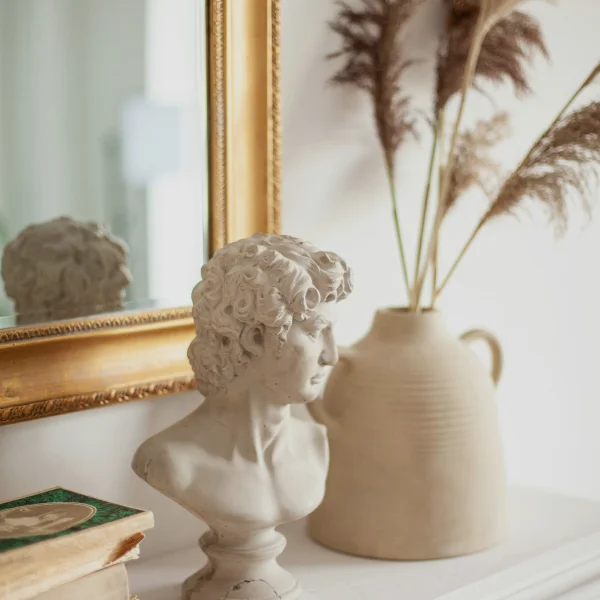
To embrace this idea, a key tenet is to balance both form and function. While ultra-modern designs celebrate form, they aren’t always the most cozy or functional. This concept, on the other hand, is all about creating a space that is as liveable as it is stylish. Practically speaking, the return of comfort and nostalgia looks like layering textiles, like crocheted throws and soft accent pillows, while also curating quaint collectibles and heritage-worthy pieces that tell a story. Ask yourself—would both my grandmother and I feel comfortable in this space? If the answer is “yes,” then you’re headed in the right direction.
Dark Wood Tones Inspired by the 90s
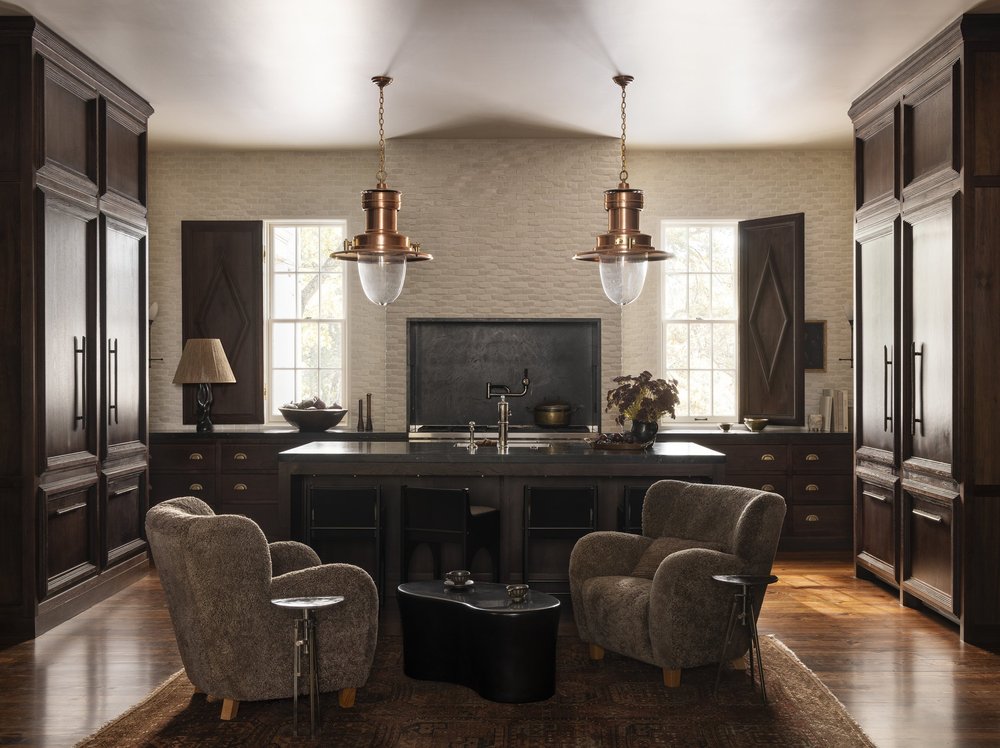
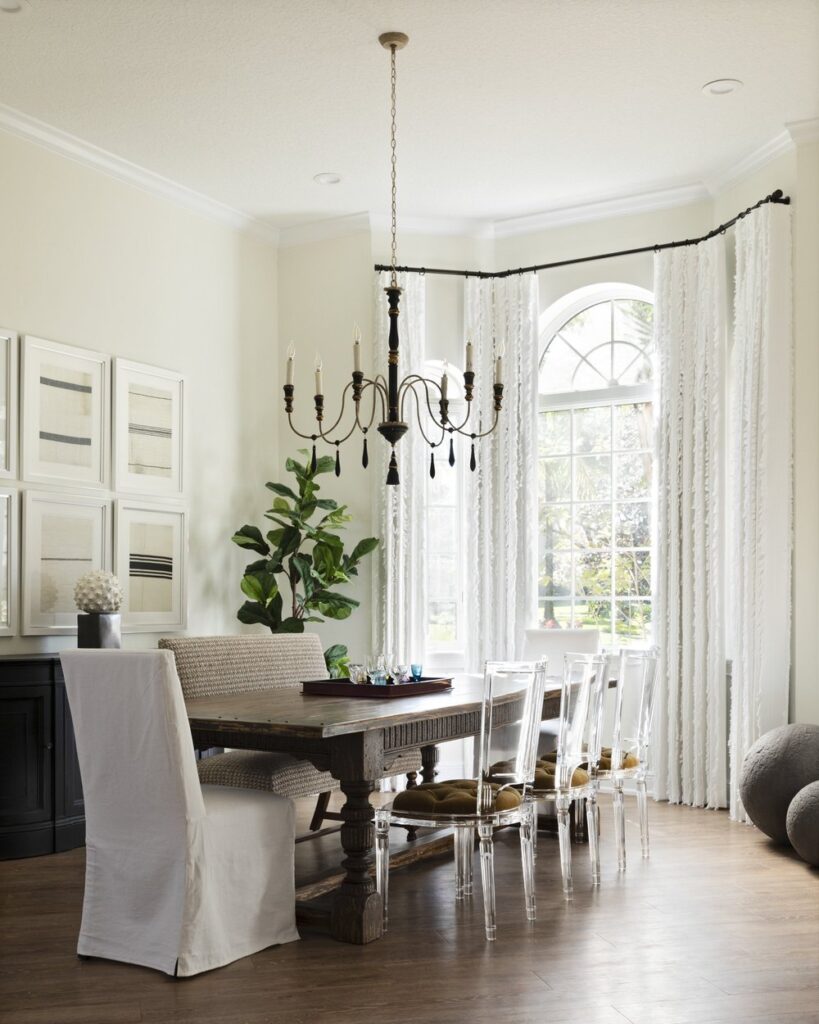
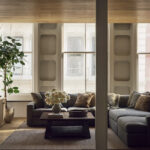
“I see links to the 90s influencing designs right now,” notes Zamadics. “Lots of darker wood tones, moodier colors, oversized furniture, and floral upholstery. Again, being pared down to feel fresh and modern.” Notably, cherry wood was seen in a lot of homes in the 90s and it’s making a resurgence. Walnut, mahogany, and oak pieces, made with nostalgia-worthy expert craftsmanship, are also highly sought after these days.
Floral Upholstery Inspired by the 90s
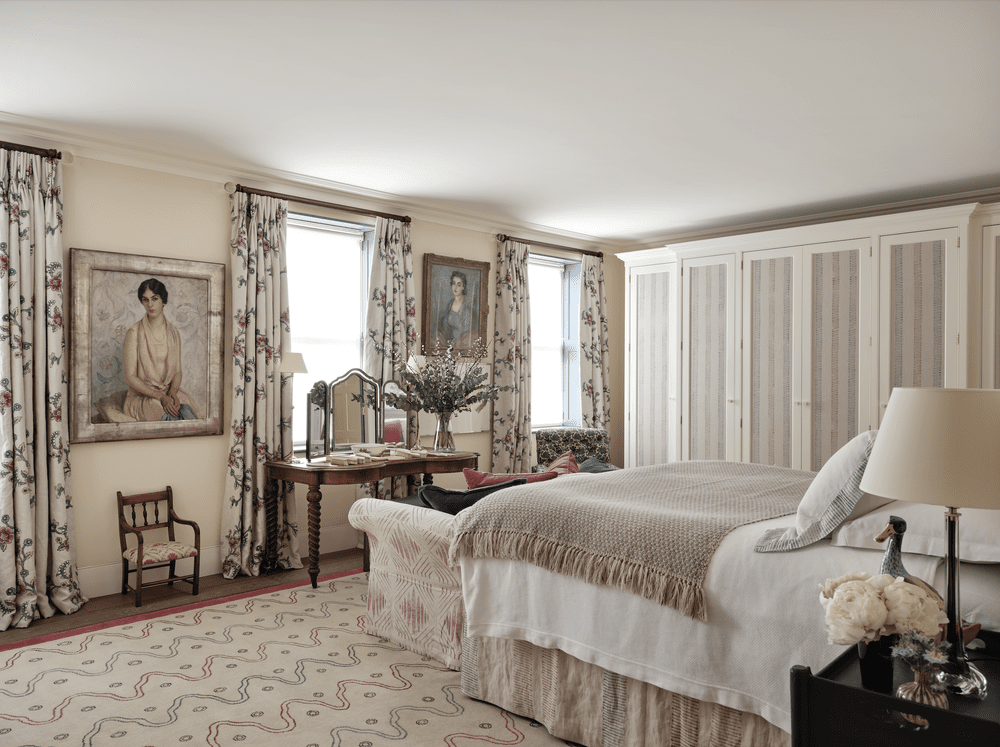
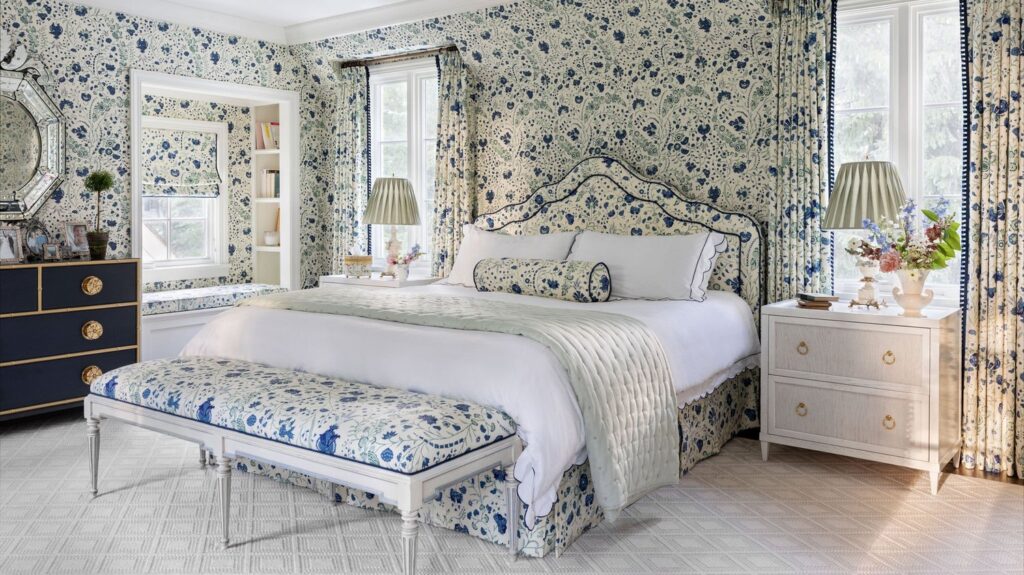
In addition to dark wood tones, Zamadics shares that floral upholstery that pays homage to the nineties is having its moment. The designer explains that “the 90s and 00s are trending in fashion and film right now, so it’s no surprise that it’s making its way into interiors!” Do you remember the Laura Ashley bedding craze on the nineties. Those cheerful, feminine floral patterns are experiencing a resurgence in a fresh way. Consider bringing this trend into your space in a pared-back way, like choosing one accent chair upholstered in bold floral fabric or even accessorizing with a few floral pillows so the space doesn’t feel overwhelmed by botanicals.
Balancing Vintage With Modern
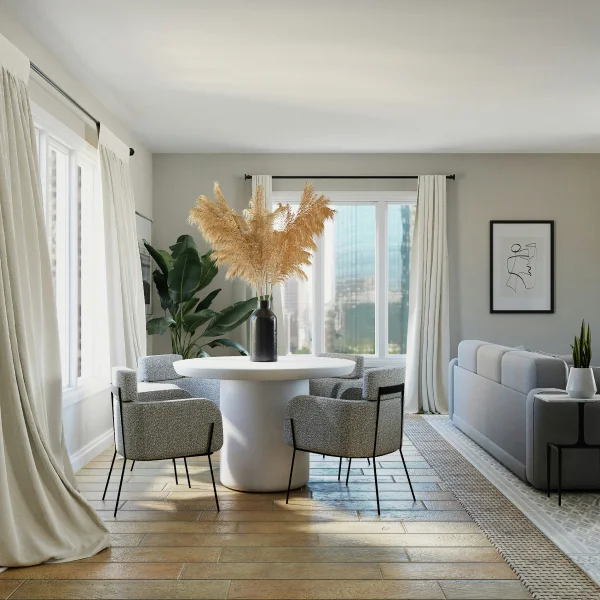
Here’s the thing—no matter whether you’re talking about outdated aesthetics or the biggest trend of the moment, too much of anything is a bad idea. That’s why Zamadics’ biggest suggestion when it comes to incorporating vintage or old-timey styles into a modern space is to approach the task with balance. “Rather than fully turning away from modern, designers are finding a way to merge the present with the past,” she says. “They are taking inspiration from the past and cleaning it up a little bit to be more streamlined or simpler.”
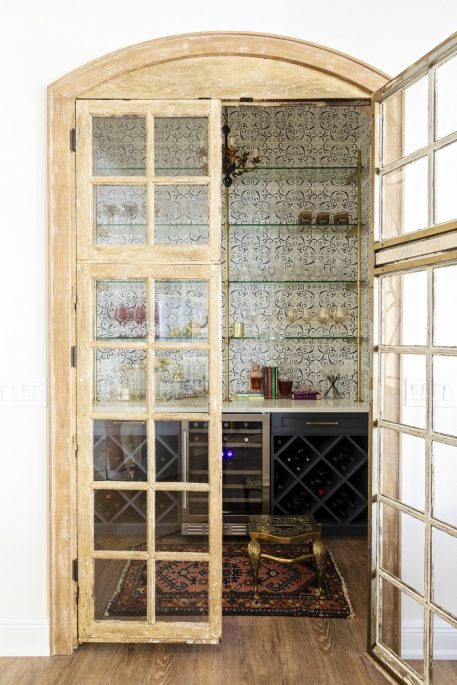
Zamadics goes on to explain that “it’s all about the mix of styles that keeps a space feeling thoughtful. If you lean into an era too much, it will feel like you’ve time-traveled to the past. Instead, pick an item or two from an era that you love to incorporate in your home so that they can stand out and nod to another time, but surround them with more modern pieces. I always abide by the rule that every room should have at least one ‘old piece,’ but I also think every piece shouldn’t be old.”