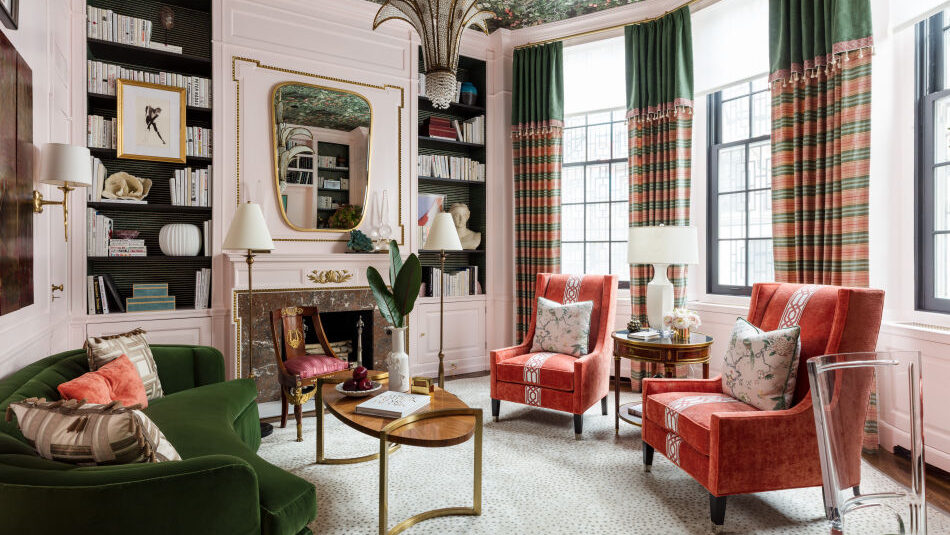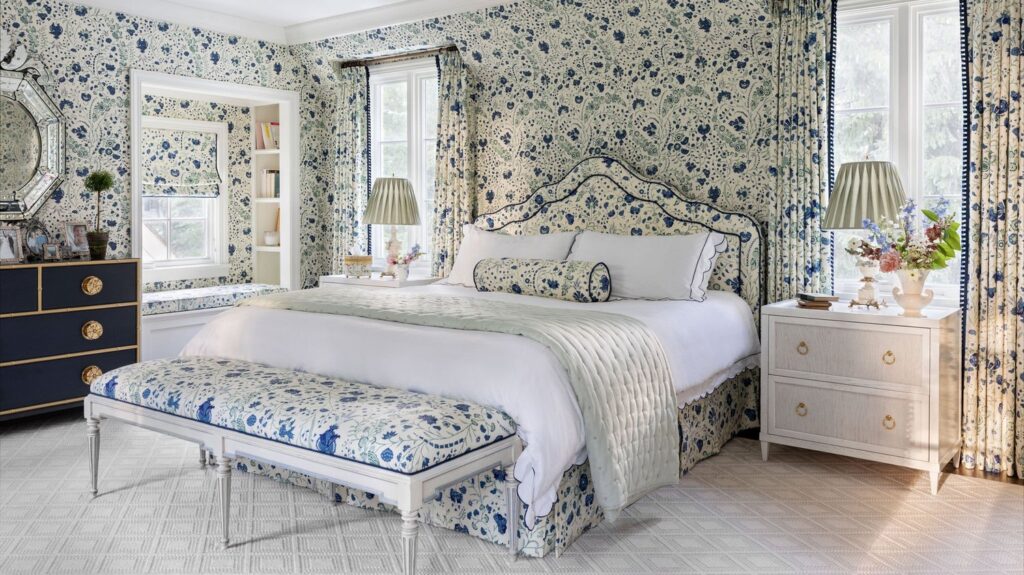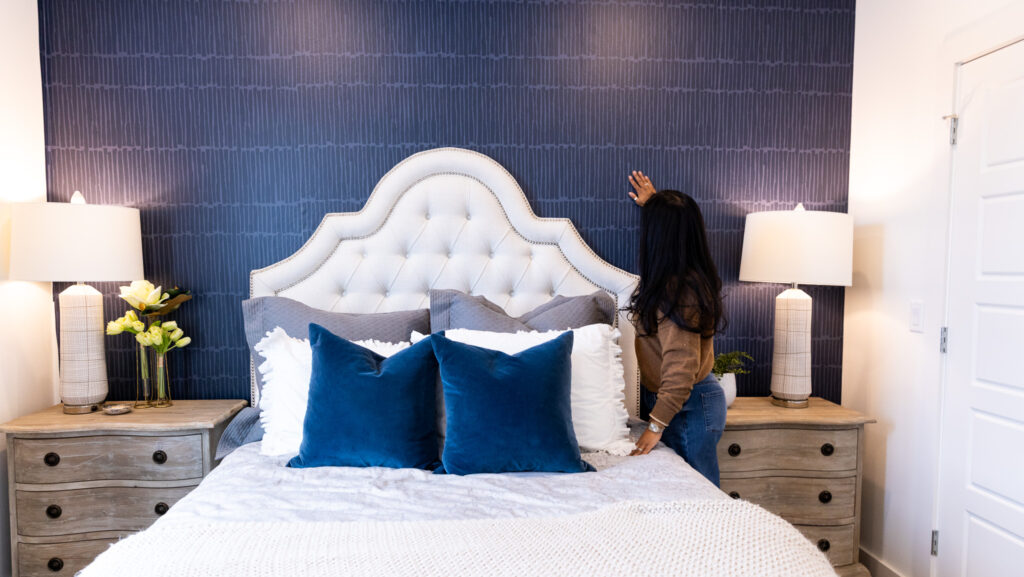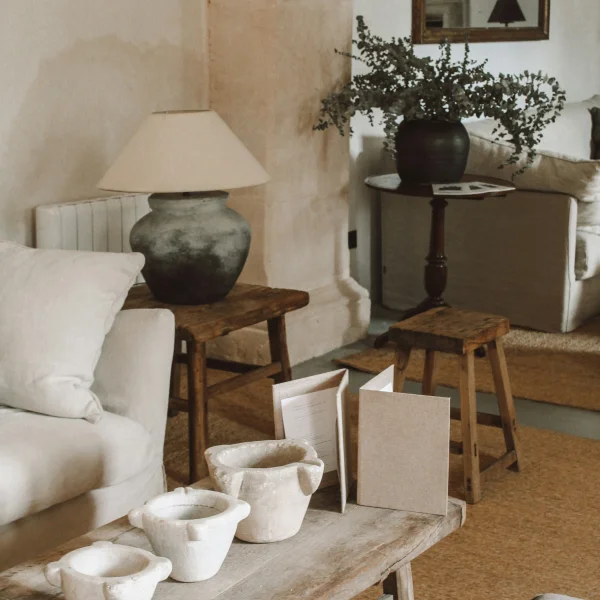
The best living rooms strike a balance between ease and elegance. From layering lighting to choosing the right materials and scale, these expert-backed living room design ideas show how to create a space that feels inviting, polished, and effortlessly put together.
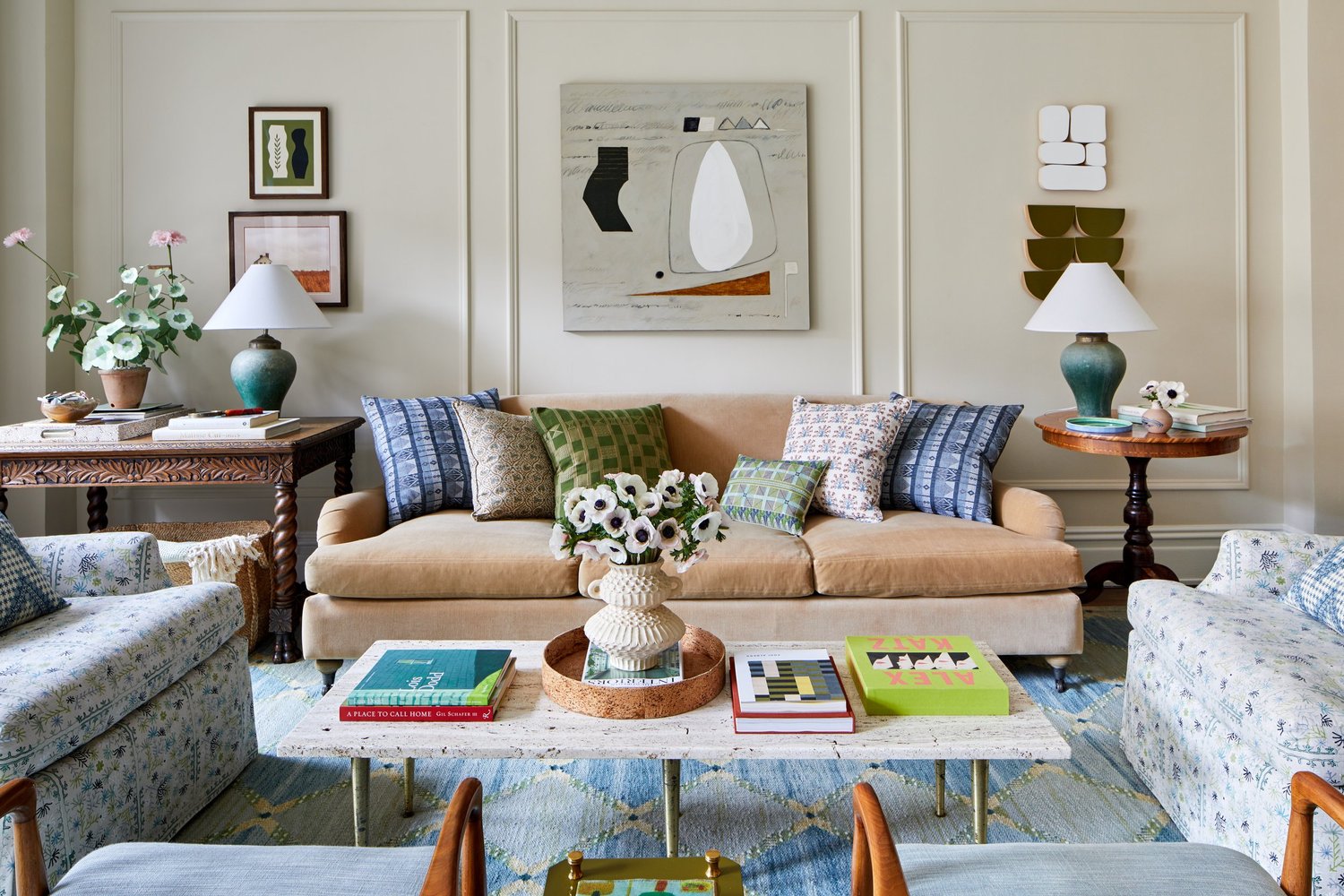
In many homes, the living room serves as a hub for both rest and connection. It’s where you can unwind at the end of the day or gather with loved ones, whether that means settling in with your latest Netflix obsession or hosting friends for pre-dinner cocktails. But a space that plays these two roles needs to strike a careful balance: It should be comfortable enough for everyday lounging, but it should also be polished enough to welcome guests.
Thankfully, you don’t have to choose between relaxed and refined when it comes to living room design. Comfort doesn’t simply come from piling on the decor or filling every corner with plush furniture—in fact, doing so can often make a space feel more cluttered than cozy. Instead, the most inviting living rooms often rely on a thoughtful combination of design decisions that allow comfort and style to coexist. Elements like layout, materials, lighting, and color all play a significant role in creating a living room that feels both inviting and elevated. To learn how to get it right, we turned to interior designers Anne Sage and Leslie Kramer for their expert advice.
1. Start with a clear design vision
According to Sage, creating a space that feels both comfortable and refined begins with having a thoughtful plan. So, before you start scouring your favorite stores for furniture and decor, take the time to think about the aesthetic direction you want the room to go in. Whether your style leans modern and moody or traditional and bright, creating a mood board of inspiration images can help guide your decisions throughout the design process.
At the same time, it’s just as important to think about the floor plan. “Consider the positioning of all the different elements in the room so the needs of the people using the space are met, while also maximizing existing elements like size and traffic flow,” Sage says.
2. Use color to add depth and sophistication
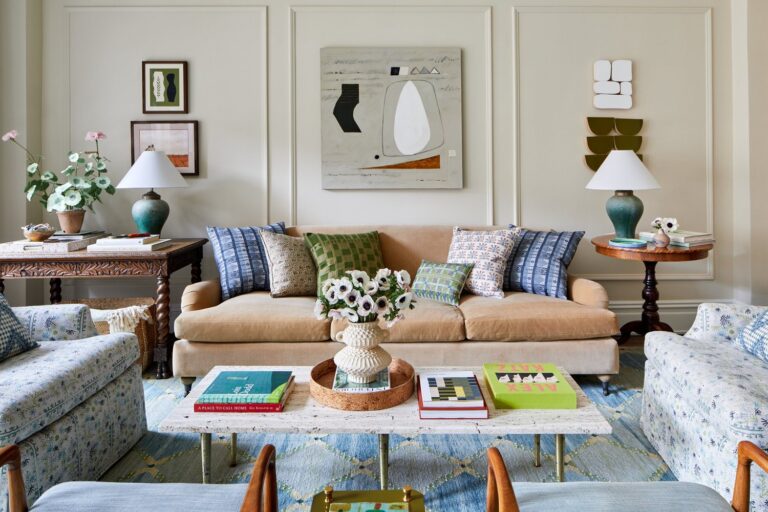
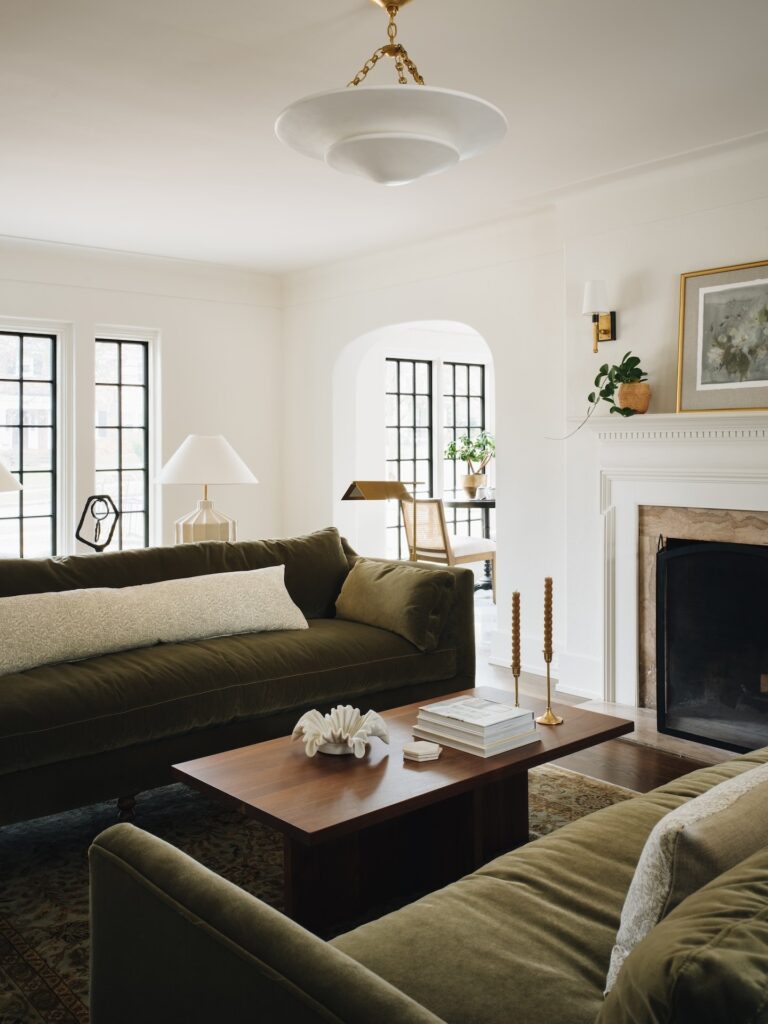
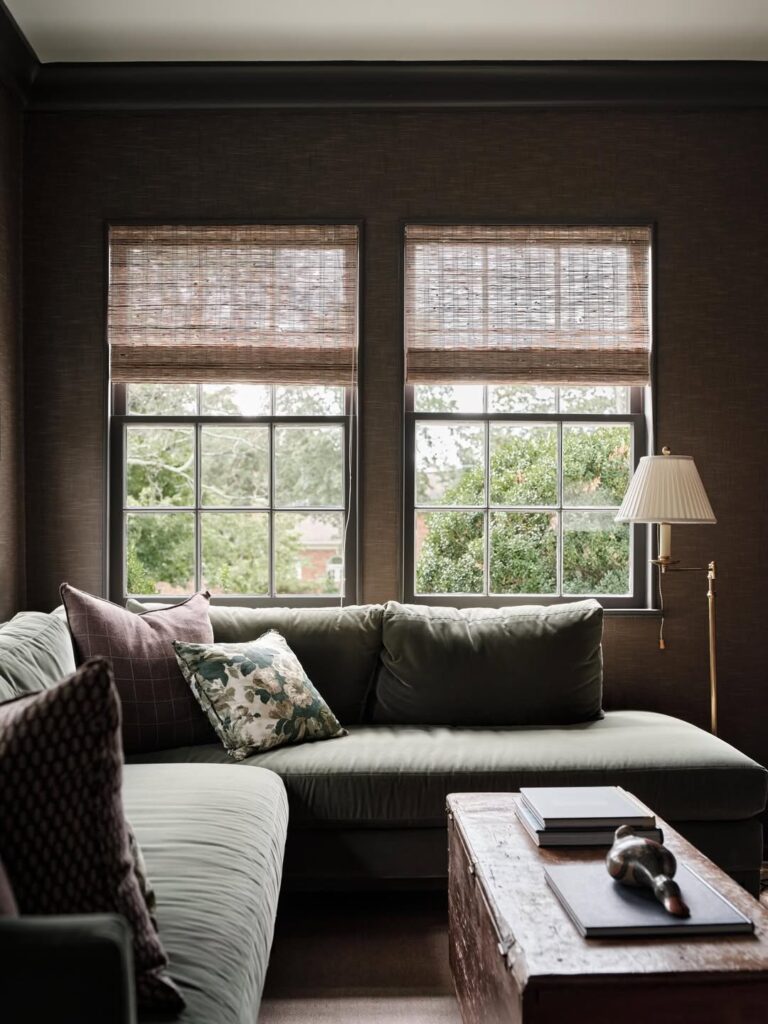
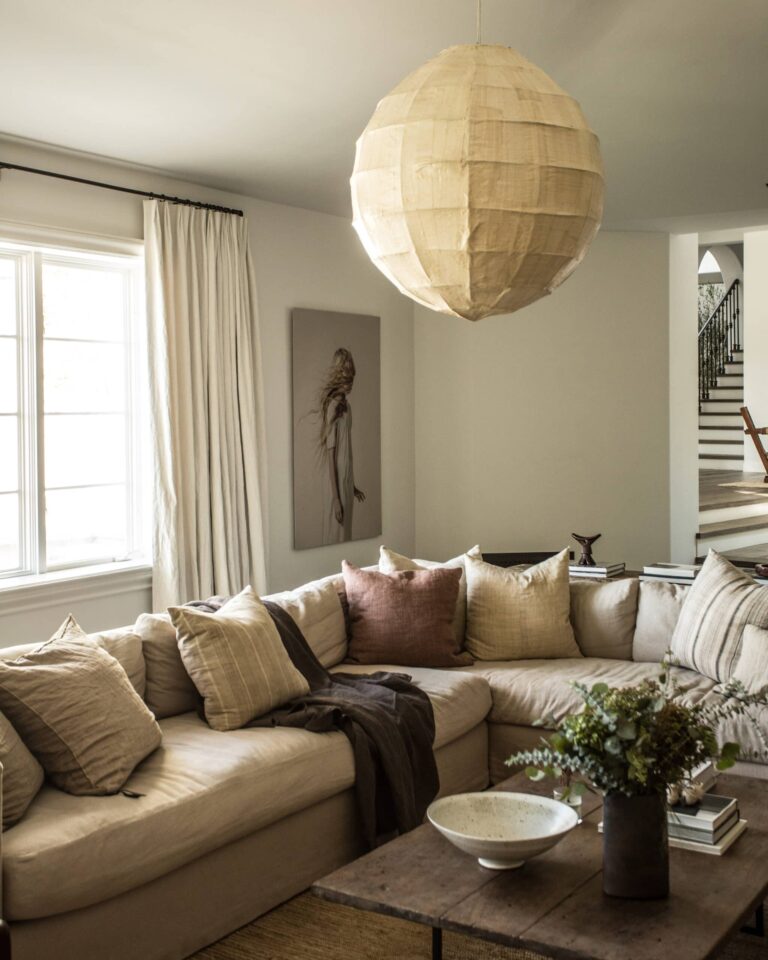
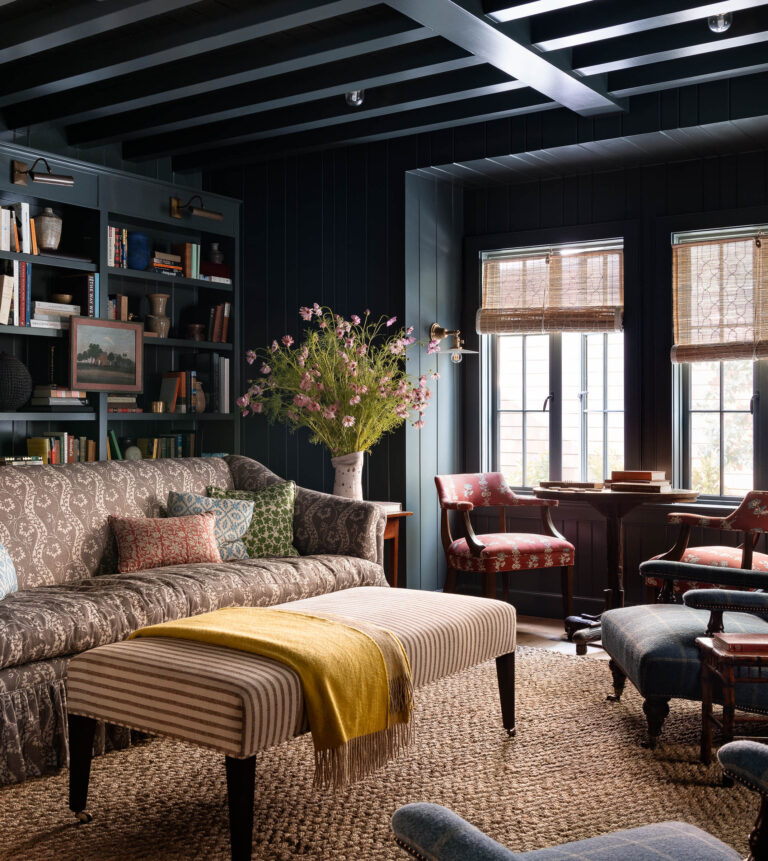
Color may not be the first thing that comes to mind when you’re considering how to polish up a space, especially if you gravitate toward softer palettes. However, it’s one of the simplest and most powerful tools you can use to create a living room that feels equal parts refined and relaxed. This doesn’t mean you have to nix neutrals in favor of bold hues—the key is to introduce depth through tone and variation rather than relying on a single flat shade. Even within a neutral scheme, layering shades like warm beige, camel, taupe, and deep brown can add richness and dimension.
“Depth of color and tone in your furnishings and textiles goes a really long way to make a space feel mature and elevated,” says Kramer. Consider incorporating richer tones through upholstery, pillows, throws, and other textiles to create that sense of dimension. The result will be a room that feels thoughtfully layered—and just as cozy as it is sophisticated.
3. Choose natural materials when you can
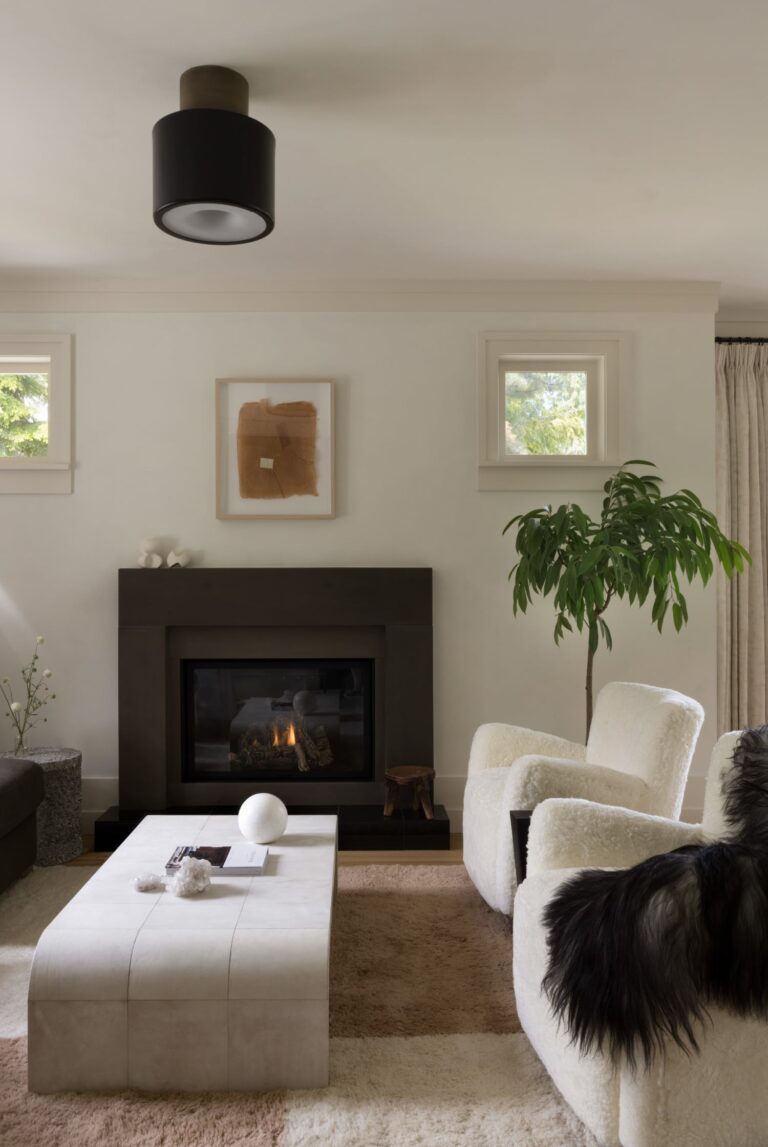
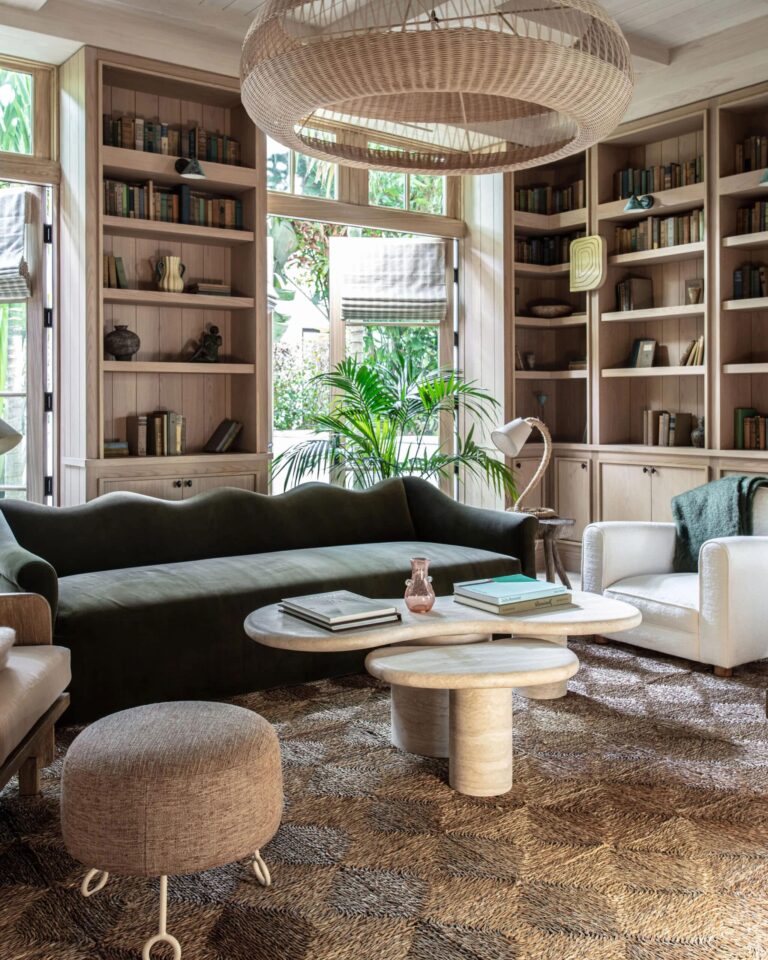
The materials you choose can make a major difference in how your living room looks and feels. This concept goes beyond blankets—think throw pillows, rugs, upholstery, and even curtains. Even if a material won’t be touching your skin, choosing something soft and cozy will instantly make the space feel warmer and more inviting.
Sage recommends opting for natural materials, as they tend to be some of the most comfortable and stylish. “With fabrics, choose natural materials like cotton, wool, velvet, [and] linen wherever possible—or at the very least, synthetics and performance fabrics that have a natural feel to them,” says Sage. “Anything too slick or shiny can feel uncomfortable.”
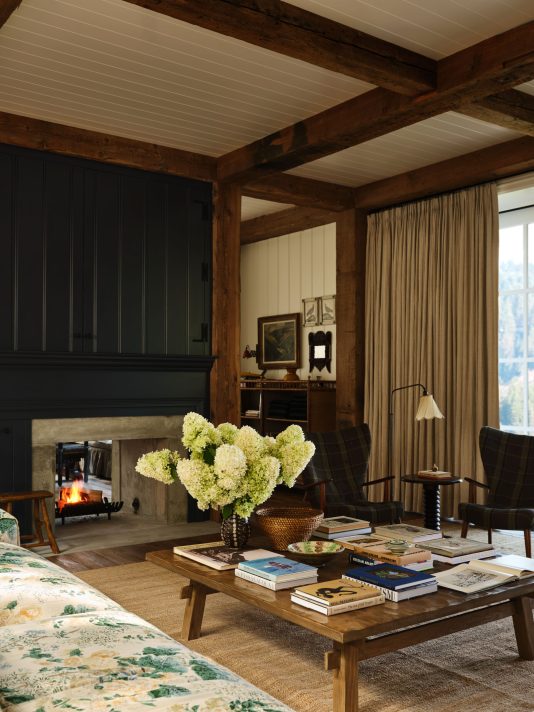
Wood finishes play an equally important role. Sage suggests sticking with timeless options like white oak or warm walnut, which will add warmth while maintaining a refined look. While mirrored surfaces and high-gloss finishes certainly have their place, natural wood tones tend to create a more grounded and inviting atmosphere.
4. Pay close attention to furniture scale
When designing a living space, bigger isn’t always better. A deep, oversized sofa might sound like a great shortcut to comfort, but choosing a piece that’s too large can actually have the opposite effect—resulting in a room that feels cramped rather than cozy.
“The most common mistake I see is people choosing a sofa that’s too deep, on the assumption that the deeper the sofa, the more comfortable the room,” says Sage. She notes that anything deeper than about 40 inches can start to feel overwhelming, no matter how much square footage you have to spare.
While sofas are a common culprit for disrupting scale in a living room, the same principle applies to the rest of your furniture as well. Pieces that are too large can quickly crowd a room and disrupt natural traffic flow. So, before you commit to your dream coffee table, accent chair, or media console, make sure there’s still plenty of breathing room to keep the space feeling both comfortable and polished.
5. Soften the room with rugs and window treatments
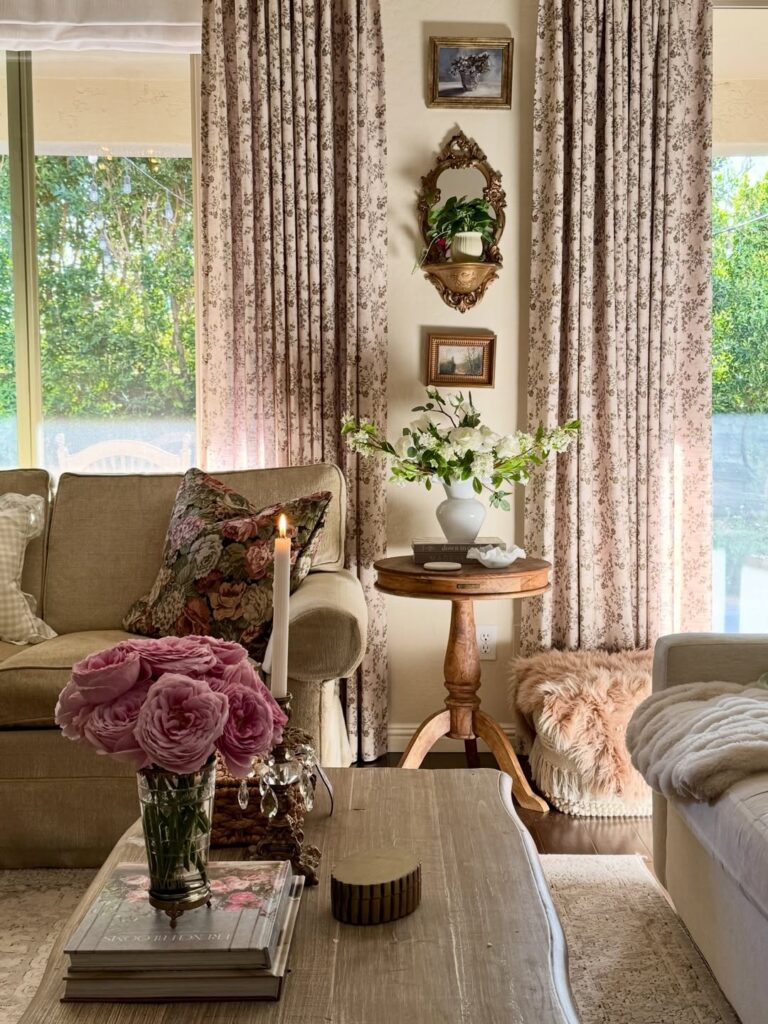
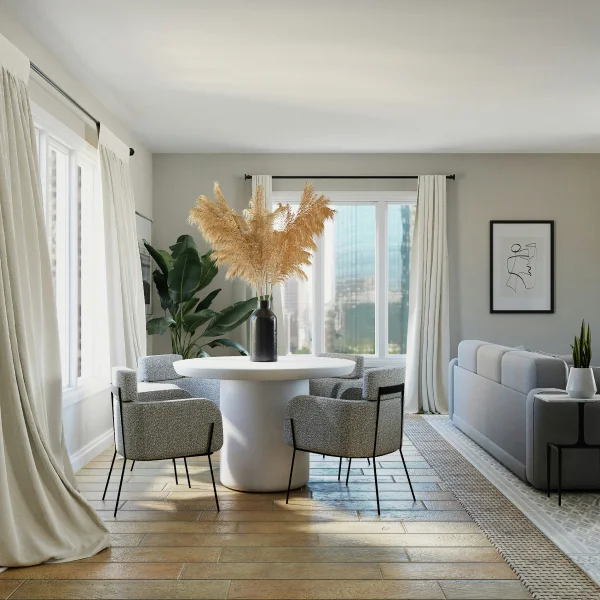
Few elements can instantly add warmth and polish to a living room quite like textiles. “Window treatments play a huge role in helping a room feel inviting and cozy while still refined,” says Sage. “Draperies hung from nearly the ceiling all the way to the floor can soften the edges of a room so much.” Prefer shades over curtains? Sage recommends opting for a linen Roman shade rather than synthetic blinds, which can feel cold and stark.
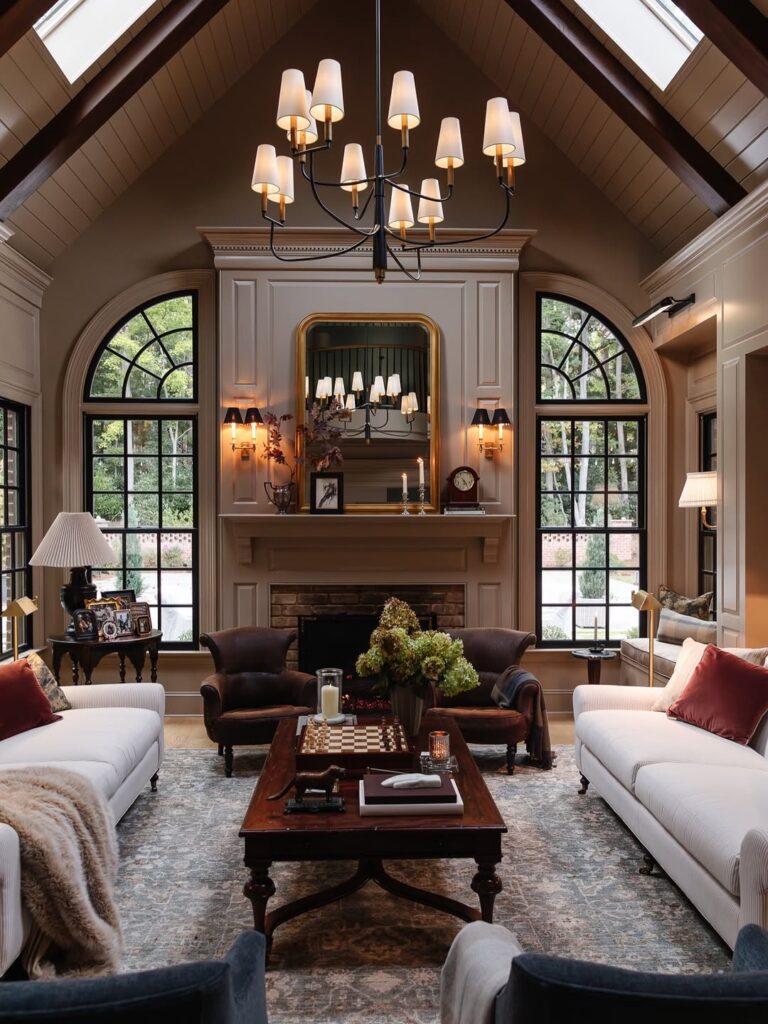
Area rugs can have a similarly transformative effect—but it’s important to keep scale in mind. “Use the largest rug your room will allow so that all the furniture legs (or at least the front legs) sit on the rug,” Sage says. “If your rug is too small, it will leave too much bare floor and the room will feel unfinished.” Get the size just right, and a great rug will seamlessly anchor your seating area and create a cohesive, welcoming space.
6. Layer lighting to set the mood
One of the most common design mistakes you can make is relying on a single light source. Instead, aim to incorporate layered lighting that allows you to adjust the ambiance and shift the mood of the space throughout the day.
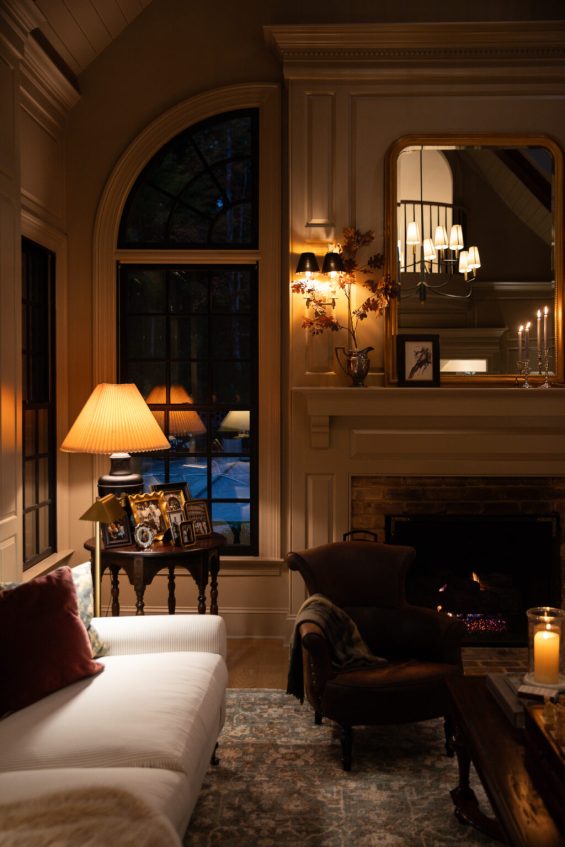
“The importance of lighting for a comfortable yet stylish living room definitely cannot be overlooked,” says Sage. She recommends incorporating several sources of light—ideally overhead fixtures on dimmers, a few table lamps, and a floor lamp—so you can easily control the atmosphere. Beyond their function, lamps can also double as decor. “So many lamps have a sculptural quality to them,” she adds. “They’re like usable art.”
7. Don't overlook the details
The difference between a room that feels finished and one that falls flat? The details. Small design choices like pillows, lighting, and accent furniture can make or break the atmosphere of the room. That said, they’re often treated as an afterthought.
“Sometimes people focus too much on the largest item in the room, like a comfortable sofa or sectional, and overlook the smaller elements that make a space interesting, such as a beautiful light fixture or a unique footstool. Those details are what make a room feel inviting and finished,” says Kramer.
7. Decorate with pieces that tell a story
When decorating a living room—or any room, for that matter—it’s easy to get caught up in achieving a perfectly curated look. And while that’s certainly the goal, the most successful spaces aren’t created by copying your favorite Pinterest image to a tee. Instead, according to Kramer, the most inviting rooms are those that feel personal as well as polished.
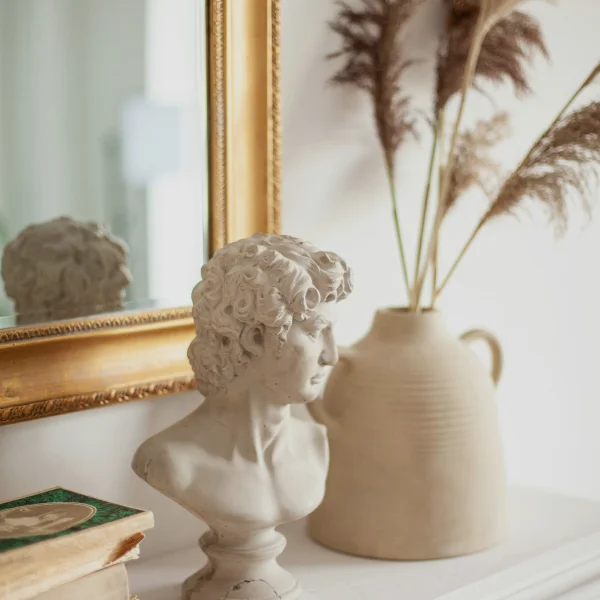
Rather than rushing to fill shelves and surfaces with generic decor, take the time to incorporate objects that reflect your life and interests. Collected items—from travel souvenirs to locally sourced artwork and meaningful heirlooms—will add personality and depth while still maintaining a sense of intention. “Surrounding yourself with objects that have personal significance not only creates great conversation pieces but also deepens your appreciation for your home and the sanctuary it provides,” says Kramer.