If you painted your walls gray between 2012 and 2022, you were in extremely good company. Gray was the safe answer, the sophisticated choice, the neutral that worked with everything and offended no one. And for a while it genuinely looked right.That era is over. Not dramatically — these things never happen dramatically — but …
If you painted your walls gray between 2012 and 2022, you were in extremely good company. Gray was the safe answer, the sophisticated choice, the neutral that worked with everything and offended no one. And for a while it genuinely looked right.
That era is over. Not dramatically — these things never happen dramatically — but quietly and unmistakably. The rooms getting photographed and shared right now are not gray rooms. Here’s what they are instead.
Brown and Its Relatives
Benjamin Moore selected Silhouette — a rich espresso brown — as their 2026 Color of the Year. Behr chose Hidden Gem, a smoky jade bridging blue and green. Two of the most mainstream paint brands in the country have fully committed to the warm shift.
Brown is having the most interesting rehabilitation in design right now. For years it was associated with heavy 1980s interiors — mahogany furniture, hunter green walls, the whole package. What’s happening now is different. Brown is making a comeback in richer, more nuanced shades — designers describe palettes anchored by chocolate and warm caramel, stepping entirely away from the dull browns of previous decades.
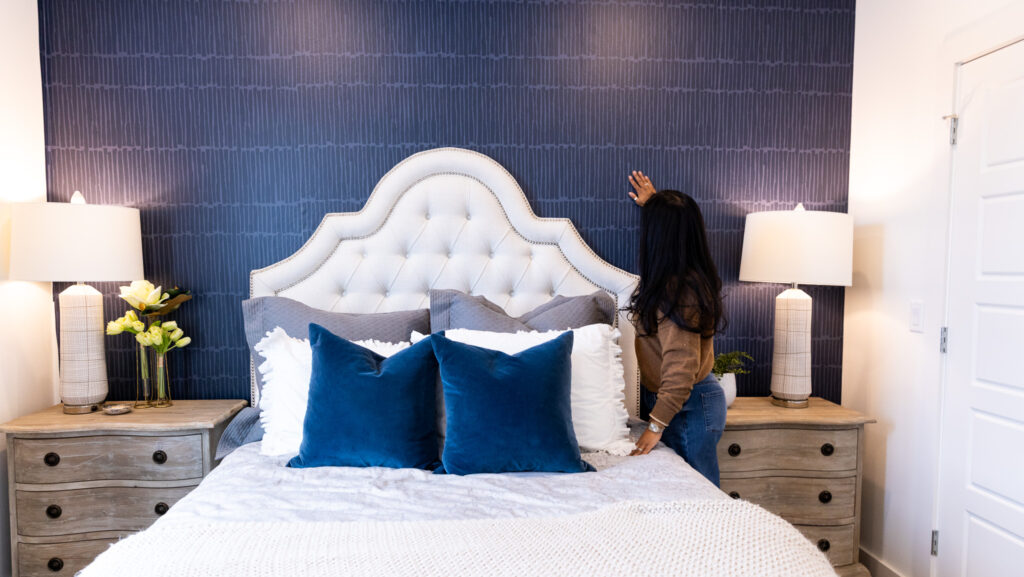
Chocolate brown on a bedroom wall, paired with cream linen and natural wood furniture, looks extraordinary. Warm caramel on kitchen cabinets with white marble and brass hardware looks right in a way that gray never quite managed. The difference is temperature — brown is warm, and warm rooms feel lived in.
Where to use it first: the bedroom. It’s the place where cocoon-like warmth matters most and where you have the most latitude to go deep.
Terracotta
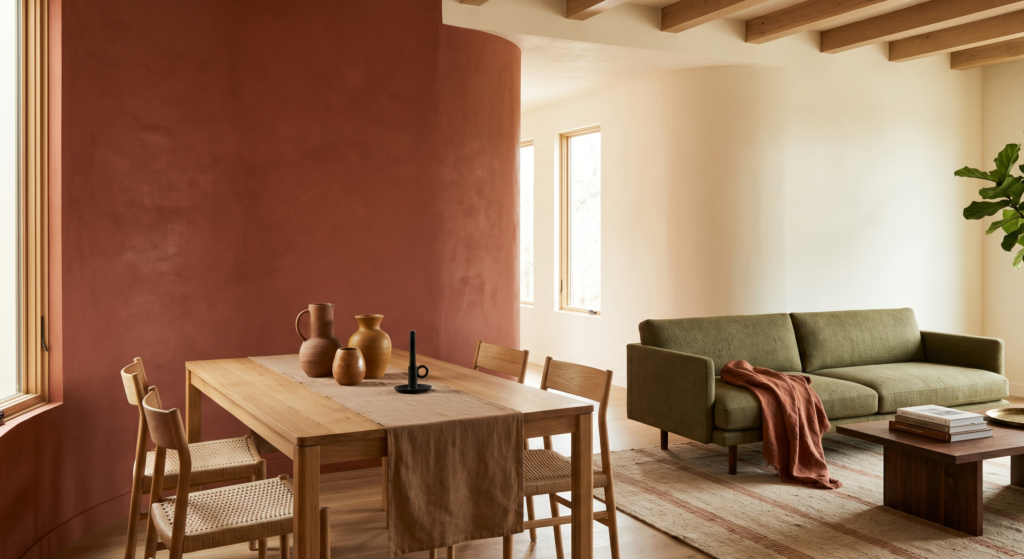
Terracotta has been working its way into rooms for several years and isn’t slowing down. The 2026 palette draws directly from nature — terracotta, clay, ochre, olive green, warm taupe, rich browns. These aren’t the heavy earth tones of the 1970s. They’re refined, layered, paired with modern materials for a look that feels fresh.
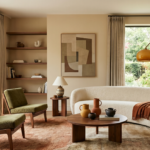
Terracotta’s gift is that it reads differently depending on how you deploy it. On a full dining room wall with warm lighting it’s moody and saturated. As a secondary color in a mostly cream room — a terracotta throw, a ceramic pot, a terracotta-toned rug — it’s warm and subtle. It’s one of the most forgiving colors to introduce because it works in small doses before you commit to larger ones.
The combination that keeps working: terracotta paired with cream, natural wood, and a single dark accent. It has three years behind it and at least another five ahead.
Deep Greens
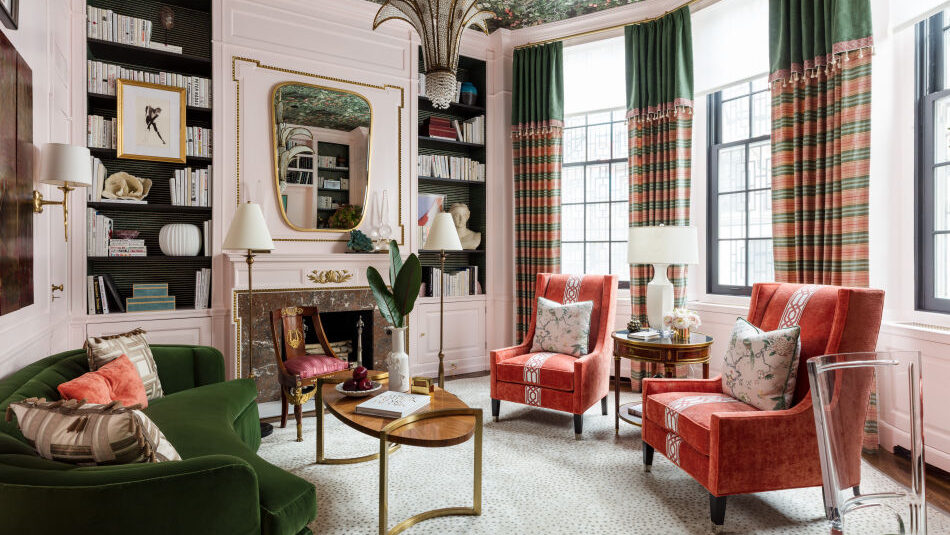
Olive, moss, forest, sage — the green family has been moving steadily from accent color to primary color, and in 2026 it’s fully arrived as a foundation choice.
Shades like moss, eucalyptus, and pine are becoming popular in kitchens and living spaces, bringing depth and a strong connection to nature. While 2025 leaned toward traditional greens, 2026 embraces warmer, sun-touched tones inspired by organic materials.
The most interesting current iteration is deep, warm green — the kind that reads almost brown in certain light. Olive green walls, cream upholstery, warm wood furniture. It looks like it could have been decorated in any decade from the 1940s onward, which is exactly why it works.
One caveat: deep green absorbs light. It’s beautiful in a sun-filled space and oppressive in one without it. Know your room before committing.
Off-White
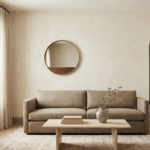
Not every room wants deep color. The move away from gray in lighter rooms isn’t toward another neutral — it’s toward off-white with actual warmth in it. Designers warn clearly against stark white: “Pure white can feel cold if overused. Choose warmer off-whites or use white selectively to enhance light and contrast.”
The specific undertone matters enormously. Off-whites with yellow, pink, or green undertones read warm rather than clinical. The distinction between these and a cool white is imperceptible on a paint chip and enormous on four walls.
The Statement Room Color
For the room you want to stop people in the doorway: burgundy, deep wine, rich cranberry — on all four walls. A burgundy dining room with warm lighting, cream linens, and brass candlesticks is one of the most reliably beautiful rooms you can create right now. It looks historic and current simultaneously.
Pair it with something that has material weight and dimension on the walls. A large Anthem metal piece in a dark patinated finish against deep wine is the kind of material contrast that makes the room feel genuinely considered rather than simply painted.
What to Do With the Gray You Already Have
Warm up what’s in the room rather than what’s on the walls. Terracotta accents, warm wood furniture, brass hardware, and quality textiles in cream and camel shift the perception of a cool gray room dramatically without a drop of paint. When you’re ready to commit: start with the room you spend the most time in.