From smarter storage to design-forward lighting and mood-boosting color, these home office upgrade ideas will transform your workspace into a place that feels as polished as it is productive.
Even though working remotely has become the norm for many, the office is often one of the most neglected spaces in a home. Sure—it may not be where you’re hosting guests for game night or curling up with a good book, but that doesn’t mean it doesn’t deserve a little more attention. In fact, research suggests that a well-designed workspace can significantly influence productivity, creativity, and overall well-being, making thoughtful updates more than just aesthetic.
The good news? Elevating your home office doesn’t necessarily require a full renovation—sometimes small, intentional updates make the biggest impact. To help you get started, we turned to designer and TV personality Breegan Jane for nine ideas you can incorporate now to elevate your home office without compromising functionality.
1. Rethink the layout
A great home office isn’t just visually appealing—it also supports the way you actually work. If a traditional desk-and-chair setup doesn’t suit your day-to-day workflow, it may be time to rethink the layout. According to Jane, the first step in executing an efficient setup is considering how your creative process unfolds throughout the day. “I’ve had a client who found a meditation chair essential for taking moments to center himself, especially since his job entailed public speaking,” Jane says. “Another client needed a large dining table in his office to spread out ideas without encroaching on family space.” The takeaway? Don’t feel limited by the idea of what a “traditional” office looks like. Instead, lean into a layout that truly aligns with your process.
James Carriere // McCaffrey Design Group
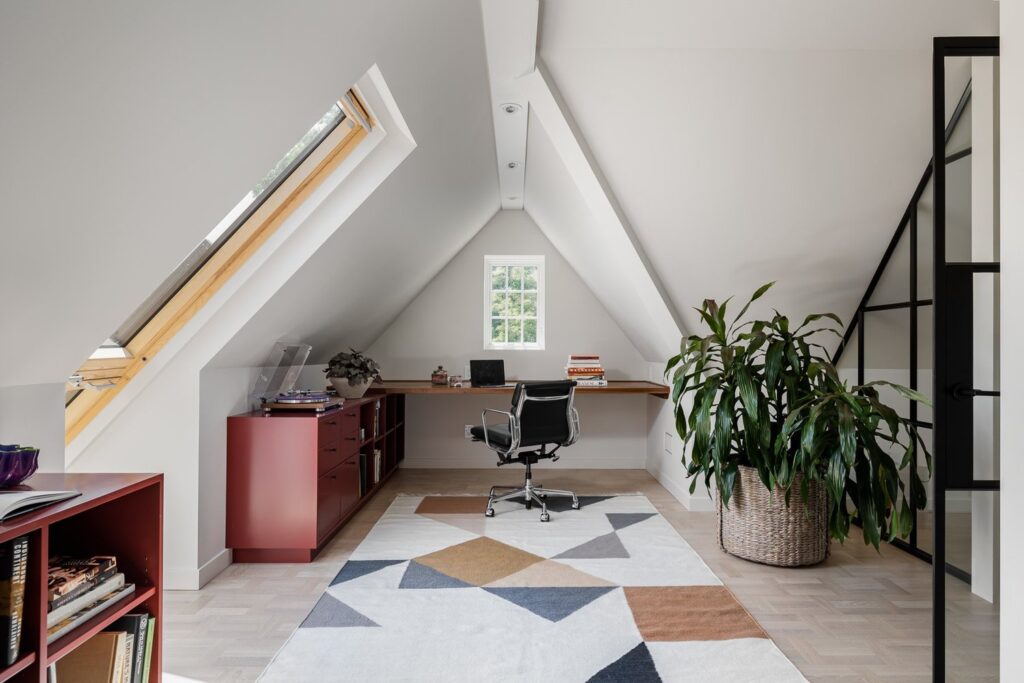
2. Consider a storage update
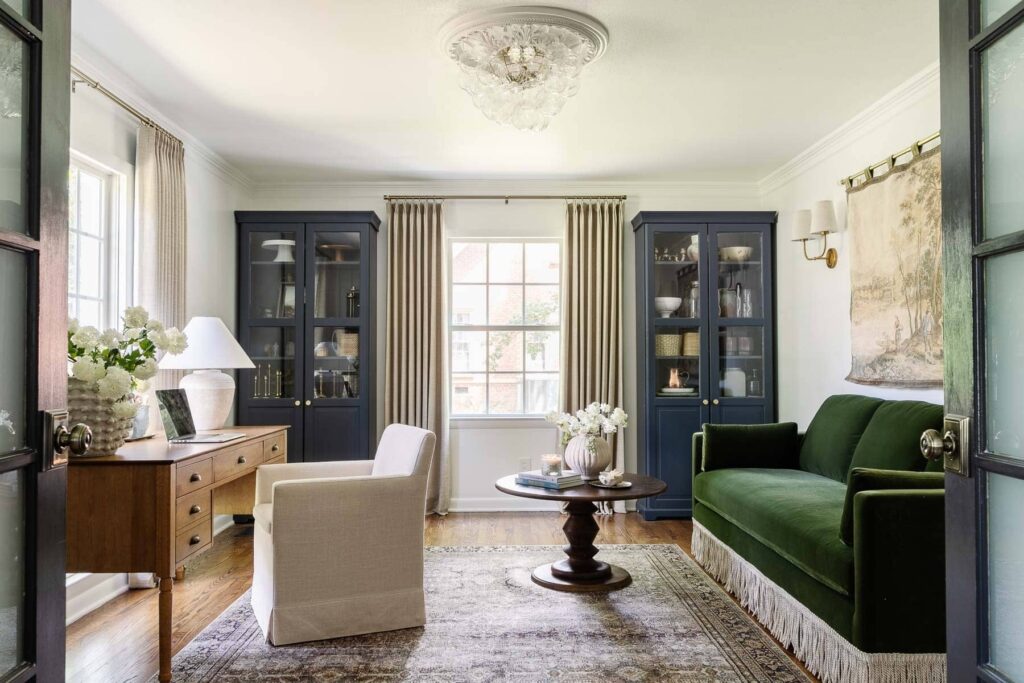
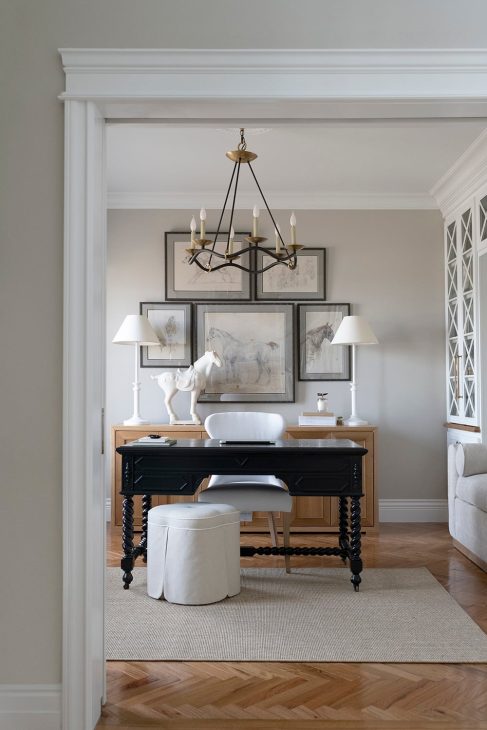
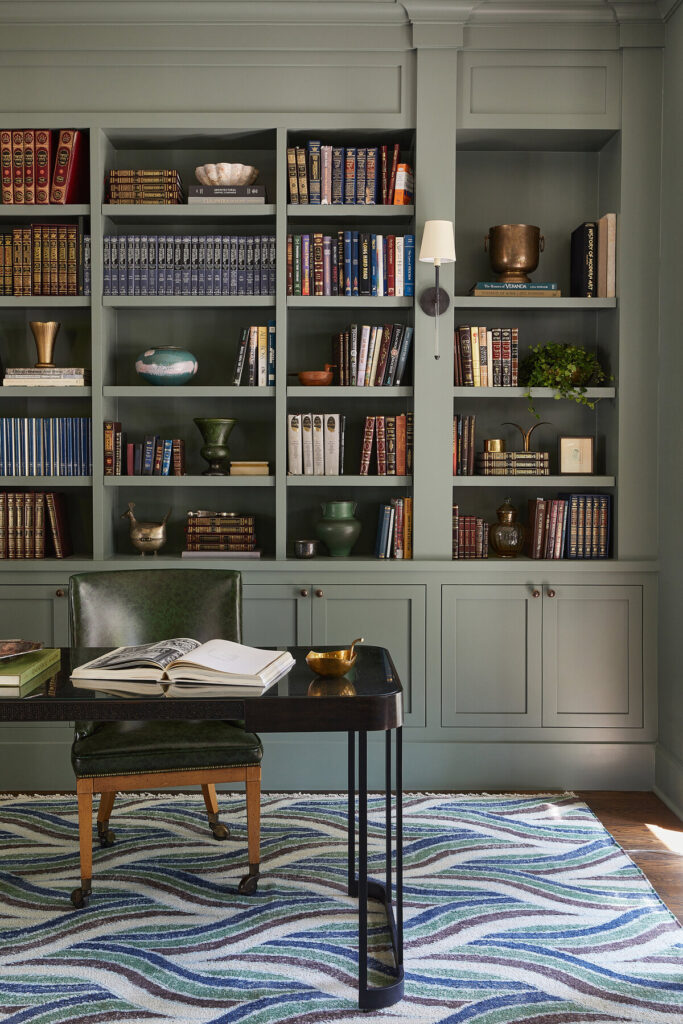
If a cluttered workspace is interfering with your calm and focus, a storage upgrade can make a big difference. Even if your home office isn’t outfitted with built-in shelves or drawers, there are plenty of stylish solutions. Consider incorporating a shelving unit or sideboard, and keep smaller items neatly contained in baskets or decorative bins. Jane also recommends incorporating storage ottomans or benches, which add warmth while keeping the space from feeling overly utilitarian.
As you organize your workspace, try to place everyday essentials within easy reach. “Storage should always feel purposeful and inviting,” Jane says. “Simplicity should be at the heart of what we interact with daily, with everything else curated and kept out of sight.”
Bless’er House
3. Create a visual inspiration board
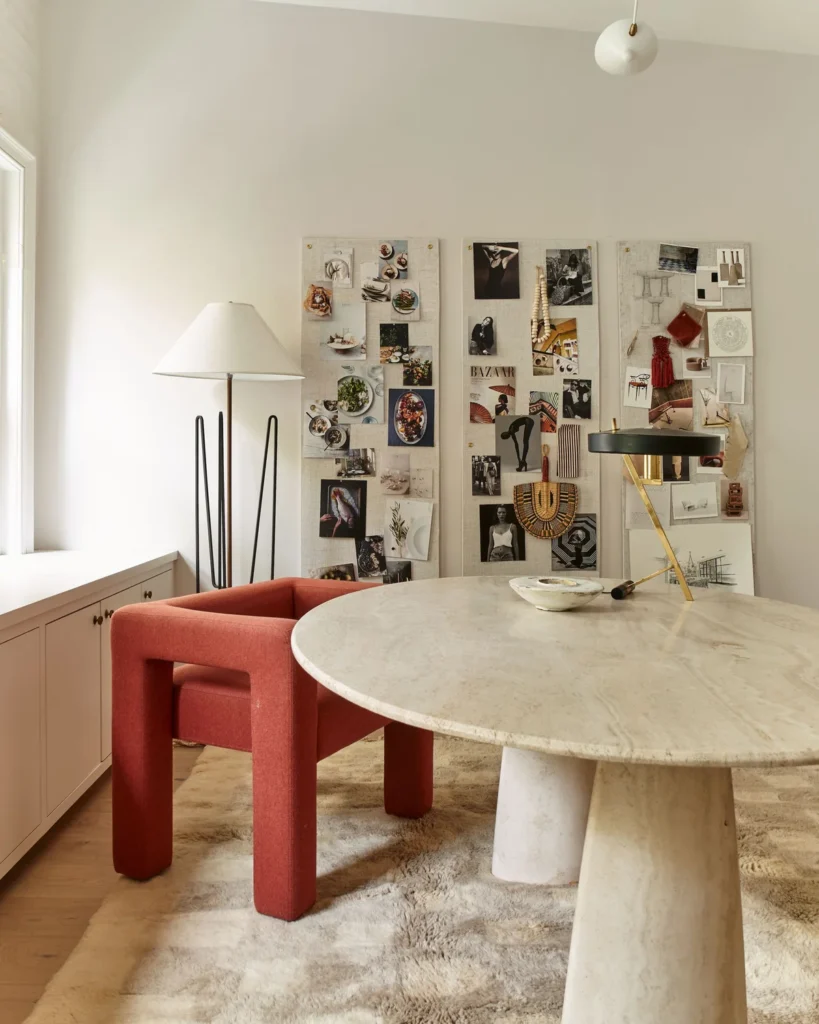
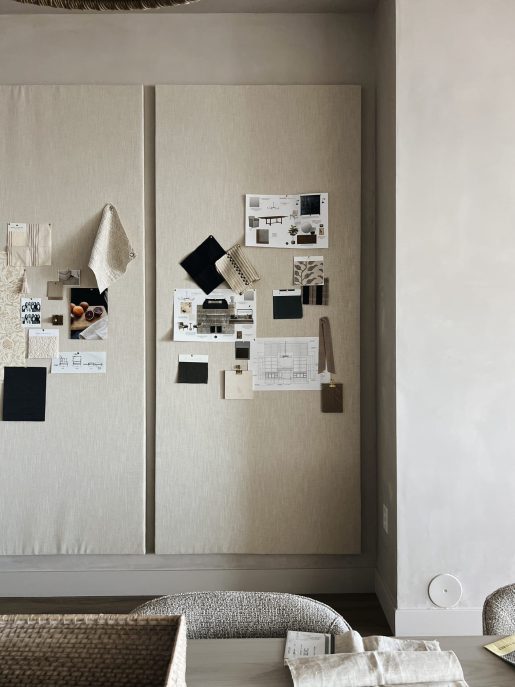
While art might be the first thing that comes to mind when you’re faced with a bare wall, a visual inspiration board is another thoughtful way to fill that space. Dedicating a spot for evolving ideas—whether it’s a small framed corkboard or a trio of tall fabric-covered pin boards—can help support brainstorming and keep creative references within view throughout the day. Unlike standard artwork, inspiration boards allow you to easily rotate images, color palettes, sketches, and other visual prompts as projects evolve. For an artful approach, consider framing a pin board or arranging several in a gallery-style layout, creating a space that feels both functional and visually compelling.
Athena Calderone
Shea McGee
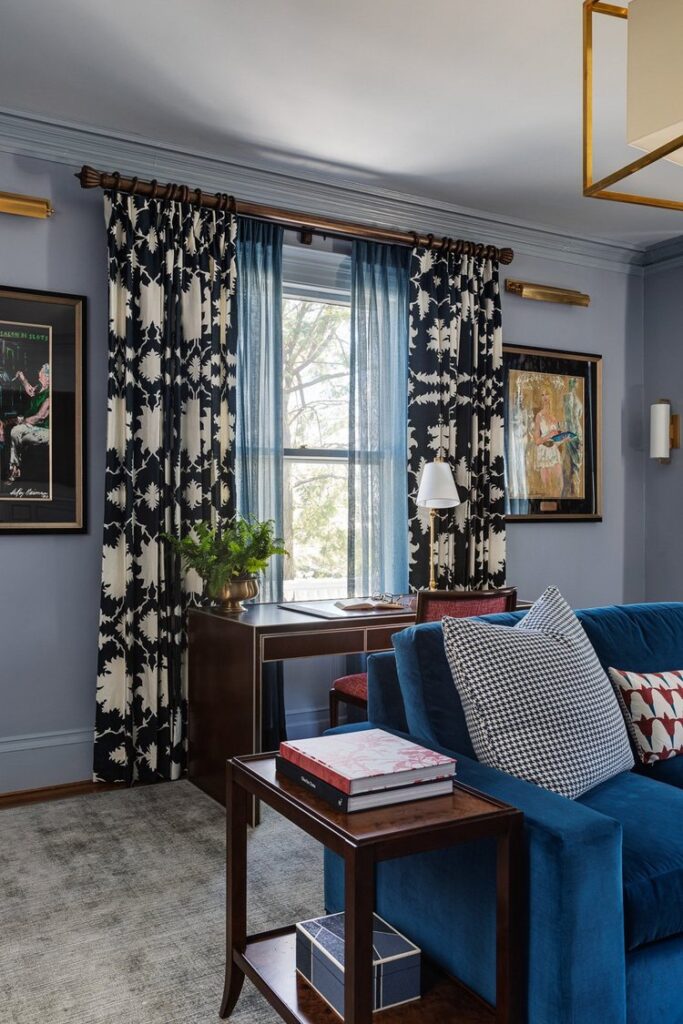
4. Layer your lighting
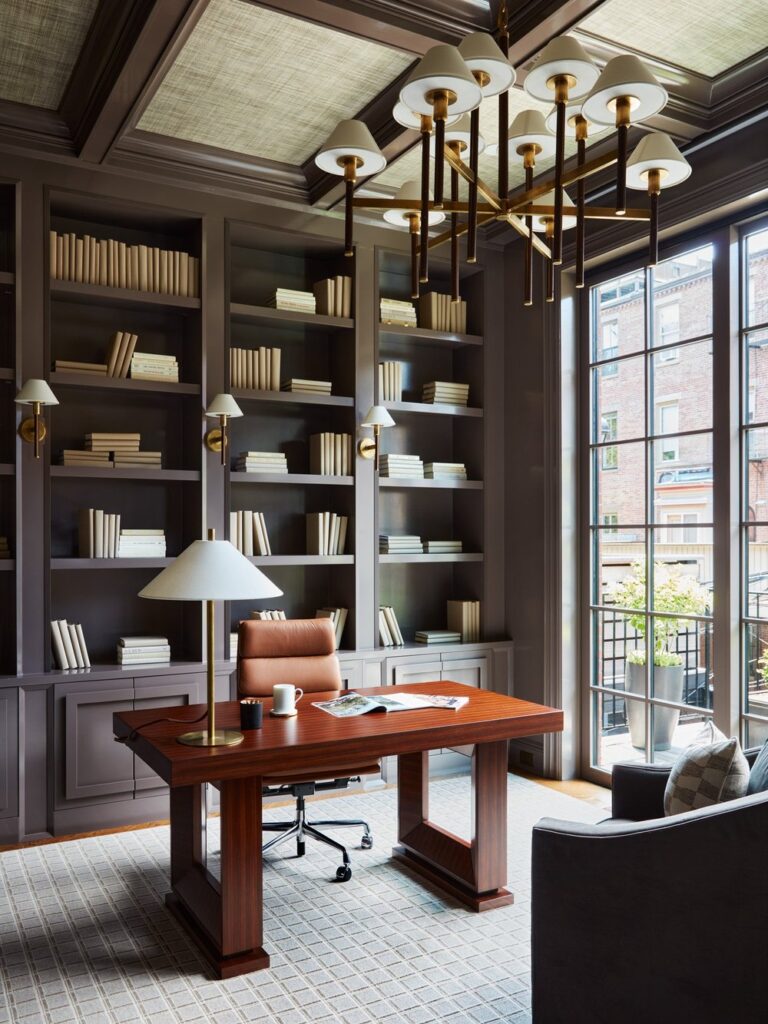
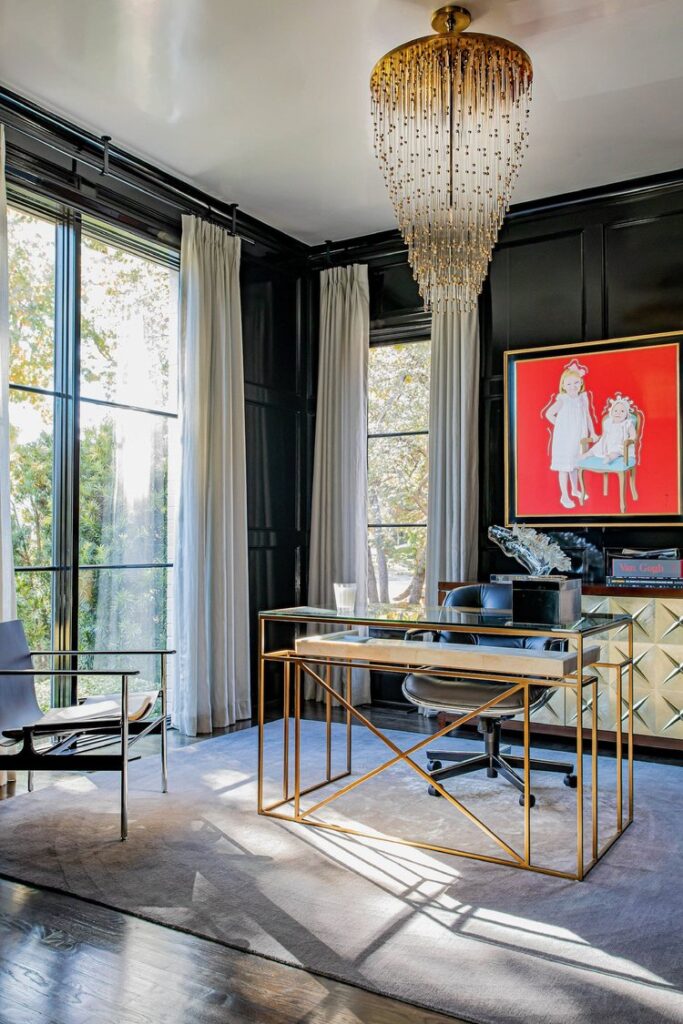
If the only light source in your home office is the main overhead fixture, there’s plenty of room to improve the ambiance. Layering multiple light sources can instantly elevate your workspace while also shaping its mood and functionality throughout the day. “Lighting should not only come from the ceiling. It’s essential to incorporate different sources, such as cabinetry lighting and uplighting in baseboards,” says Jane.
Pulling this off doesn’t have to mean hiring an electrician, either—plug-in fixtures, battery-powered options, and a few lamps can go a long way. Try layering in a floor lamp, sconces, or a small table lamp, and if possible, install dimmers to help adapt the lighting for different tasks and times of day. “Lighting, in particular, is the jewelry of a room,” Jane adds. “It’s an integral step in giving a space its own unique personality.”
Sarah Gibson
Hudson Interior Design // Jared Kuzia
5. Choose a comfortable (and beautiful) office chair
Ergonomic design doesn’t have to come at the expense of style. Today, there are plenty of office chairs that balance both, making it easier than ever to find a piece that can support you on long workdays while still complementing your space. If you spend several hours a day at your desk, go with a comfortable option that will help you maintain good posture and prevent aches and pains. Cushy upholstered chairs, streamlined office models with polished finishes, and thoughtfully designed task chairs can all complement the room’s overall aesthetic while keeping you comfortable throughout the day. Choose a piece that feels supportive enough for long stretches of work but still aligns with the look and feel of your space—your back, focus, and productivity will thank you.
Amber Lewis
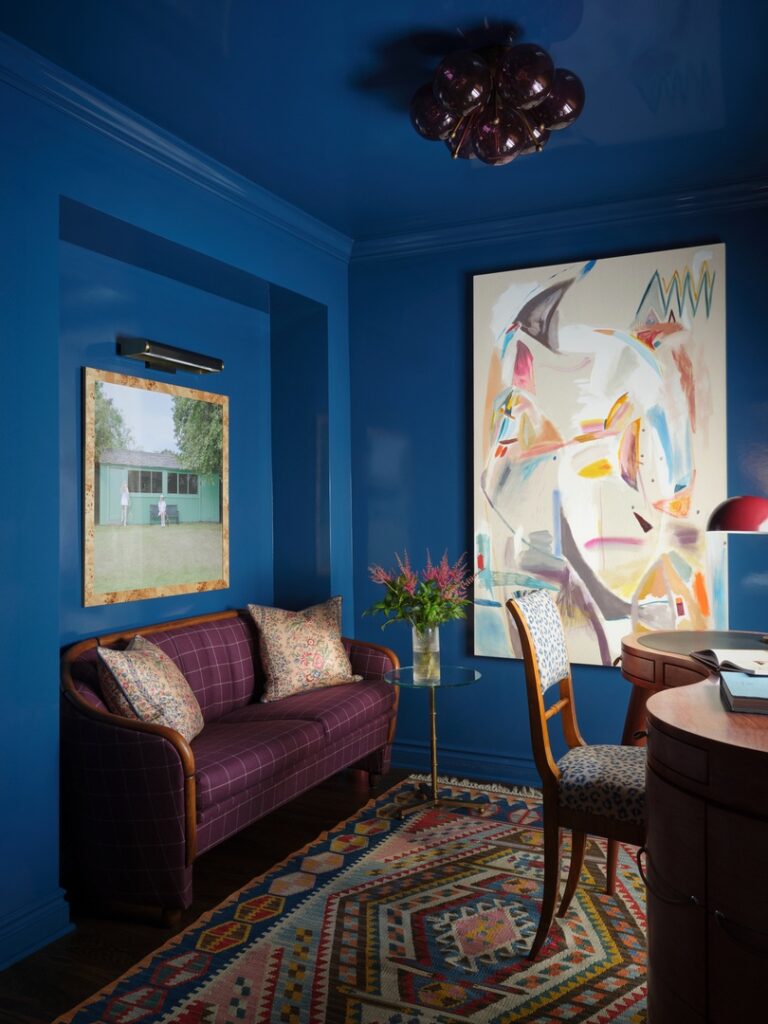
6. Define the space with paint or wallpaper
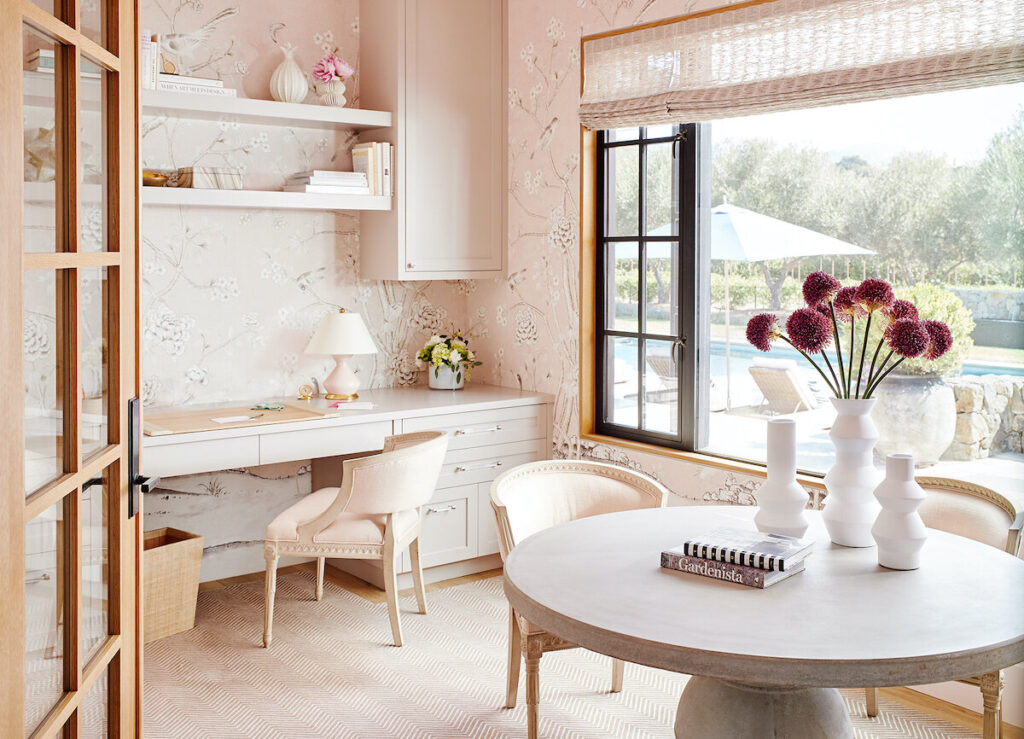
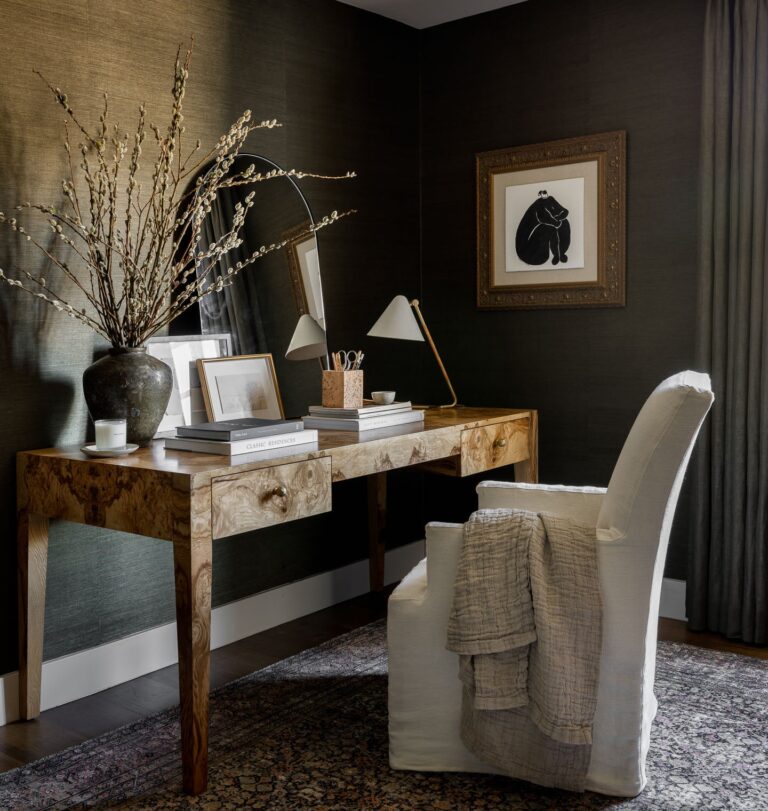
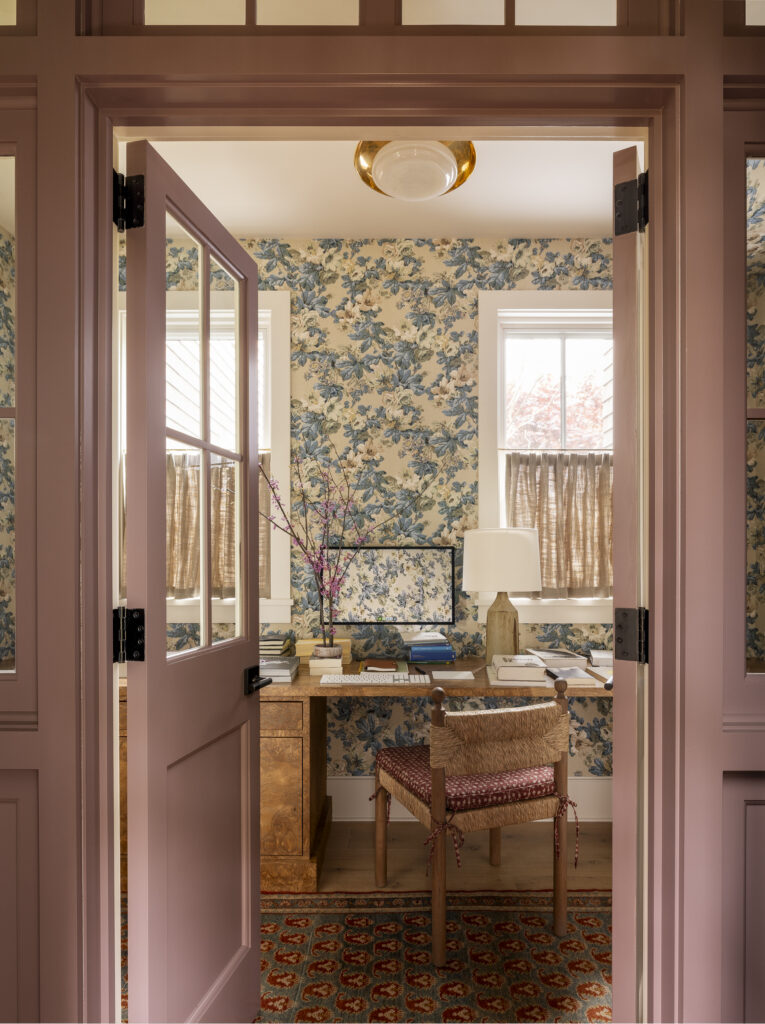
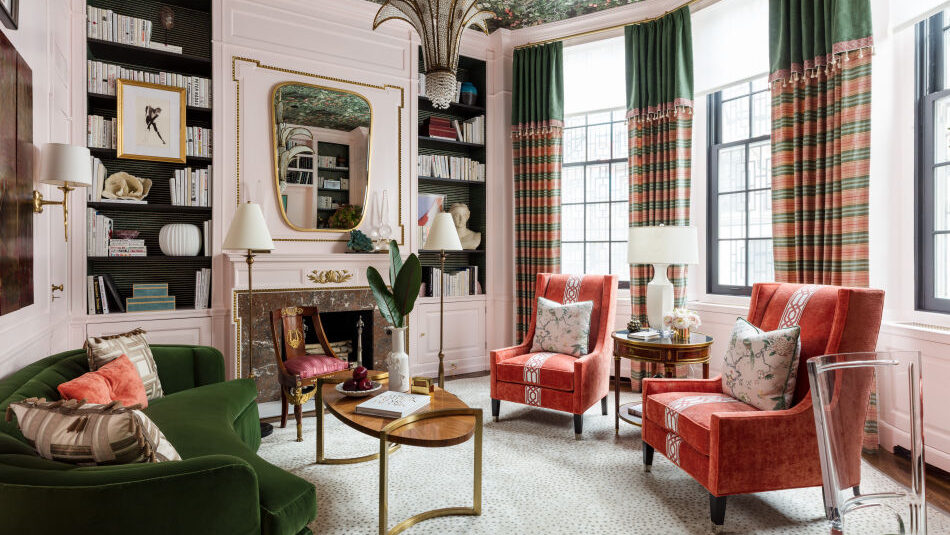
A new paint color or a bit of wallpaper can completely transform a home office, or it can help carve out a dedicated work zone within a larger one. And if you’re someone who spends hours there each day, it’s worth choosing something that reflects your personality. Drenching the room in pink? Adding a moody statement pattern? Bold color or wallpaper can instantly energize the space, while something more neutral can help promote a calm, focus-friendly environment.
“Creating an intentional atmosphere is about individuality,” says Jane. “Elements like paint and wall coverings can really elevate a room without compromising functionality.” If you’re hesitant to commit to a full paint job or professionally installed wallpaper, a peel-and-stick option is a renter-friendly way to experiment with color, pattern, or even a small accent wall behind your desk.
Heidi Caillier Design
Charlotte Lucas Design
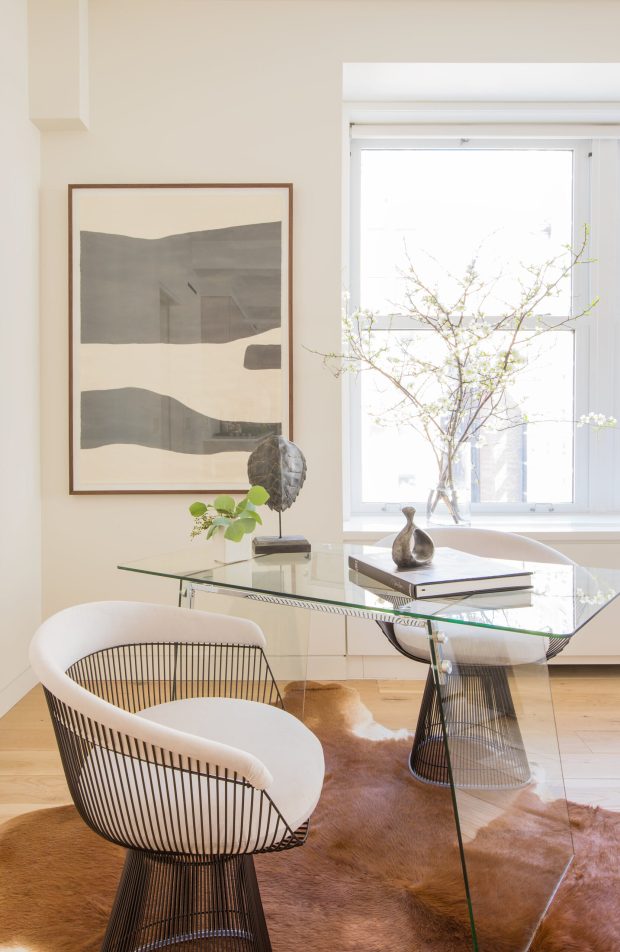
7. Optimize your desk placement
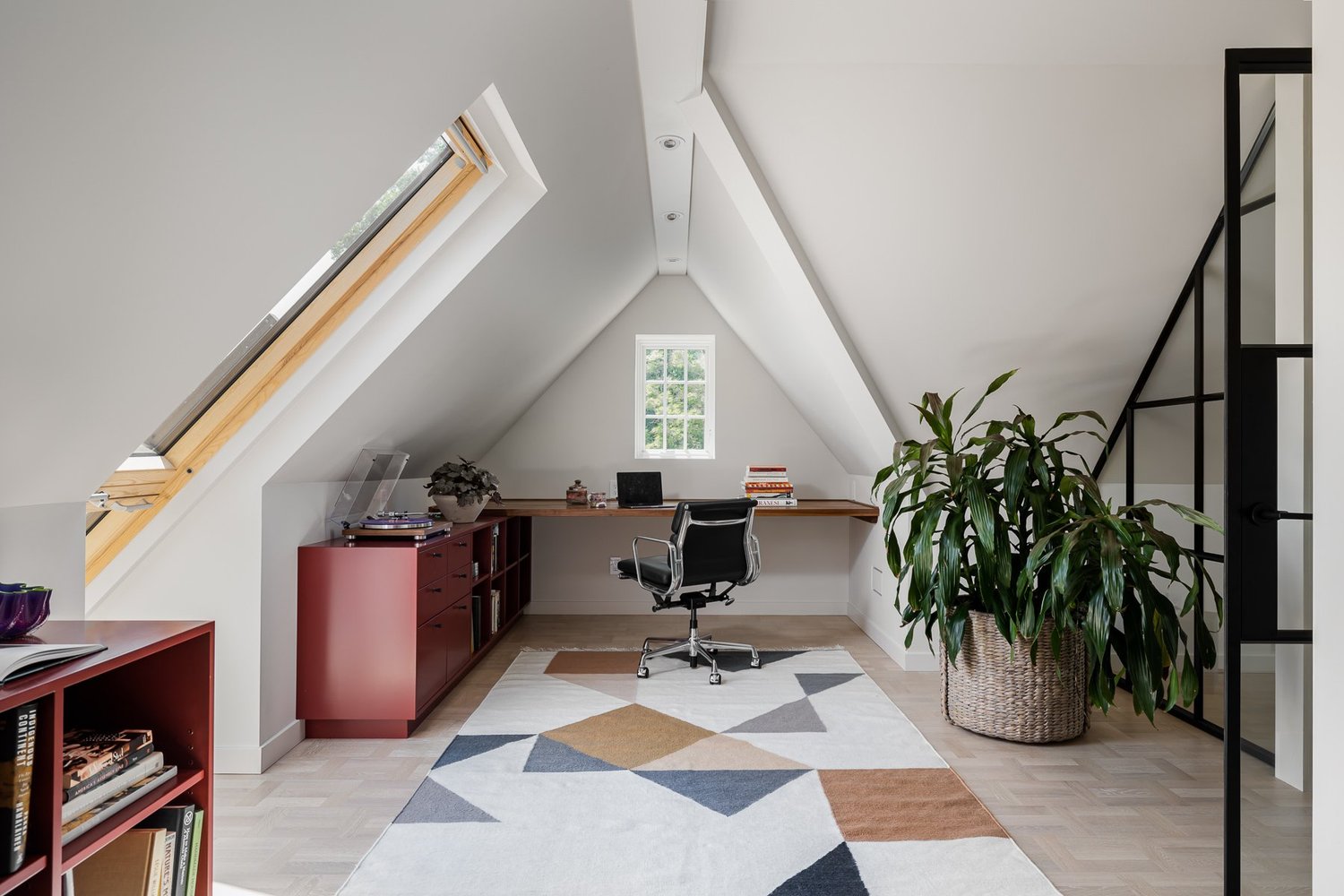
The ideal spot for your desk isn’t always the most obvious one. For instance, facing a wall all day—especially a blank one—can affect your mood more than you might realize. Try turning your desk around so that it faces into the room instead. Short on space? Positioning it at a slight angle can make the layout feel more open and intentional.
If your desk must face a wall, try placing it near a well-lit window. Natural light is known to support both mood and focus, which will help create a workspace that feels energizing rather than draining. Just be mindful of screen glare, and consider what appears behind you if you spend a lot of time on video calls—a thoughtfully positioned desk can make both your workspace and your on-screen background feel more polished.
Yael Weiss Interiors
Blakely Interior Design
8. Bring in flowers or greenery
Bringing plants or flowers into your home office is one of the simplest ways to infuse it with life, color, and energy. Greenery can instantly soften the look of a room while helping to create a more uplifting environment throughout the day. Even small additions—like a fresh bouquet from the farmer’s market or a low-maintenance potted pothos—can make a noticeable difference.
If you have the space, consider incorporating a mix of plant sizes and placements, such as a small one for your desk, a trailing variety on top of a shelf, or a larger floor plant in an empty corner. Fresh flowers in a simple vase can also bring in a subtle pop of color and a touch of seasonal charm, too.
Bethany Adams Interiors // JL Jordan Photography
9. Add personal touches you love
A home office should reflect the person who uses it. Incorporating meaningful objects—whether that’s a beautifully framed photo, a special trinket from past travels, or a favorite stack of coffee table books—can instantly make the space feel more inspiring and personal. Open shelving offers a natural place to display these kinds of items, but even smaller styling moments can make an impact.
“Finishing touches—like art, textiles, and decor—are where the storytelling happens,” says Jane. “These details add warmth and depth to a room, and it’s important that they resonate with you personally.”
Rather than striving for a perfectly curated look, Jane recommends letting your personal collection take the lead. The pieces you’re naturally drawn to are what ultimately make a workspace feel both beautiful and functional—creating an environment that inspires your best work and feels uniquely yours.