When square footage is limited, smart design matters even more. These small space decorating ideas—straight from New York designers—prove that with the right tricks, even the tiniest rooms can feel polished, functional, and surprisingly spacious.
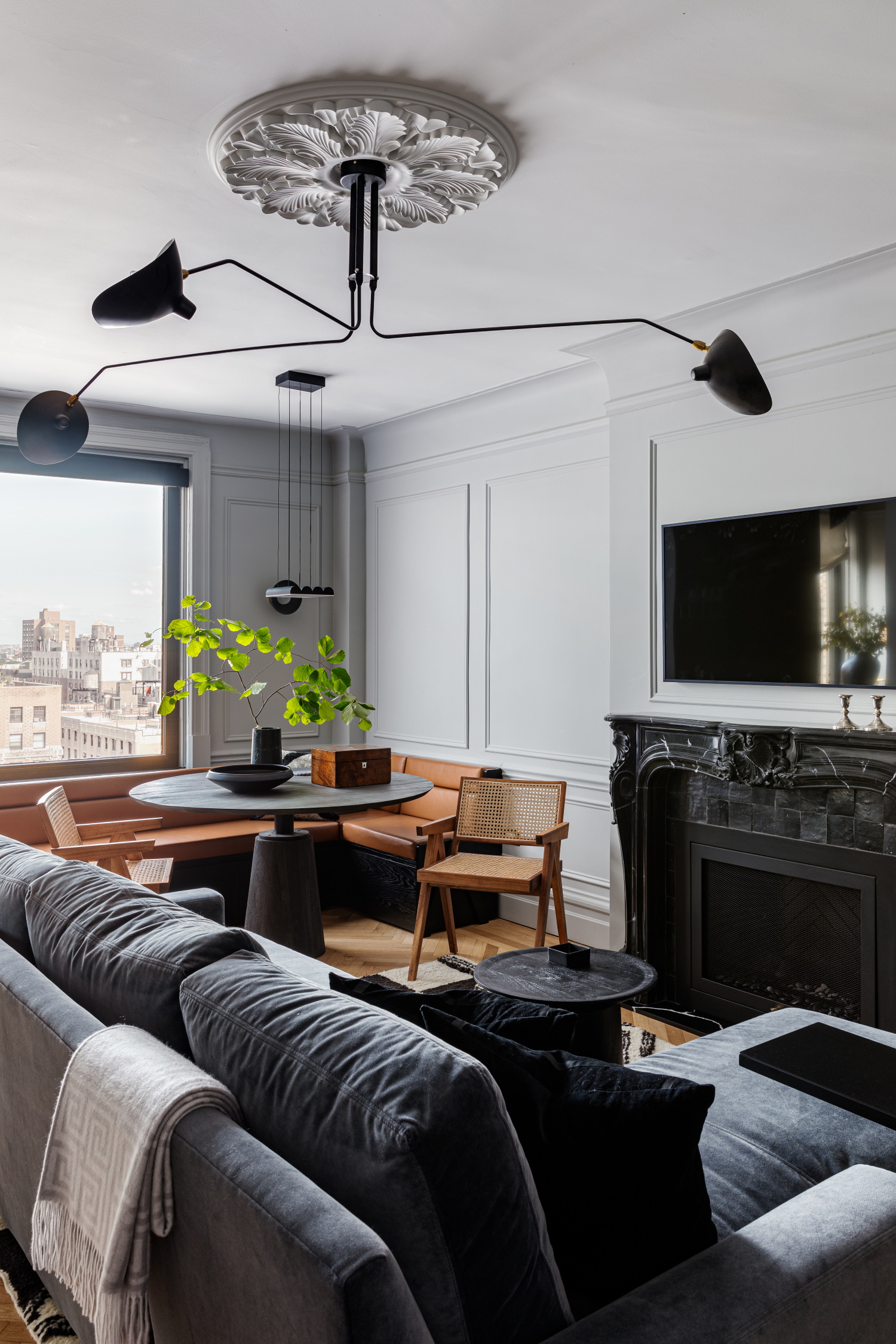
Decorating a small space isn’t always as simple as it sounds. While you may have less square footage to fill, having a limited amount of room also means having to make extra thoughtful decisions when it comes to layout, scale, and furniture. But before you bid farewell to your beloved vintage coffee table or downsize your shoe collection, we’re here to tell you that making a compact space feel layered, functional, and beautiful is possible. In fact, with a few strategic design decisions, you’ll be well on your way to having a room that feels larger than it actually is.
Whether you’re working with an entire home or the “bedroom” in your house that actually has very little space for a bed, we’ve got you covered. We turned to the help of designers in New York—where square footage famously comes at a premium—for their best advice. When every inch counts, these experts know exactly how to make the most of it.
1. Pay attention to scale
When decorating a small space, the last thing you want to do is feel pressured to shrink everything. “Just because it’s a small space doesn’t mean everything needs to be small,” says interior designer Crystal Sinclair. In fact, going small with every piece can have the opposite effect. “People think that because a space is small they have to underscale everything, but it’s counterintuitive,” says interior designer Garrow Kedigian. “For example, using a large carpet or even a wall-to-wall carpet in a small space can make it feel much larger than it is,” he adds. At the same time, it’s important to be intentional with scale. “One of the biggest mistakes people make is choosing furniture that’s too large for the room,” says interior designer Vanessa Deleon. Choose too many oversized pieces, and you could quickly end up with an overwhelmed space. Instead, Sinclair recommends striking a balance. “I like to play with scale—going large on some pieces and small with others,” she says.
2. Create a strong focal point
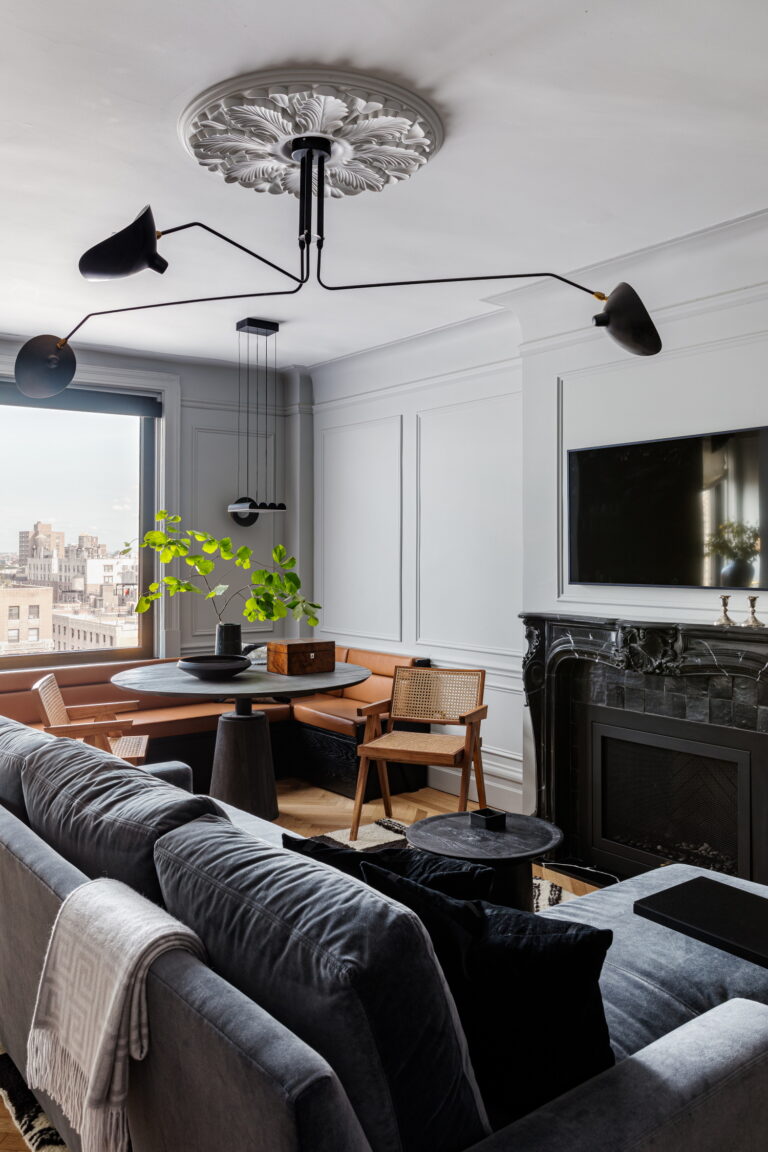
Remember what we said about going big? In a small space, a single statement piece can do a lot of heavy lifting, helping to anchor the room and guide the rest of your design decisions, too. “Create a focal point. Give the eye somewhere to look,” says Sinclair.
While a bold piece of art might be the first idea that comes to mind, a focal point doesn’t have to be purely decorative. A sculptural light fixture, a striking sofa, or another standout piece of furniture can serve the same purpose, giving the eye a clear place to land while helping the room feel more intentional.
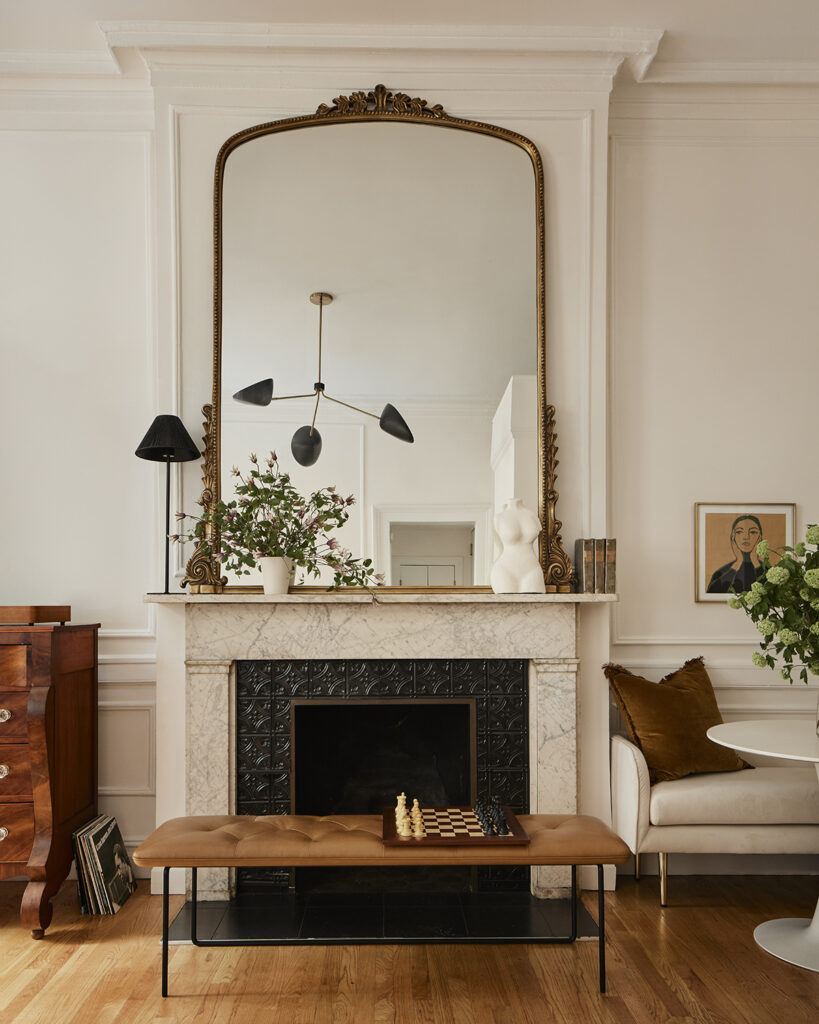
3. Use mirrors to "expand" the room
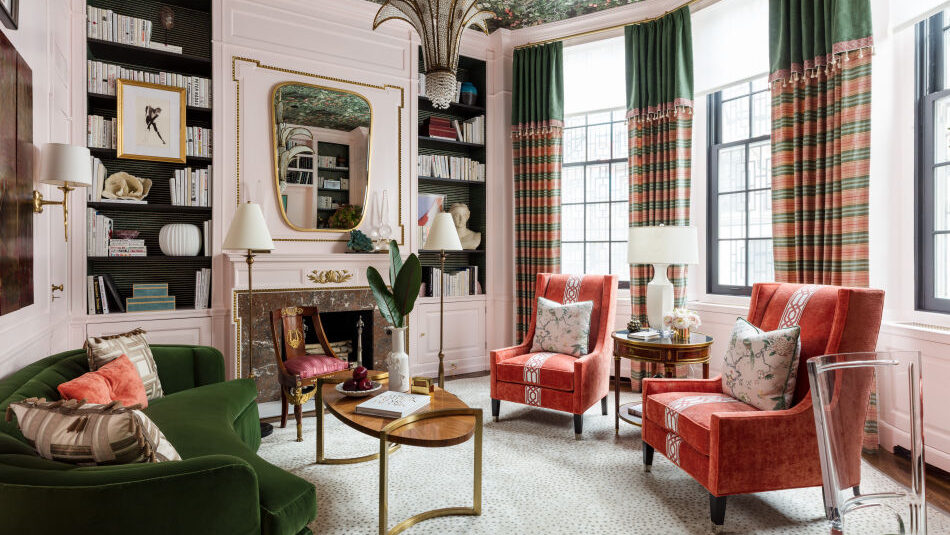
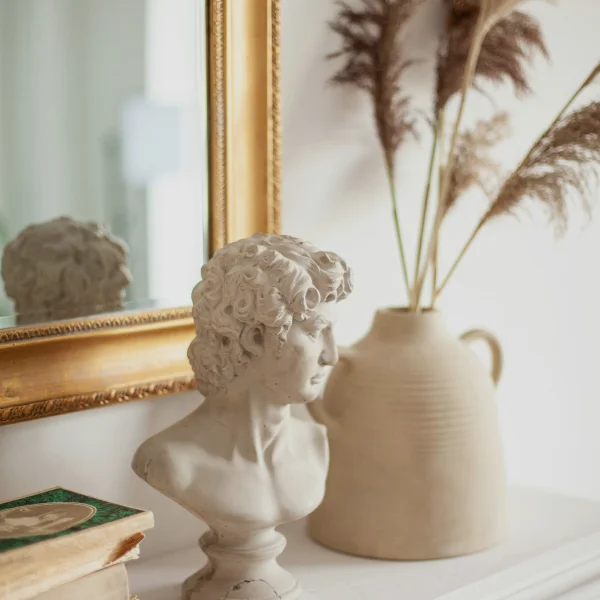
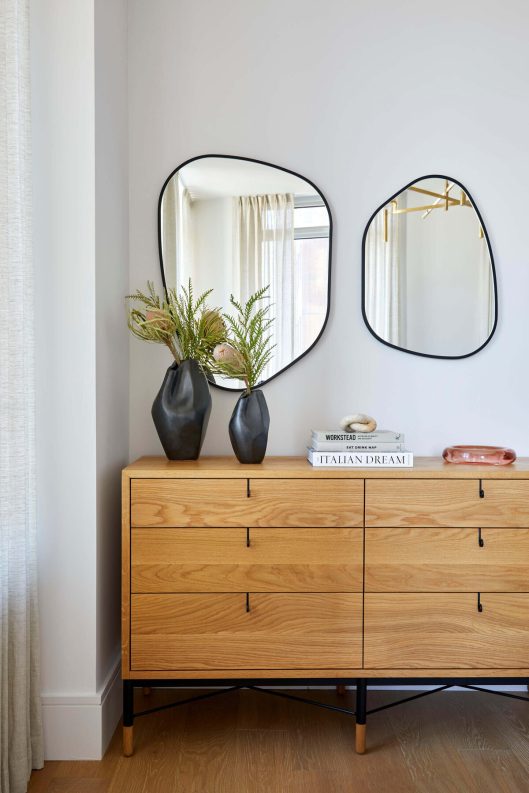
A mirror isn’t just a practical addition to a room—it’s also one of the oldest tricks in the book when it comes to making rooms appear much more spacious than they are. “Mirrors reflect light and create depth, which instantly helps a room feel larger and more open,” Deleon says. “When placed thoughtfully, they can dramatically change the perception of a small space.
According to Kedigian, the key is to be intentional about placement. He often installs large architectural mirrors on side walls so the reflection widens the space rather than reflecting the person entering the room. “Strategically placed mirrors work wonders,” he says.
4. Consider color drenching
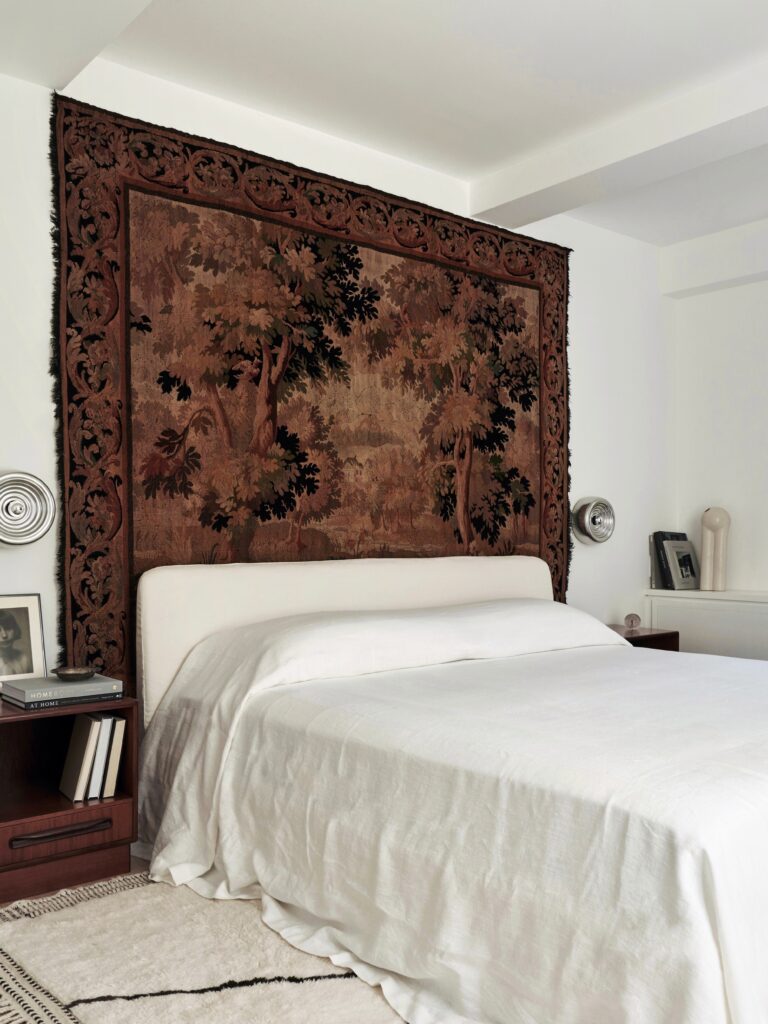
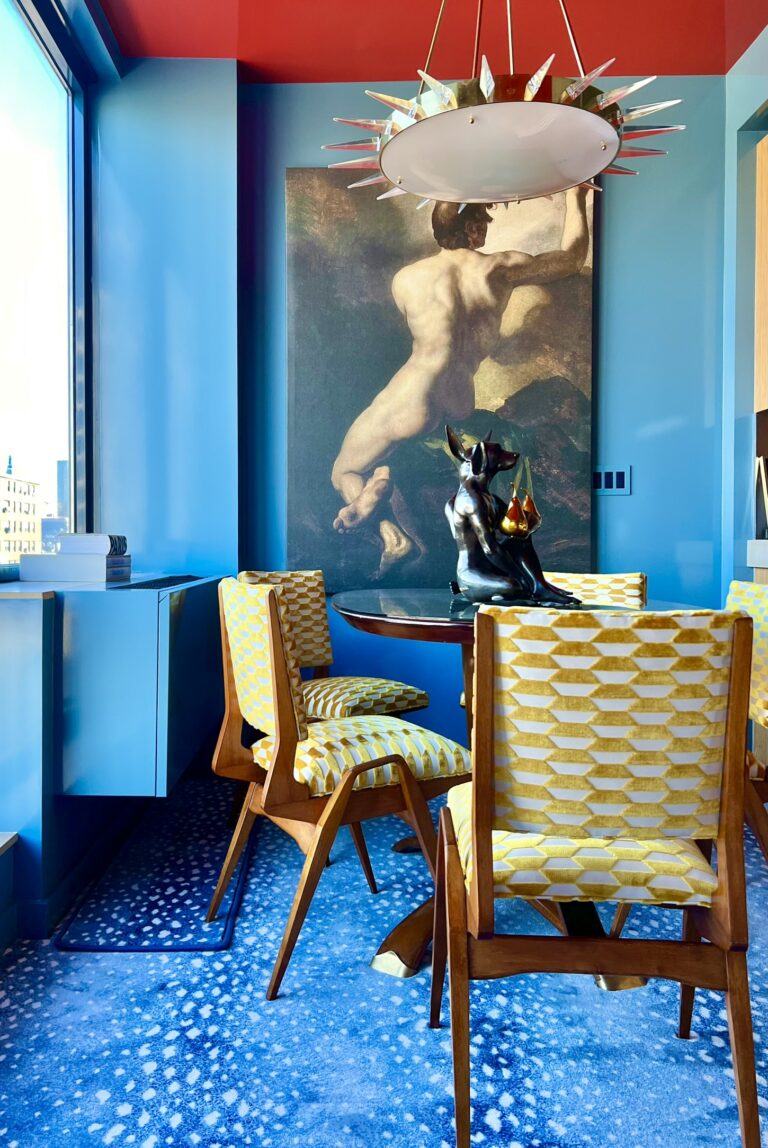
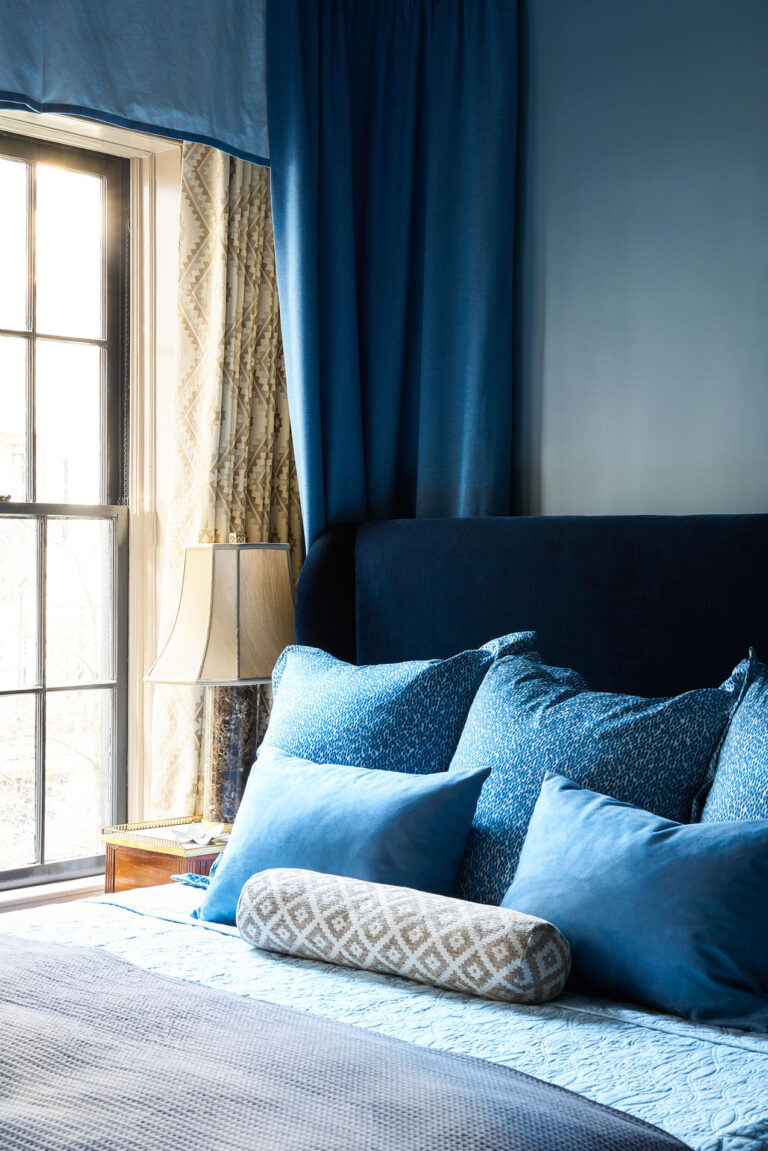
There’s a reason designers often lean into color when decorating a small space. “Color drenching removes visual breaks and creates a more continuous, almost infinite feeling. Instead of visually chopping up the room, it allows the eye to travel more freely, which can make the space feel larger and more cohesive.” says Deleon.
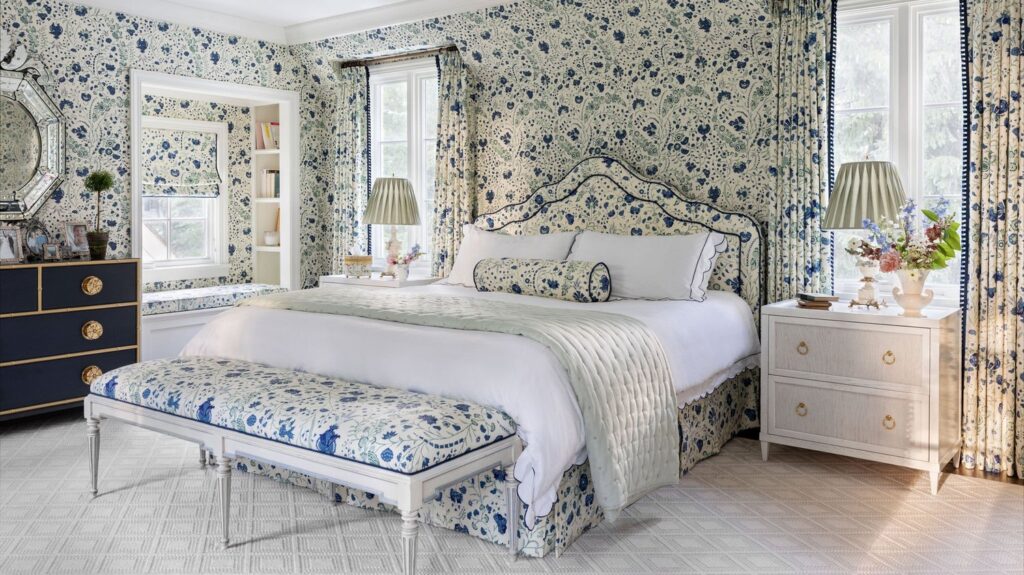
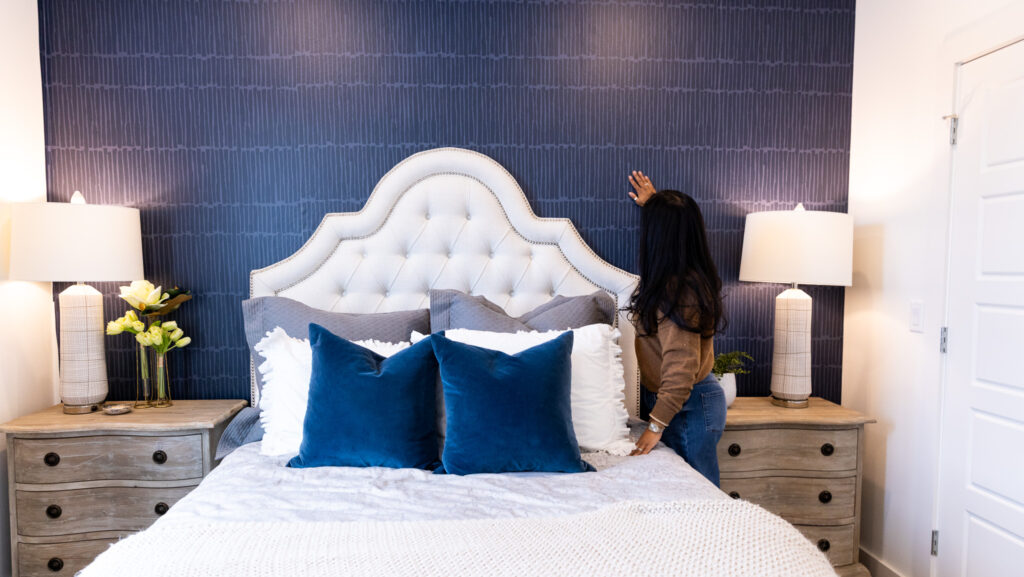
There are plenty of ways to approach color drenching your space. Painting the walls, trim, and even the ceiling in the same tone is a common starting point, but you can also achieve the look through furniture, textiles, and decor. “Small spaces often react well to big and bold design decisions. Don’t be afraid to use a deep, saturated color in a small space—and use it all over to pull the space together,” says Kedigian.
5. Use strategic layout planning
It might sound obvious, but one of the most important steps you can take when decorating a small space is thinking long and hard about your layout. “You can fit a lot more in a space—and not have it feel squeezed in—if everything is placed very strategically,” Sinclair says.
As you decide where each piece should live, don’t be afraid to think outside of the box and choose the less obvious option. A writing desk placed directly behind a sofa can instantly create a functional workspace in your living room, while two small ottomans can slide neatly underneath a console table and be pulled out for extra seating when needed.
At the same time, thoughtful editing is just as important as clever placement. “Small spaces call for tough choices when it comes to what you keep or display,” says interior designer Jean Liu. “Remember to leave negative space so the eye has somewhere to rest.”
6. Choose furniture that works overtime
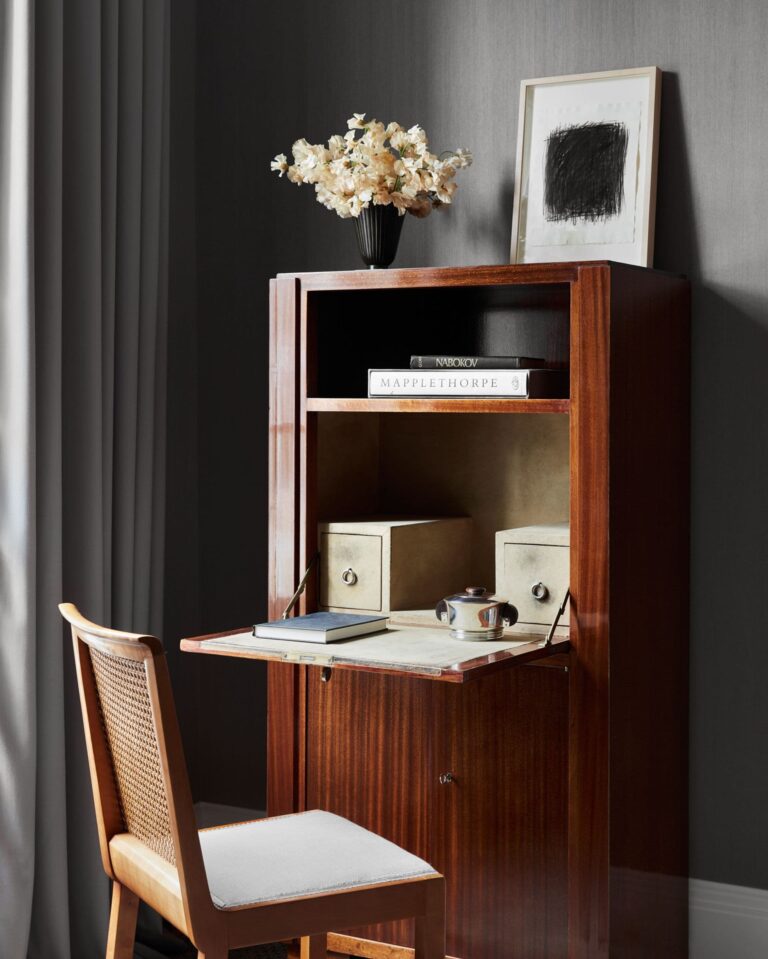
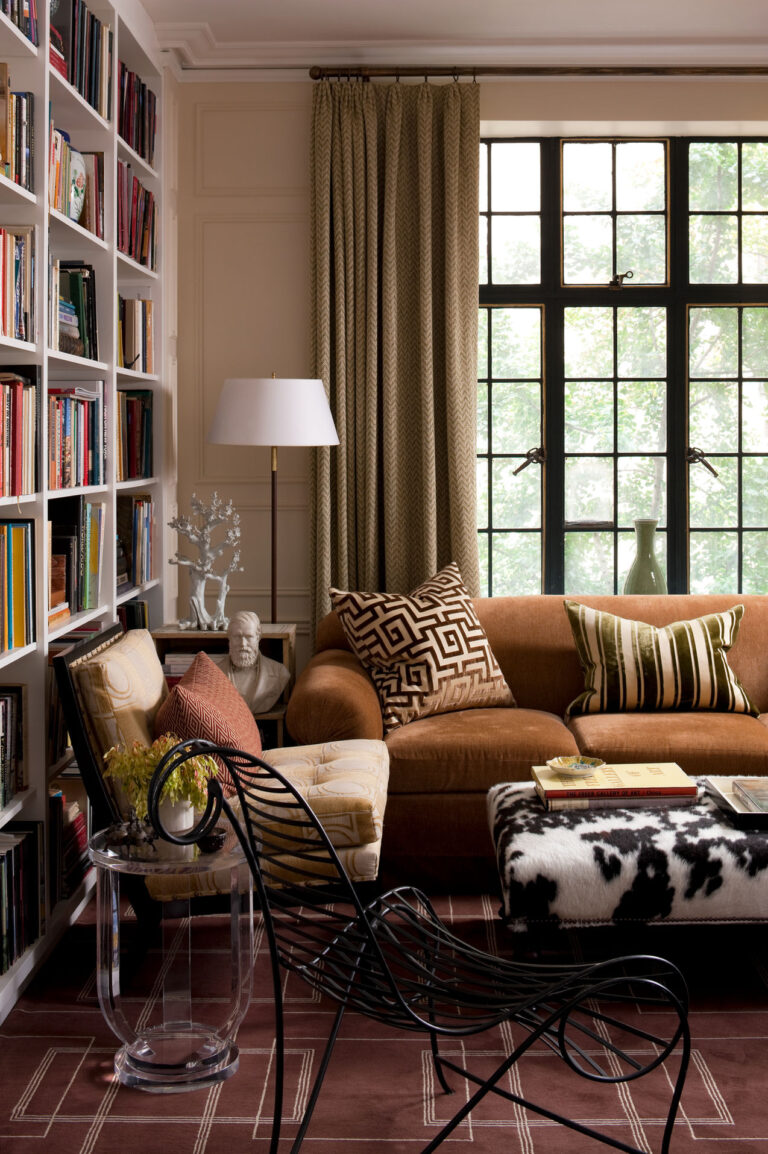
Last but not least, don’t underestimate the power of a multipurpose piece of furniture. In smaller homes, incorporating pieces that pull double duty will have a significant impact. “Something with dual purpose—a console that’s also a desk, for example—can make a big difference in a small space,” says Sinclair. You could opt for seating that doubles as storage—like a lift-top ottoman or bench—choose a daybed that can seat guests by day and sleep them by night, and let poufs or small stools serve as both side tables and extra seating.
Liu, who uses this method in her own home, recommends taking the time to think about how each piece functions throughout the day. “My daybed is also a sofa when guests come over, and my dining room table is for entertaining by night and working by day.” Smaller, movable pieces like drink tables and compact stools can also offer similar flexibility without adding visual bulk.